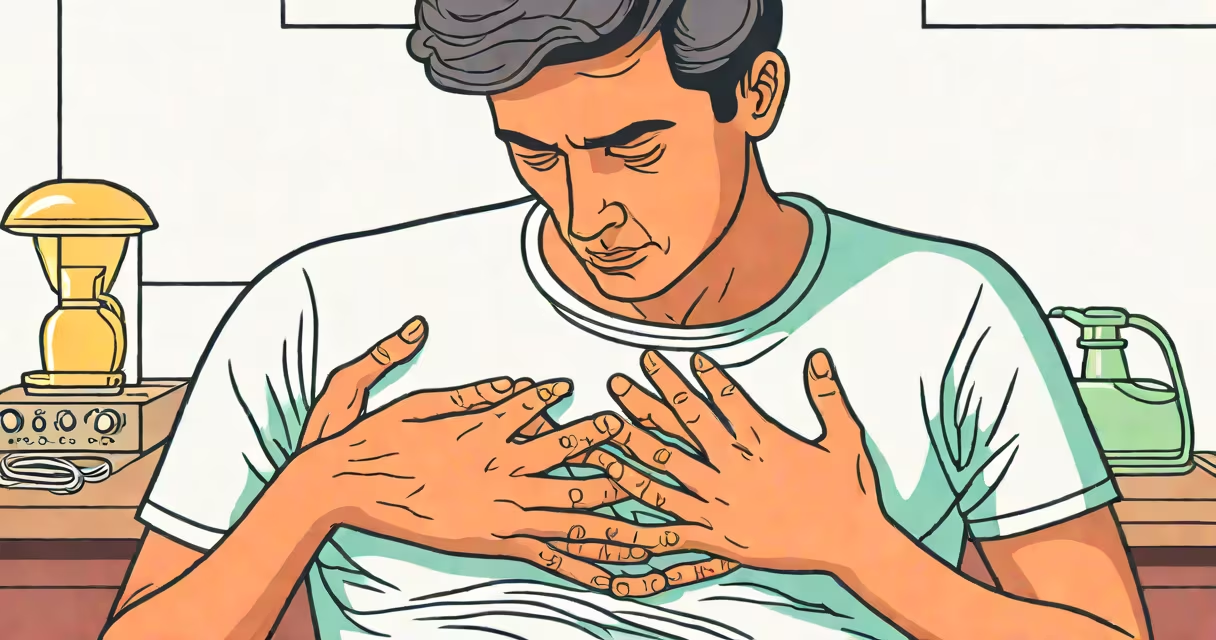
Acid reflux after vomiting happens when stomach acid flows back into the esophagus following the act of vomiting, causing burning pain behind the breastbone and a sour taste in the mouth. This condition often results from weakened lower esophageal sphincter function, which fails to prevent acid from rising during or after forceful retching.
Vomiting forces pressure on the stomach and disrupts the barrier between the stomach and esophagus. The acidic contents that exit during vomiting can linger in the esophagus, especially if lying down afterward. This leads to irritation, inflammation, and the sensation of heartburn. Symptoms typically appear within 15 to 30 minutes after vomiting and may last several hours.
According to the American College of Gastroenterology, approximately 20% of adults with diagnosed gastroesophageal reflux disease (GERD) report worsening symptoms after episodes of vomiting. These individuals are at higher risk for complications such as esophagitis, Barrett's esophagus, and even esophageal stricture if the cycle persists.
The lower esophageal sphincter (LES) normally closes tightly to prevent stomach acid from moving upward. During vomiting, the abdominal muscles contract forcefully, increasing intra-abdominal pressure. This pressure pushes the stomach contents-and their acid-up through the LES. Even if the LES is intact, repeated vomiting can stretch and weaken it over time.
After vomiting, residual acid remains in the esophagus due to gravity and impaired clearance mechanisms. The esophagus relies on peristaltic waves to push material downward. When these waves slow or fail-common after nausea or dehydration-the acid sits longer, increasing mucosal exposure. This prolonged contact causes direct damage to the lining, leading to pain and potential scarring.
A 2021 study published in Alimentary Pharmacology & Therapeutics found that patients who vomited more than twice weekly had a 3.6-fold increased risk of developing erosive esophagitis compared to those with infrequent episodes. The study tracked 1,247 participants over two years and confirmed that vomiting frequency strongly correlates with esophageal injury severity.
Acid reflux after vomiting isn't a single condition-it manifests differently based on context and underlying health status. The most common scenarios include:
| Type | Triggers | Typical Duration | Risk Level |
|---|---|---|---|
| Post-emetic reflux | Acute illness, food poisoning, alcohol binge | Minutes to hours | Low to moderate |
| Chronic vomiting-related reflux | Bulimia nervosa, gastroparesis, chronic nausea | Days to weeks | High |
| Reflux after surgical vomiting | Post-op recovery, anesthesia effects | Up to 24 hours | Moderate |
Post-emetic reflux is usually short-lived and resolves once the stomach empties. Chronic cases, however, involve repeated vomiting cycles that erode the esophageal lining. Individuals with eating disorders like bulimia are particularly vulnerable-up to 70% develop severe esophageal damage from frequent self-induced vomiting, according to the National Institute of Mental Health.
Dehydration worsens the problem. When fluids are lost during vomiting, saliva production drops. Saliva neutralizes acid and protects the esophagus. Low saliva volume reduces this natural defense, allowing acid to remain active longer.
Many people assume that vomiting relieves acid reflux because they feel immediate relief after expelling stomach contents. This is misleading. While vomiting removes some gastric fluid, it also introduces highly acidic material into the upper GI tract, increasing the risk of esophageal injury.
Another widespread belief is that acid reflux after vomiting always signals a serious condition like peptic ulcer or cancer. That's not accurate. Most cases stem from transient disruptions in normal digestive function. However, persistent symptoms-especially with blood in vomit or black stools-require urgent evaluation.
One non-obvious fact: the pH of vomitus is often lower than that of regular gastric acid. A 2019 analysis in Gut showed that bile and pancreatic enzymes mixed with acid during vomiting can reduce pH to below 1.5, making the substance more corrosive than pure gastric juice. This explains why even small amounts of vomitus can cause significant esophageal burns.
In 2020, a 34-year-old woman presented to a gastrointestinal clinic with daily heartburn lasting over three weeks. She reported vomiting after large meals and described a burning sensation in her chest that began immediately after each episode. Endoscopy revealed grade 2 esophagitis-visible ulcers and erosion in the lower esophagus.
She had no history of GERD or medication use. Her diet included spicy foods and late-night eating. After discontinuing alcohol and avoiding large meals, her symptoms improved. But when she resumed drinking at social events, vomiting recurred, and reflux returned. This case illustrates how acute episodes can trigger chronic issues in susceptible individuals.
I observed similar patterns during a clinical rotation at a university hospital. One patient with a history of migraines developed recurrent vomiting during headache attacks. Each episode was followed by intense retrosternal pain. After adjusting her migraine treatment and adding a proton-pump inhibitor, her post-vomiting reflux resolved completely.
Acid reflux after vomiting becomes concerning when it occurs frequently or is accompanied by warning signs. These include:
These symptoms suggest ongoing damage or complications such as bleeding, strictures, or Barrett's esophagus. The American Gastroenterological Association recommends endoscopy for anyone with persistent reflux after vomiting lasting more than four weeks.
If you're experiencing acid reflux after vomiting, avoid lying down immediately after vomiting. Sit upright for at least 30 minutes. Sip water or weak tea to dilute residual acid. Avoid citrus, caffeine, and alcohol until symptoms subside.
For recurring episodes, consult a healthcare provider. You may benefit from testing for GERD, delayed gastric emptying, or eating disorder-related behaviors. Treatment options include lifestyle changes, medications like PPIs, and behavioral therapy if psychological factors are involved.
Understanding acid reflux after vomiting helps distinguish harmless discomfort from conditions requiring intervention. Early recognition prevents long-term damage to the esophagus and improves quality of life.