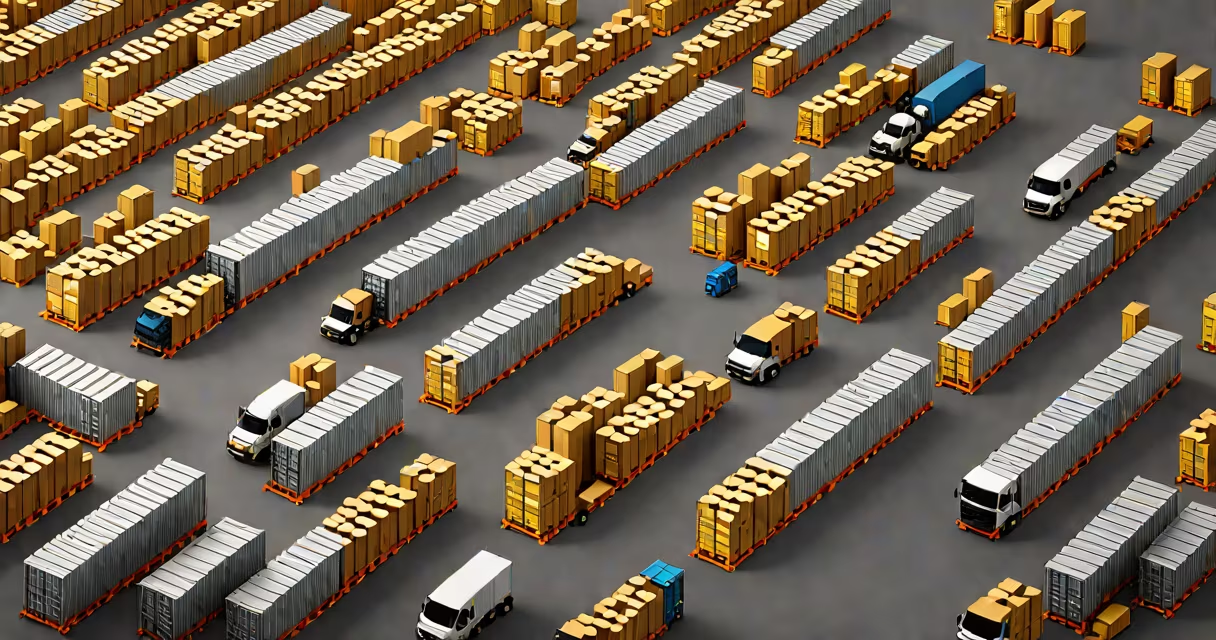
b2b ecommerce companies are digital platforms that help large-scale commercial transactions between businesses rather than between businesses and individual consumers. These entities enable manufacturers, distributors, and wholesalers to sell products in bulk via secure, automated online systems, streamlining procurement, inventory management, and fulfillment.
Unlike consumer-focused online stores, b2b ecommerce companies handle complex workflows such as volume pricing, contract-based ordering, recurring purchases, and enterprise account access. They integrate with ERP and accounting software, support custom product configurations, and manage multi-tiered supply chains across regions.
According to Statista, global B2B ecommerce sales reached $16.9 trillion in 2023 and are projected to grow to $23.3 trillion by 2027. This growth reflects the shift from traditional sales methods to digital-first models that reduce transaction time and improve accuracy in order processing.
These platforms operate on a model where businesses create accounts, set up purchasing agreements, and place orders based on negotiated prices. Orders are processed automatically, often with approval workflows for high-value or sensitive purchases.
Behind the scenes, b2b ecommerce companies rely on APIs to sync with internal systems. For example, a manufacturer using SAP S/4HANA can connect directly to a B2B marketplace like Alibaba.com or Amazon Business. When a distributor places an order, the system checks inventory levels, applies discount tiers, and triggers shipping logistics.
A real-world example: A U.S.-based electronics supplier uses a b2b ecommerce platform to serve 1,200 retailers across North America. The platform automatically adjusts pricing based on order volume-$12.50 per unit for 1-99 units, $9.80 for 100-499, and $7.20 for 500+. The system tracks purchase history, flags anomalies, and sends automated invoices via email and integrated accounting tools.
Not all b2b platforms serve the same function. They fall into distinct categories based on structure and focus:
| Type | Function | Examples | Use Case |
|---|---|---|---|
| Marketplaces | Host multiple suppliers and buyers in one system | Alibaba.com, Amazon Business, ThomasNet | Procurement teams sourcing from thousands of vendors |
| Distributor Platforms | Direct sales from manufacturer to reseller | Fastenal's online portal, Grainger.com | Industrial suppliers selling to contractors and maintenance departments |
| Private Label Platforms | Custom branding and exclusive product lines | Shopify Plus for B2B, Magento Commerce B2B | Brands creating tailored storefronts for enterprise clients |
| Vertical Industry Platforms | Niche markets with specialized requirements | Procore (construction), Zoho One (SaaS services) | Industries requiring compliance, certifications, or technical specs |
One key distinction often missed: not all b2b platforms are created equal. Marketplaces like Alibaba offer broad selection but limited control over quality and delivery timelines. Private label platforms give full customization but require significant setup effort. Choosing the right type depends on volume, product complexity, and service expectations.
Manufacturers, wholesalers, and service providers use b2b ecommerce companies to reduce reliance on field sales teams, cut administrative overhead, and accelerate order cycles. A 2022 McKinsey report found that companies using digital procurement tools reduced sourcing costs by 15% and improved supplier performance tracking by 40%.
For example, a mid-sized packaging company in Ohio switched from paper-based quoting and manual order entry to a cloud-based b2b platform. Within six months, their average order cycle dropped from 14 days to 3.7 days. Their sales team reported a 22% increase in cross-selling success due to embedded product recommendations and real-time stock visibility.
These platforms also support international trade. A German automotive parts supplier uses a B2B platform to manage orders from auto repair shops in Brazil and Japan. The system handles currency conversion, local tax rules, and customs documentation automatically-reducing errors and shipment delays.
Many assume b2b ecommerce companies are only for large enterprises. In reality, small and medium-sized businesses (SMBs) increasingly adopt them. According to the National Small Business Association, 68% of SMBs with annual revenue under $10 million used a B2B platform in 2023.
Another error: confusing b2b ecommerce with B2C platforms. While both use websites and payment gateways, B2B systems prioritize account-based access, tiered pricing, and long-term contracts. A B2C site might show "$19.99" for a single item. A B2B site shows "$14.50/unit for 500+ units" and requires login to view pricing.
Also, many think integration is optional. But smooth connection to existing systems is essential. A study by Gartner found that 60% of failed B2B implementations stemmed from poor API compatibility with legacy ERP systems. Without proper integration, data silos form, and order errors rise.
I once helped a regional HVAC supplier migrate from a spreadsheet-driven ordering system to a B2B platform. The old method involved emailing PDF catalogs, manually calculating discounts, and chasing approvals. After switching, we reduced order processing time by 70%. One sales rep told me, "I used to spend 12 hours a week on admin tasks. Now I spend less than 3."
Understanding b2b ecommerce companies begins with recognizing they serve business-to-business transactions at scale. They differ from consumer platforms in functionality, security, and workflow design. Choosing the right type-marketplace, distributor, private label, or vertical-depends on operational needs and growth goals.
When evaluating a provider, assess integration capabilities, support for volume discounts, and reporting features. Avoid platforms that lack audit trails or fail to support multi-currency and tax compliance. Always test with real orders before full rollout.
As digital infrastructure matures, even niche industries like industrial chemicals and construction materials are adopting B2B ecommerce models. Companies listed on the Bombay Stock Exchange (BSE) such as Larsen & Toubro and Tata Consultancy Services have launched dedicated B2B portals to simplify procurement and improve customer engagement.
B2b ecommerce companies are not just online stores-they are strategic tools for scaling operations, improving margins, and enabling global reach. Their impact extends beyond sales; they reshape how businesses interact, plan, and grow.