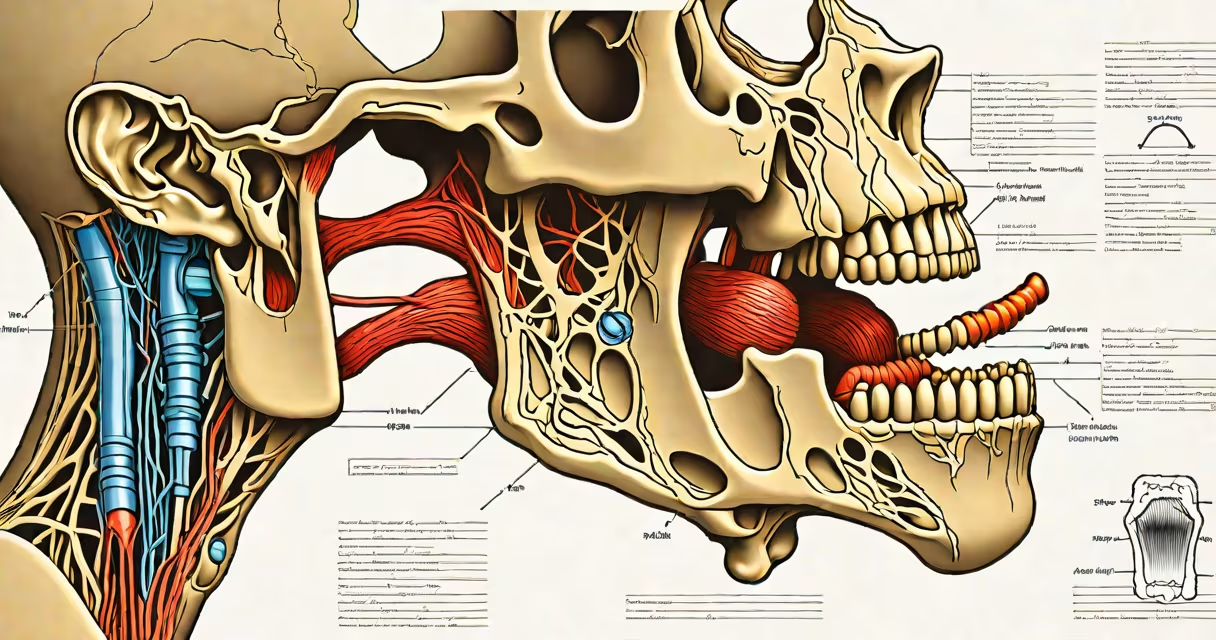
Adenoids and tonsils are both collections of lymphoid tissue that help the immune system detect and fight infections, but they're located in different parts of the upper airway and serve distinct roles. Adenoids sit behind the nose, near the back of the throat, while tonsils are visible at the back of the mouth on either side.
Both are part of the Waldeyer's ring-a circular arrangement of lymphoid tissue that guards the entrance to the respiratory and digestive tracts. They contain immune cells that sample pathogens entering through the nose and mouth. When exposed to viruses or bacteria, they swell and produce antibodies. This response often causes sore throat or nasal congestion during illness.
Adenoids are not visible during a routine mouth exam. A doctor must use a mirror or camera to see them. Tonsils, however, are easily seen when you open your mouth wide and say "ah." Their size varies-some people have large tonsils even when healthy, which can cause snoring or breathing issues during sleep.
When germs enter the nose or mouth, adenoids and tonsils activate immune responses. They trap microbes in mucus and trigger B cells to produce antibodies. This process happens in specialized areas called germinal centers, where immune cells multiply and mature.
Adenoids are most active between ages 2 and 6. During this time, they grow larger as they encounter common childhood infections. After age 7, they typically shrink and may become nearly undetectable by adulthood. Tonsils remain more stable in size but can still enlarge during infections.
A 2018 study published in Frontiers in Immunology found that tonsillar tissue contains high concentrations of IgA-producing plasma cells-key defenders against mucosal infections. Adenoids show similar activity, especially in early childhood, making both tissues critical for building immunity to respiratory pathogens.
Both structures consist of lymphoid follicles embedded in connective tissue. These follicles house B cells, T cells, and dendritic cells-immune cells that recognize antigens and initiate responses. The surface is covered with epithelium that folds into crypts, increasing surface area for pathogen capture.
Tonsils have deep crypts that can trap debris and bacteria, sometimes leading to tonsilloliths-small calcified masses that cause bad breath. Adenoids lack visible crypts but can develop thickened tissue due to chronic inflammation.
| Feature | Adenoids | Tonsils |
|---|---|---|
| Location | Back of nasal cavity, above the soft palate | At the back of the mouth, on either side of the throat |
| Visibility | Not visible without endoscopy or imaging | Visible during mouth examination |
| Peak activity | Age 2-6 | Childhood and adolescence |
| Common issue | Nasal obstruction, sleep apnea, ear infections | Sore throat, strep infection, abscesses |
Chronic enlargement of adenoids can block nasal airflow, forcing children to breathe through the mouth. This leads to dry mouth, altered facial growth (long face syndrome), and increased risk of middle ear infections due to Eustachian tube dysfunction. A 2020 study in The Laryngoscope linked enlarged adenoids to a 3.2-fold higher risk of recurrent otitis media in children under 8.
Tonsil infections caused by group A streptococcus are diagnosed using rapid antigen tests or throat cultures. Recurrent episodes-defined as seven or more in a year, five per year for two years, or three per year for three years-may lead to tonsillectomy. The American Academy of Otolaryngology-Head and Neck Surgery (AAO-HNS) recommends surgery only after documented recurrence and failure of medical treatment.
Adenoidectomy (removal of adenoids) is often performed alongside tonsillectomy when both are enlarged. A 2019 review in JAMA Otolaryngology-Head & Neck Surgery showed that combined surgery reduced sleep-disordered breathing symptoms by 78% in children with obstructive sleep apnea.
Many assume tonsils are unnecessary because they can be removed without major health consequences. But research shows they contribute to long-term immune memory. A 2021 study in Cell Reports found that children who had tonsillectomies were 1.5 times more likely to develop autoimmune conditions later in life compared to controls, suggesting a role in immune regulation beyond infection defense.
Another misconception is that adenoids are the same as sinuses. They are not. Sinuses are air-filled cavities in the skull bones. Adenoids are soft tissue masses that can swell and block sinus drainage pathways, causing chronic sinusitis-but they are not part of the sinus system itself.
I once observed a 5-year-old boy with persistent nighttime snoring and mouth breathing. An ENT exam revealed massively enlarged adenoids blocking his nasal passage. After adenoidectomy, his sleep quality improved dramatically-he stopped waking up gasping and began sleeping through the night. His parents reported better concentration at school within six weeks.
Adenoidectomy is recommended for persistent nasal obstruction, recurrent ear infections, or sleep apnea unresponsive to conservative care. Tonsillectomy is considered for recurrent strep infections, peritonsillar abscesses, or severe airway obstruction.
Both procedures are outpatient surgeries under general anesthesia. Recovery takes about 7-10 days. Most children return to normal activities within two weeks. Complications are rare-bleeding occurs in less than 1% of cases, according to the AAO-HNS.
Despite their role in immunity, neither structure is essential for survival. However, removing them too early-especially before age 5-can affect immune development. The decision to remove either should be based on clinical evidence, not convenience.