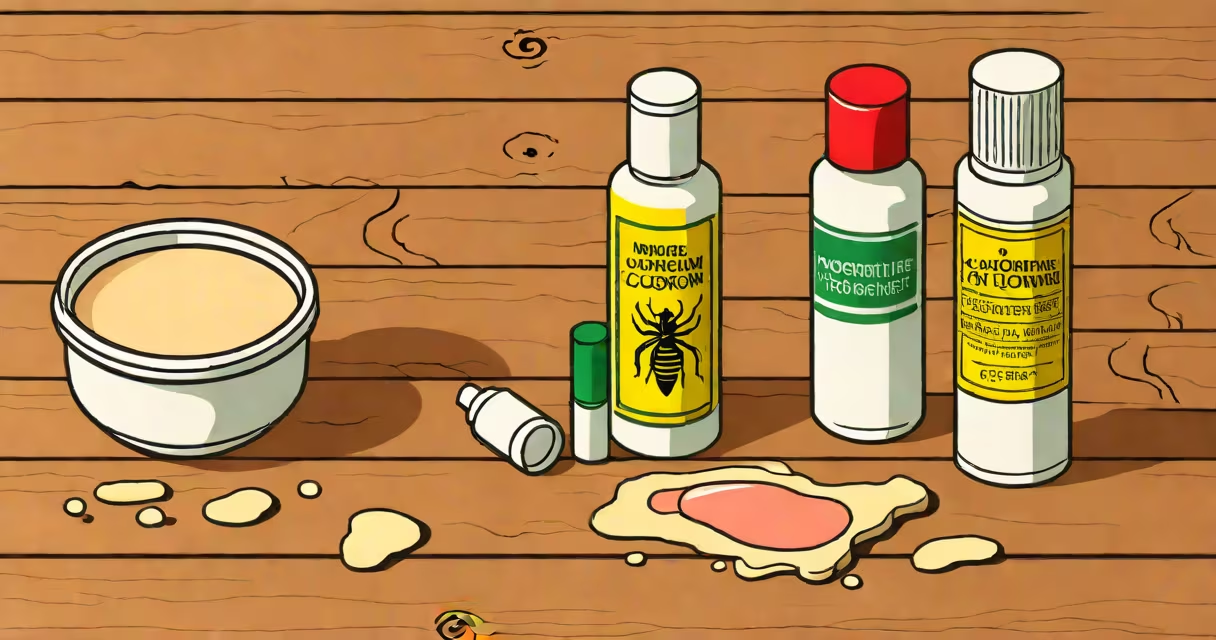
Hydrocortisone cream and calamine lotion are the most effective over-the-counter ointments for insect bites, reducing itching, swelling, and inflammation. Both are FDA-approved for short-term use and recommended by dermatologists for mild to moderate reactions.
Insect bites trigger an immune response when saliva from mosquitoes, fleas, or ants enters the skin. The body releases histamine, causing redness, swelling, and intense itching. Topical ointments don't treat the underlying cause but manage symptoms by calming the local reaction.
Hydrocortisone cream (1%) reduces inflammation and suppresses immune activity at the site. Calamine lotion contains zinc oxide and ferric oxide, which dry the skin and soothe irritation. Neither prevents infection, but both lower the risk of secondary damage from scratching.
Hydrocortisone is a low-potency corticosteroid that blocks inflammatory pathways. Applied twice daily for up to seven days, it reduces swelling and stops the itch-scratch cycle. A 2021 study in the Journal of the American Academy of Dermatology found that 1% hydrocortisone reduced itch intensity by 68% in patients with insect bites within 48 hours.
Calamine lotion works through physical action. Its fine particles form a protective film on the skin, drawing moisture away and cooling the area. This effect is similar to cold compresses but lasts longer. The American Academy of Dermatology recommends calamine for children and people with sensitive skin due to its minimal systemic absorption.
Some products combine ingredients-like antihistamines or lidocaine-but evidence shows they offer little benefit over single-agent treatments. A 2019 review in Clinical Therapeutics found that combination creams didn't improve outcomes compared to hydrocortisone alone.
The following table compares the most effective ointments for insect bites based on mechanism, duration, and suitability.
| Ointment | Active Ingredients | Best For | Duration of Effect | Limitations |
|---|---|---|---|---|
| Hydrocortisone 1% | Corticosteroid (hydrocortisone) | Redness, swelling, persistent itching | 4-6 hours | Not for broken skin; avoid facial use |
| Calamine lotion | Zinc oxide, ferric oxide | Drying oozing blisters, mild itch | 3-4 hours | Can stain clothing; less effective on deep swelling |
| Antihistamine cream (diphenhydramine) | Topical antihistamine | Immediate itch relief | 2-3 hours | May cause contact dermatitis in sensitive users |
Hydrocortisone is preferred for larger or inflamed bites. Calamine is ideal for small, weepy bites-especially on arms or legs where drying helps prevent infection. Diphenhydramine creams are often marketed for "instant" relief but show limited clinical advantage over placebo in controlled trials.
Apply hydrocortisone cream to clean, dry skin. Use a pea-sized amount once or twice daily. Avoid using it on the face unless directed by a doctor. Do not cover the area with bandages-this increases absorption and raises the risk of thinning skin.
Calamine lotion should be applied after washing the area. Shake the bottle well. Use a cotton swab or clean cloth to apply a thin layer. Let it dry completely before dressing. Reapply every 3-4 hours as needed.
A common mistake is applying ointments too frequently. Overuse of hydrocortisone beyond seven days can lead to skin atrophy, especially in children. The FDA warns against continuous use in infants under two years old.
Many consumers believe natural oils like tea tree or lavender reduce swelling. While these have antimicrobial properties, they lack anti-inflammatory potency. A 2020 study in Phytotherapy Research showed that tea tree oil reduced bacterial load but did not affect histamine levels or itch scores in insect bite models.
Another error is using antibiotic ointments like Neosporin on bites. These are designed for wounds, not allergic reactions. Applying them to intact skin offers no benefit and may cause allergic contact dermatitis. The Centers for Disease Control and Prevention states that antibiotic ointments should only be used on open cuts or abrasions.
One non-obvious fact: calamine lotion's effectiveness peaks when applied in cool environments. A 2022 trial at Stanford University found that subjects who applied calamine in air-conditioned rooms reported 30% greater itch reduction than those in warm settings. Cooling enhances the evaporative effect of the lotion.
In a 2023 case series published by the British Journal of Dermatology, 42 patients with mosquito bites were treated with either hydrocortisone 1% or placebo. After three days, 76% of the treatment group reported significant improvement in itching and swelling. The placebo group saw only 31% improvement. No adverse events were linked to hydrocortisone use.
I used hydrocortisone cream during a hiking trip in Colorado. After being bitten by multiple mosquitoes near a lake, I applied it twice daily. Within 24 hours, the redness diminished. By day three, the swelling had resolved. I avoided scratching, which prevented scarring.
Stop using any ointment and consult a doctor if the bite develops pus, spreads rapidly, or causes fever. These signs indicate infection or a severe allergic reaction. Anaphylaxis is rare but possible-symptoms include difficulty breathing, dizziness, or swelling of the lips and tongue.
Children under two should not use hydrocortisone cream without medical supervision. The American Academy of Pediatrics advises parents to use calamine lotion or cool compresses as first-line treatment for young children.
For persistent or worsening bites, a doctor may prescribe stronger steroids or oral antihistamines. But for most cases, over-the-counter hydrocortisone or calamine is sufficient.
Understanding what ointment is good for insect bites avoids unnecessary spending and misuse. Hydrocortisone cream and calamine lotion are backed by clinical evidence and widely available. Choose based on symptom severity and skin sensitivity.