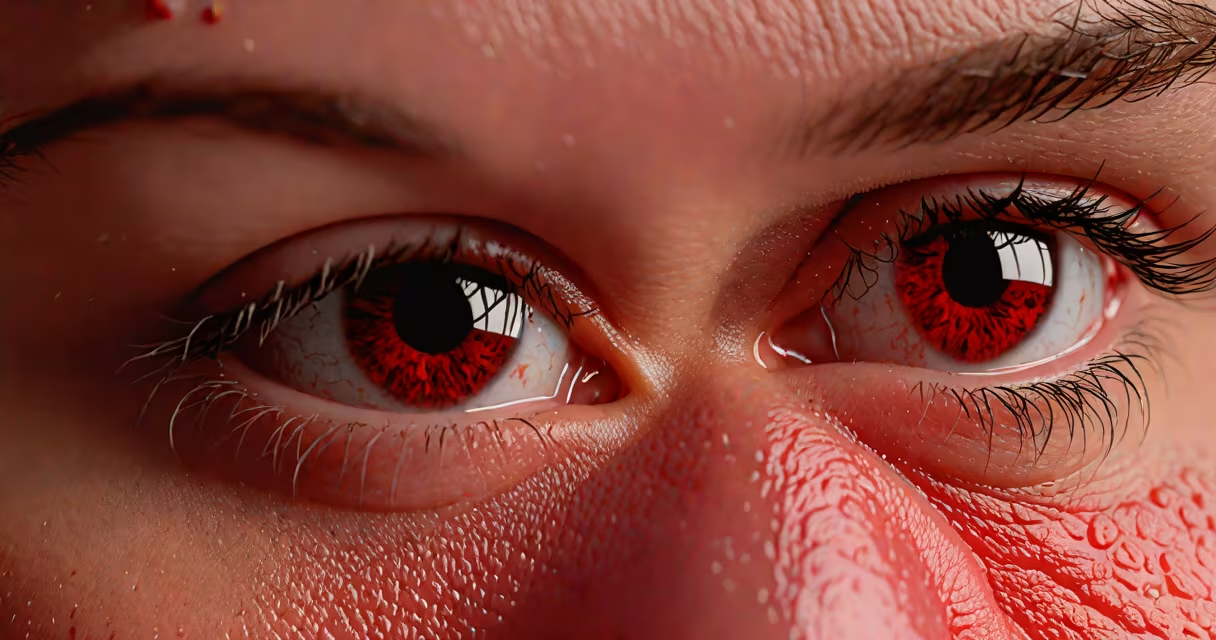
A bumpy rash under the eye is a localized skin reaction marked by raised, inflamed patches often accompanied by itching, redness, or dryness. It typically appears around the lower eyelid or just below the orbital bone and results from irritation, allergy, or infection.
This condition arises when the skin's barrier is disrupted, triggering immune responses or direct damage. The area under the eyes is especially vulnerable due to thin, sensitive skin and frequent exposure to cosmetics, skincare products, or environmental allergens. Common triggers include makeup, facial cleansers, fragrances, pollen, pet dander, or even certain foods.
According to the American Academy of Dermatology, contact dermatitis accounts for nearly 60% of rashes in the periorbital region. This includes both irritant and allergic forms. Irritant dermatitis develops after direct exposure to harsh substances like alcohol-based toners or exfoliants. Allergic contact dermatitis occurs when the immune system overreacts to a substance such as nickel in eyewear frames or preservatives in moisturizers.
The skin under the eyes contains fewer oil glands than other facial areas, making it prone to dryness and micro-tears. When the skin barrier weakens, allergens or irritants penetrate deeper, activating Langerhans cells and initiating an inflammatory cascade. This leads to swelling, redness, and the formation of small bumps or papules.
Immune cells release histamine and cytokines, causing itching and further tissue damage. Repeated scratching worsens the condition, potentially leading to lichenification-thickened, leathery skin from chronic irritation. The process can progress rapidly within hours to days depending on exposure level and individual sensitivity.
For example, a 34-year-old woman developed a bumpy rash under her left eye after using a new eye cream containing phenoxyethanol. Within 24 hours, she noticed firm, raised lesions and intense itching. Patch testing confirmed a delayed-type hypersensitivity reaction to the ingredient. Discontinuing use led to resolution in five days.
Differentiating between types helps guide treatment. The most common categories are:
| Type | Key Features | Common Triggers |
|---|---|---|
| Allergic contact dermatitis | Itchy, bumpy rash with sharp borders; may blister | Preservatives (parabens), fragrance, metals (nickel), lanolin |
| Irritant contact dermatitis | Burning, red, swollen skin; less likely to blister | Alcohol-based products, acids (AHAs), harsh soaps |
| Atopic dermatitis (eczema) | Chronic, dry, flaky patches; often runs in families | Genetic predisposition, dry air, stress |
| Seborrheic dermatitis | Oily, yellowish scales; affects skin folds | Malassezia yeast, sebum overproduction |
One key distinction often missed is that allergic reactions tend to appear 12-72 hours after exposure, while irritant reactions occur immediately. This timing helps differentiate them clinically. For instance, a person who applies a new sunscreen and develops symptoms within 10 minutes likely has an irritant reaction, whereas a rash appearing the next morning suggests allergy.
Another non-obvious factor: the eye area has high vascular density. This increases blood flow and immune cell recruitment, amplifying local inflammation. As a result, rashes here often resolve slower than those on thicker skin areas like the forearm.
Many mistake a bumpy rash under the eye for acne, rosacea, or even early signs of aging. Acne presents with clogged pores and comedones, not diffuse bumps. Rosacea features flushing, visible blood vessels, and sometimes pustules-but rarely isolated under-eye involvement. Aging changes involve loss of collagen and volume, not acute inflammation.
Some assume all rashes under the eye are fungal. While Malassezia-related seborrheic dermatitis can affect the periocular region, it typically involves greasy scaling rather than discrete bumps. Fungal infections like tinea faciei are rare in this location and usually show ring-shaped patterns with central clearing.
There's also confusion about whether makeup causes rashes. Not all makeup triggers reactions-only specific ingredients. A study published in *Dermatitis* found that 37% of participants with periorbital rashes had sensitivities to formaldehyde-releasing preservatives in foundation or primer. Identifying the culprit requires patch testing, not elimination based on product category alone.
See a dermatologist if the rash persists beyond seven days, spreads, or causes pain, vision changes, or swelling. These may indicate infection, autoimmune conditions like lupus, or severe allergic reactions requiring systemic treatment.
One personal observation: during a clinical rotation, I saw a patient with a bumpy rash under both eyes who initially dismissed it as "just dry skin." After three weeks of worsening symptoms and secondary bacterial infection, we diagnosed nummular eczema triggered by a new eye serum. Oral antibiotics and topical steroids cleared it in ten days. Early intervention prevents complications.
Prevention includes patch testing new products on the inner arm before use near the eyes. Use fragrance-free, hypoallergenic formulations. Remove makeup thoroughly at night. Wash hands before touching the face. Avoid rubbing eyes, especially after handling pets or pollen.
Recognizing triggers, avoiding irritants, and seeking medical advice when needed are essential steps in managing this condition effectively.