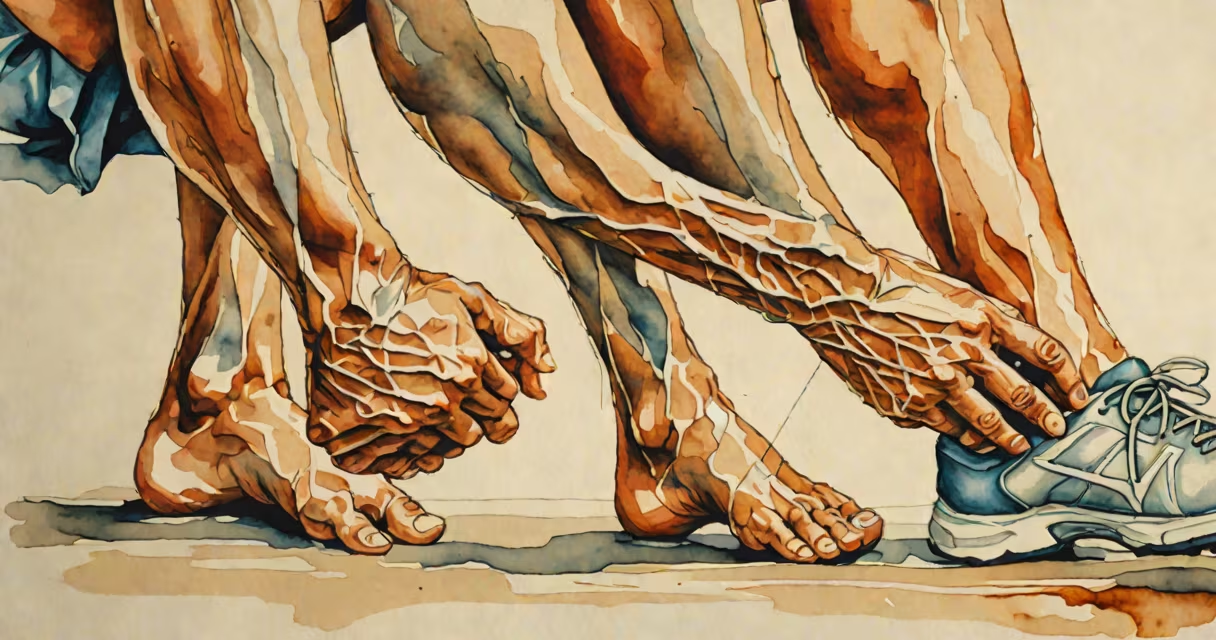
A muscle cramp cannot directly cause a full muscle tear, but severe or prolonged cramping may lead to microtears or strain injuries, especially during high-intensity activity. Cramps are involuntary contractions that typically resolve within minutes and do not rupture muscle fibers. However, sustained force from a cramp during exertion can stress muscle tissue beyond its capacity, resulting in minor structural damage.
Cramps occur when motor neurons fire excessively, causing muscles to contract without relaxation. This happens most often during dehydration, electrolyte imbalance, or fatigue. The contraction itself is brief and localized, usually lasting 10 to 60 seconds. While the pain can be intense, the mechanical force generated is generally insufficient to tear muscle tissue.
According to the American Council on Exercise (ACE), muscle cramps are not linked to major injuries like strains or tears in healthy individuals. However, research published in Frontiers in Physiology notes that repeated or forceful cramping under load-such as sprinting while cramping-can increase the risk of microtrauma. This is rare but possible in athletes pushing extreme limits.
Cramps involve abnormal nerve signaling, not structural failure. A muscle tear results from mechanical overload-such as sudden stretching or heavy lifting-that exceeds the tensile strength of muscle fibers. Tears are classified by severity: Grade 1 (mild strain), Grade 2 (partial tear), and Grade 3 (complete rupture).
For example, a runner experiencing a calf cramp during a race may stop abruptly due to pain. If they continue running despite the cramp, the muscle may be overstretched or strained, leading to a Grade 1 tear. The cramp was not the direct cause, but the combination of cramping and continued activity created the injury.
One key distinction: cramps are painful but reversible with stretching and hydration. Muscle tears require rest, ice, compression, elevation (RICE), and sometimes medical evaluation. A Grade 1 tear may feel similar to a severe cramp initially, but pain worsens with movement and persists beyond 24 hours.
Cramping becomes a red flag when it occurs repeatedly during training or competition. Athletes who experience frequent cramps may have underlying issues such as low sodium, potassium, or magnesium levels, or neuromuscular fatigue. These conditions reduce the threshold for both cramping and muscle strain.
A 2020 study in Journal of Sports Sciences analyzed 120 endurance athletes and found that those with a history of cramps were 2.3 times more likely to report muscle strains over the following season. The researchers concluded that cramping may serve as an early warning sign of neuromuscular fatigue, which increases injury susceptibility.
Consider a weightlifter performing squats. If a cramp strikes mid-repetition, the sudden contraction can disrupt form. The hip flexors and quadriceps may compensate abnormally, placing uneven stress on the knee joint and surrounding muscles. Over time, this misalignment can lead to overuse injuries-even if the cramp itself didn't tear the muscle.
The table below outlines key differences between cramps and muscle tears:
| Feature | Cramp | Partial Muscle Tear |
|---|---|---|
| Onset | Sudden, lasts seconds to minutes | Gradual or immediate, persists beyond 24 hours |
| Pain location | Localized, sharp, often in a single muscle group | Deep, aching, may radiate |
| Movement impact | Pain resolves with stretching | Pain worsens with movement; weakness may occur |
| Recovery time | Seconds to minutes | Days to weeks, depending on grade |
Cramps are common during exercise, affecting up to 60% of adults at some point. Muscle tears are less frequent-estimated at 1-3% of athletic injuries annually, according to the National Athletic Trainers' Association (NATA).
In 2019, a marathoner reported a severe hamstring cramp at mile 22. She stopped running, stretched, and resumed after five minutes. By mile 24, she felt a sharp pull. Her doctor diagnosed a Grade 1 hamstring strain. The cramp did not tear the muscle, but the effort to restart while fatigued led to microtearing.
This case illustrates that cramps themselves don't cause tears, but the context matters. When cramps happen during peak exertion, the body's response-like forcing movement-can trigger injury. Prevention strategies include proper warm-ups, hydration, and electrolyte balance.
Many assume that a "bad cramp" means a muscle is torn. This is incorrect. A muscle tear involves structural breakdown of muscle fibers, visible on MRI scans. Cramps show no such changes. The American Academy of Orthopaedic Surgeons clarifies that cramps are neurological events, not mechanical failures.
Another myth is that stretching a cramp prevents injury. While stretching relieves the spasm, it doesn't eliminate the risk of strain if the muscle is already fatigued. Effective prevention includes pacing, cooling down, and monitoring hydration.
I once witnessed a cyclist collapse mid-ride due to a violent quad cramp. He had been riding for over four hours with minimal fluid intake. After recovery, he completed the ride but developed stiffness and soreness the next day. An ultrasound confirmed no tears-just delayed onset muscle soreness (DOMS) from overuse. The cramp was a symptom, not the cause.
If pain from a cramp lasts longer than 24 hours, worsens with movement, or causes swelling or bruising, consult a healthcare provider. These signs suggest a strain or tear. Imaging such as ultrasound or MRI can differentiate between cramp-related discomfort and actual tissue damage.
Understanding the difference between cramps and muscle tears prevents unnecessary worry. While cramps don't cause tears, ignoring recurring episodes increases the risk of overuse injuries. Stay informed, listen to your body, and address symptoms early.
Knowing whether a cramp can cause a muscle tear helps clarify when to rest, stretch, or seek care. The answer is no-cramps do not directly cause tears-but persistent cramping signals a need for attention. Addressing root causes reduces the likelihood of progression to actual muscle damage.
For those concerned about long-term muscle health, what can cause muscle wasting offers insight into chronic conditions affecting muscle integrity.