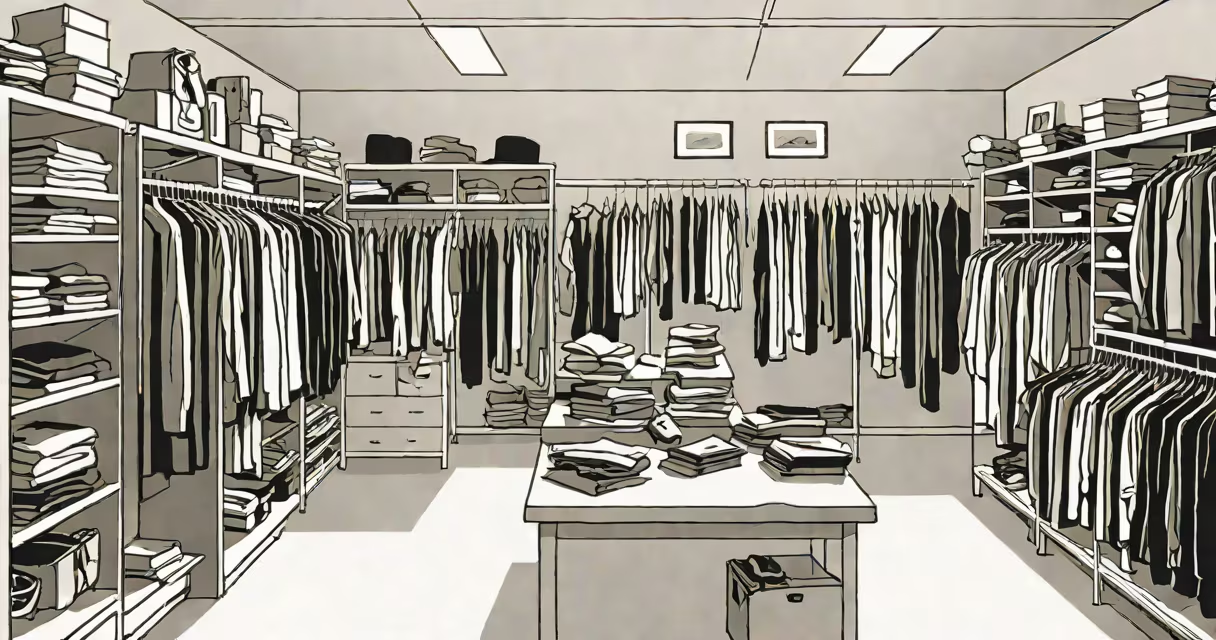
Charity shops that collect items are nonprofit retail outlets that accept donated goods-such as clothing, books, furniture, and electronics-and resell them to fund social programs, community services, or international aid. These stores operate under U.S. tax-exempt status and are regulated by the Internal Revenue Service (IRS).
These shops function as both donation centers and retail spaces. Individuals bring in usable, clean, and safe items they no longer need. The store staff sorts donations, prices them, and displays them for sale. Proceeds go toward supporting the parent nonprofit's mission-whether that's feeding the homeless, funding medical care, or aiding disaster relief.
According to the National Council of Nonprofits, over 16,000 registered charities in the U.S. run donation-based retail operations. The IRS requires these organizations to maintain records of all donations and ensure that proceeds are used exclusively for charitable purposes. Failure to comply can result in loss of tax-exempt status.
When someone donates an item, it typically enters a sorting system. Staff or volunteers assess each piece for quality, safety, and marketability. Items that don't meet standards-like torn clothing or damaged electronics-are either recycled or discarded. Only usable goods make it to the sales floor.
Each item is assigned a price based on condition, brand, and demand. A designer handbag might fetch $100, while a pair of worn jeans may sell for $5. Prices are adjusted weekly based on inventory turnover. Some stores use software to track sales and identify slow-moving items for discount events.
For example, Goodwill Industries in New York City processed over 1.2 million donations in 2023. Of those, 78% were clothing items, 15% were household goods, and 7% were electronics. After sorting, 62% of accepted donations were sold, generating $4.3 million in revenue used to fund job training programs.
Most charity shops that collect items accept gently used, clean, and functional goods. Common categories include:
However, not all items qualify. Stores typically reject:
| Item Type | Why Rejected |
|---|---|
| Stained or ripped clothing | Unsellable due to poor condition |
| Expired food or medicine | Health and safety risk |
| Large appliances (fridges, stoves) | High disposal cost and storage burden |
| Used bedding or towels | Regulated by health codes; often sent to recycling |
Some shops have specific rules. For instance, Salvation Army locations in California do not accept mattresses or large mirrors due to transport and liability concerns. Always check the organization's website or call ahead to confirm acceptable donations.
Charity shops that collect items serve multiple roles. They reduce waste by extending the life of usable products. According to the Environmental Protection Agency (EPA), Americans discard about 82 pounds of textile waste per person annually. Reselling clothes through these shops diverts that material from landfills.
They also provide accessible shopping options. In low-income neighborhoods, these stores offer affordable clothing and household goods. A 2022 study by the Urban Institute found that 41% of shoppers at charity shops reported saving at least $50 monthly on essentials compared to retail prices.
They create jobs. Many nonprofits hire local residents-especially those facing barriers to employment-for sorting, selling, and managing inventory. Goodwill's 2023 annual report showed that 72% of their workforce had previously experienced unemployment or underemployment.
One widespread misunderstanding is that all charity shops that collect items are run entirely by volunteers. While many rely on volunteer labor, larger chains like Goodwill and Habitat for Humanity employ paid staff. In 2023, Goodwill employed over 15,000 people nationwide, including warehouse managers and customer service agents.
Another myth is that donations are automatically tax-deductible. This is false. The IRS only allows deductions for donations valued at $250 or more when the donor receives a written acknowledgment from the charity. For smaller donations, a receipt or record of the donation date and description is sufficient-but the deduction amount must be reasonable and based on fair market value.
A lesser-known fact: many charity shops that collect items are part of national networks. These networks standardize pricing, branding, and donation policies across regions. For example, the Salvation Army operates over 3,300 thrift stores across the U.S., each following centralized guidelines on acceptance and resale.
Charity shops that collect items are not the same as consignment stores. Consignment shops charge sellers a commission-typically 30-50%-for displaying and selling their items. Charity shops do not pay donors; they receive donations freely and sell them to fund their missions.
They also differ from pawnshops. Pawnshops lend money against collateral and may keep or sell unclaimed items. Charity shops never lend money and always aim to sell donated goods to support their cause.
I once visited a local Goodwill location during a holiday drive. I brought in five winter coats, two pairs of boots, and a box of children's books. The staff sorted them quickly, labeled the coats with price tags, and thanked me. Later that week, I saw one of my coats sold for $18. The store's website confirmed that proceeds from that sale helped fund a youth mentorship program in the city.
Understanding what qualifies as a charity helps clarify how these shops operate. Learn more about the legal criteria for nonprofit status.
Charity shops that collect items are more than resale points-they are community hubs that reduce waste, support vulnerable populations, and provide access to essential goods. Their model blends sustainability, social impact, and public participation into a single, functioning system.