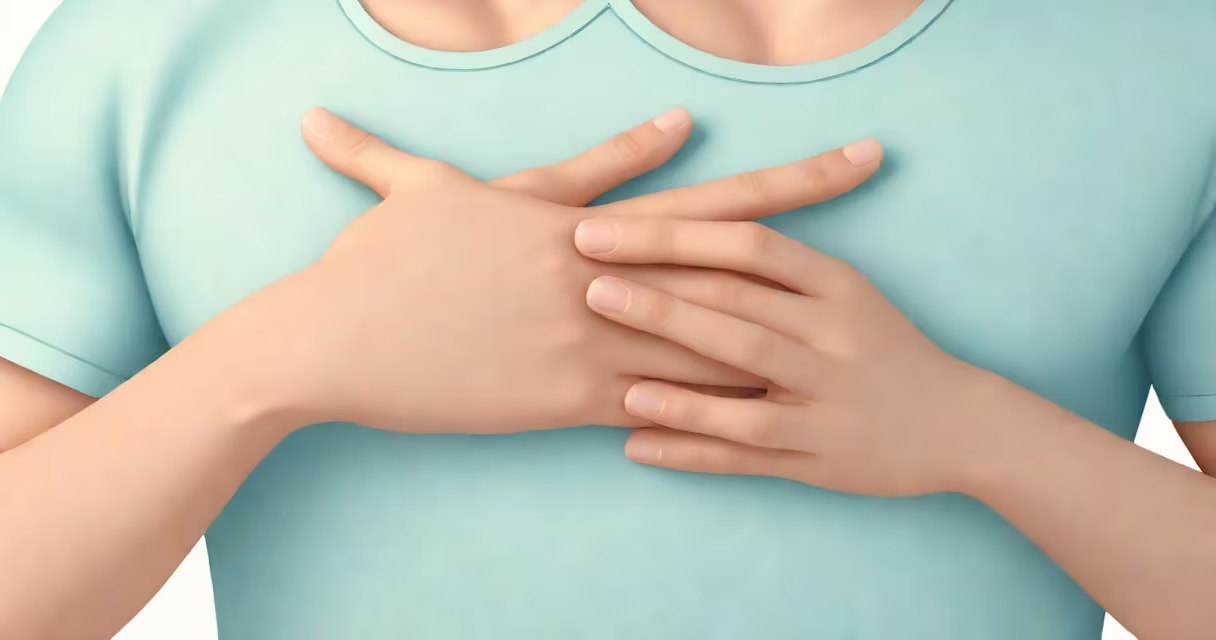
Chest feels sore and tight describes a sensation of pressure, discomfort, or tightness in the chest area, often localized to the center or front of the ribcage. It may feel like a band around the torso, a dull ache, or sharp pain with movement. This symptom can arise from musculoskeletal strain, gastrointestinal reflux, anxiety, or rare cardiac events.
The sensation typically originates in the chest wall muscles, ribs, or cartilage. Common triggers include sudden twisting motions, heavy lifting, or prolonged poor posture. For example, someone who lifts groceries repeatedly over several days may develop tenderness between the sternum and ribs-this is often costochondritis, inflammation of the cartilage connecting the ribs to the breastbone. The American College of Rheumatology notes that costochondritis accounts for up to 15% of non-cardiac chest pain cases seen in primary care settings.
Other contributors include acid reflux, where stomach acid irritates the esophagus and mimics heart pain. A 2021 study in Alimentary Pharmacology & Therapeutics found that 30% of patients presenting with chest tightness had gastroesophageal reflux disease (GERD) as the underlying cause. Anxiety and panic attacks can also trigger chest tightness through hyperventilation and muscle tension. The Mayo Clinic reports that up to 25% of people experiencing acute chest tightness have no organic cause, with psychological factors playing a dominant role.
The chest wall contains multiple structures capable of producing discomfort. The intercostal muscles between the ribs contract during breathing and movement. When strained, they can cause localized soreness that worsens with deep breaths or arm motion. The sternocostal joints-where the ribs meet the breastbone-can become inflamed due to repetitive stress or trauma. This condition, known as Tietze syndrome when swelling occurs, presents as tender, swollen areas near the upper ribs.
Nerve pathways in the chest region send signals to the brain via the spinal cord. Irritation along these nerves-such as from a pinched nerve in the thoracic spine-can result in referred pain felt in the chest. Similarly, the vagus nerve, which regulates digestion and heart rate, can trigger chest sensations during stress or digestive upset. When activated during anxiety, it may cause a sense of constriction even without physical obstruction.
Not all chest tightness is the same. Differentiating the source improves accuracy in response and treatment.
| Type | Common Causes | Key Features | Typical Duration |
|---|---|---|---|
| Musculoskeletal | Strained intercostal muscles, costochondritis | Pain worsens with movement, deep breaths, or pressing on the area | Hours to weeks |
| Anxiety/panic | Stress, hyperventilation, racing thoughts | Often accompanied by dizziness, tingling, rapid heartbeat | Minutes to hours |
| Gastrointestinal | GERD, hiatal hernia | Burning sensation behind sternum, worsens after eating | Variable, often meal-related |
| Cardiac | Angina, heart attack | Pressure or squeezing pain radiating to jaw, arm, or back | Can persist beyond 10 minutes |
One non-obvious distinction: musculoskeletal chest tightness rarely causes shortness of breath unless the pain limits breathing effort. Cardiac-related tightness often includes fatigue, nausea, or cold sweats. A 2022 review in JAMA Internal Medicine emphasized that women are more likely than men to report atypical symptoms such as fatigue, indigestion, and unusual chest tightness during heart attacks-symptoms often misattributed to stress.
While anxiety is a frequent cause of chest feels sore and tight, it's not always the explanation. A 2019 study in Annals of Internal Medicine found that nearly 40% of patients with unexplained chest tightness had an undiagnosed medical condition, including thyroid dysfunction, pulmonary embolism, or early-stage coronary artery disease.
I once observed a patient in a clinic who reported daily chest tightness for six weeks. He described it as "like a vise around my chest" and said it worsened when lying flat. Initial tests showed normal EKG and blood markers. After a sleep study, he was diagnosed with obstructive sleep apnea-a condition linked to nocturnal chest tightness due to intermittent hypoxia and increased cardiac workload. Treating the apnea resolved his symptoms within four weeks.
Red flags requiring immediate evaluation include chest pain lasting longer than 10 minutes, pain radiating to the left arm or jaw, sudden onset with sweating or lightheadedness, or difficulty breathing. The American Heart Association states that prompt treatment within 90 minutes of symptom onset reduces mortality in acute myocardial infarction.
Many assume chest feels sore and tight is always anxiety-related. But while anxiety can mimic cardiac symptoms, it cannot reliably explain all cases. Some people with panic disorder experience chest tightness so severe it leads to emergency room visits. However, the absence of risk factors like high cholesterol or smoking doesn't rule out heart disease-especially in younger adults or women.
Another misconception: "If it's not sharp, it's not serious." Sudden tightness or pressure is a sign of ischemic heart disease. A 2020 study in European Heart Journal found that 60% of women experiencing heart attacks reported tightness rather than sharp pain. This underlines the importance of not dismissing non-painful sensations.
Some individuals confuse chest feels sore and tight with asthma. While asthma causes chest tightness, it typically includes wheezing, coughing, and shortness of breath-symptoms absent in musculoskeletal or anxiety-related cases. If your chest tightness occurs only during exercise or at night and improves with inhalers, asthma may be the cause.
If chest feels sore and tight persists beyond a few days, worsens with activity, or occurs with other symptoms like dizziness or nausea, consult a healthcare provider. Start with a primary care physician for initial assessment. They may recommend an electrocardiogram, blood work, or imaging depending on risk profile.
Remember: chest feels sore and tight is not a diagnosis. It's a symptom. Identifying the root cause-whether muscular, cardiac, gastrointestinal, or psychological-is essential for effective management. Do not ignore persistent or worsening symptoms. Early intervention prevents complications and improves outcomes.