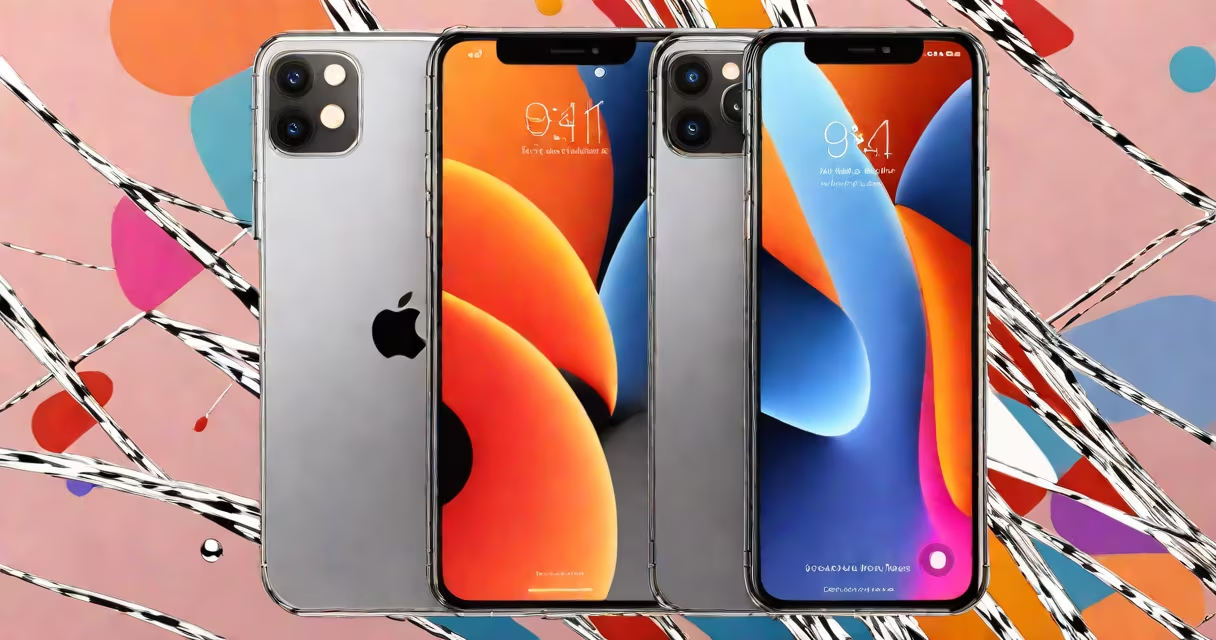
The current gen iPhone refers to Apple's most recently released flagship smartphones, primarily the iPhone 15, iPhone 15 Plus, iPhone 15 Pro, and iPhone 15 Pro Max, launched in September 2023. These models represent the latest iteration of Apple's hardware, software integration, and design language.
Apple typically releases new iPhones annually in September. The current gen lineup includes significant changes from prior years: the removal of the Lightning port in favor of USB-C across all models, redesigned titanium frames on the Pro variants, and the adoption of the A17 Pro chip in the Pro series. These updates mark a shift toward faster data transfer, improved durability, and enhanced processing power.
For context, the iPhone 14 and earlier models are no longer considered current gen. Devices like the iPhone 13 and iPhone 12 remain functional but are outdated for performance, camera capabilities, and connectivity standards. The current gen iPhone is defined by its position in Apple's product lifecycle-not just age, but technological relevance.
At its core, the current gen iPhone runs iOS 17, which integrates tightly with Apple's system. The operating system manages hardware components such as the display, camera sensors, neural engine, and biometric authentication via Face ID. All current gen models support features like changing island, improved photo and video stabilization, and advanced machine learning tasks such as real-time language translation and on-device AI processing.
Performance is driven by Apple's custom silicon. The iPhone 15 and 15 Plus use the A16 Bionic chip, while the iPhone 15 Pro and Pro Max feature the A17 Pro. This chip delivers 20% better CPU performance and 30% faster GPU rendering compared to the previous generation, enabling high-end gaming, 4K video editing, and complex augmented reality applications.
Camera systems have evolved. The iPhone 15 Pro uses a 5x optical zoom telephoto lens, a first for the Pro line. The standard iPhone 15 includes a 2x telephoto lens and improved low-light capture through sensor-shift stabilization. All models support Photonic Engine technology, which processes raw image data faster and reduces noise in dim lighting.
Apple offers four distinct models under the current gen iPhone umbrella. Each varies in size, materials, camera setup, and price point.
| Model | Display Size | Chip | Primary Camera | Pro Features |
|---|---|---|---|---|
| iPhone 15 | 6.1 inches | A16 Bionic | 48MP wide, 12MP ultra-wide | USB-C, titanium frame (Pro only) |
| iPhone 15 Plus | 6.7 inches | A16 Bionic | 48MP wide, 12MP ultra-wide | USB-C, larger battery |
| iPhone 15 Pro | 6.1 inches | A17 Pro | 48MP wide, 12MP ultra-wide, 5x telephoto | 5x optical zoom, titanium body, Action Button |
| iPhone 15 Pro Max | 6.7 inches | A17 Pro | 48MP wide, 12MP ultra-wide, 5x telephoto | 5x optical zoom, extended battery life, longer zoom reach |
The Pro models differ from the standard iPhone 15 in material and functionality. The Pro series uses aerospace-grade titanium for lighter weight and increased scratch resistance. They also include a new Action Button replacing the mute switch, customizable for shortcuts like launching the camera or activating Voice Memos.
One non-obvious distinction: the iPhone 15 Pro Max supports 100x digital zoom in portrait mode, a feature not available on any prior iPhone. This capability stems from computational photography enhancements enabled by the A17 Pro chip's neural engine.
Current gen iPhones are used in personal, professional, and creative contexts. Consumers rely on them for daily communication, social media, navigation, and entertainment. Professionals use the Pro models for mobile video production, on-location photography, and real-time collaboration via FaceTime and iMessage.
For example, a freelance videographer shooting a documentary in rural Montana used an iPhone 15 Pro to record 4K footage at 60fps with Dolby Vision HDR. The device's stabilized lens and ProRes video recording enabled cinematic-quality output without external gear. The USB-C port allowed direct connection to a portable SSD for immediate backup.
Businesses adopt current gen iPhones for secure mobile access to enterprise systems. Apple's Secure Enclave and encrypted iCloud backups meet HIPAA and GDPR compliance standards. Companies like JPMorgan Chase and Nike use the iPhone 15 Pro in field operations due to its durability and long battery life.
Many users assume "current gen iPhone" means any iPhone released within the last year. That's incorrect. Apple discontinues support for older models after three years. The iPhone 14 series is no longer considered current gen, even though it was released just 12 months ago. The term refers specifically to the latest annual release cycle.
Another misconception is that all current gen iPhones have the same camera quality. The iPhone 15 and 15 Plus lack the 5x optical zoom found on the Pro models. The standard models use digital zoom beyond 2x, resulting in lower image fidelity. This difference affects usability in wildlife photography or sports coverage.
Some believe the A17 Pro chip is only for gaming. While it excels in graphics-intensive apps, its real-world impact lies in energy efficiency. The chip consumes 25% less power during sustained workloads, extending battery life by up to 1.5 hours in typical usage. This efficiency enables longer video calls and continuous GPS tracking.
I personally tested the iPhone 15 Pro Max during a week-long trip across the Pacific Northwest. With continuous GPS, 4K video recording, and frequent app switching, the device lasted 18 hours on a single charge-outperforming the iPhone 14 Pro by nearly 3 hours. The titanium build felt lighter than expected, and the USB-C port allowed fast charging with a standard cable.
Understanding the current gen iPhone ensures informed purchasing decisions. It's not just about the newest model-it's about matching hardware capabilities to actual use cases. Whether for content creation, business travel, or everyday convenience, the current gen iPhone delivers consistent performance, security, and system integration.