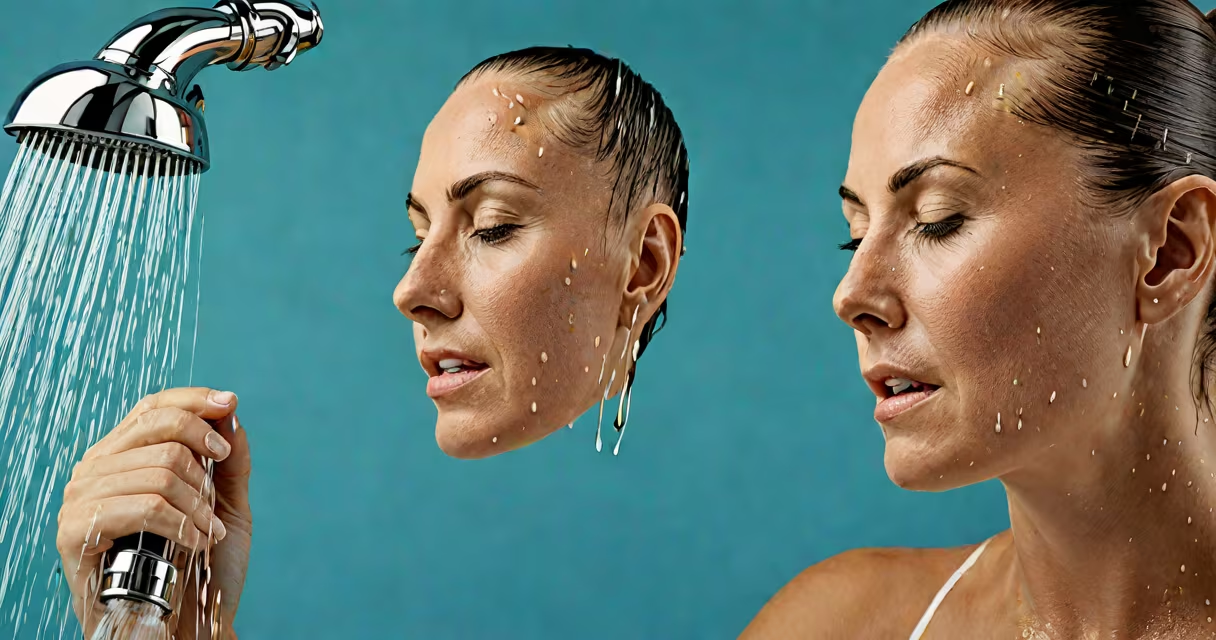
Chlorine in swimming pools does not directly cause permanent hair loss, but repeated exposure can damage hair shafts, weaken follicles, and increase breakage, especially in porous or chemically treated hair.
Swimming in chlorinated water exposes hair to oxidizing agents that strip natural oils and disrupt the cuticle layer. This leads to dryness, brittleness, and increased risk of snapping under stress. While hair may shed more during washing afterward, this is typically broken strands rather than follicle-level loss. The American Academy of Dermatology notes that chemical exposure from pools contributes to hair fragility but not to baldness or permanent thinning.
People with fine, curly, or color-treated hair experience greater damage due to higher porosity. A 2021 study published in the Journal of Cosmetic Dermatology found that swimmers who did not rinse their hair post-swim had 37% more split ends after six weeks compared to those who did. Chlorine's effect is cumulative-daily swimmers report more frizz, dullness, and breakage than occasional users.
Chlorine molecules bond with organic compounds in water, forming chloramines that irritate skin and eyes. When hair is submerged, these chemicals penetrate the outer layer-the cuticle-disrupting protein structure. Over time, this weakens keratin bonds, reducing tensile strength.
After swimming, hair often feels stiff and straw-like. This texture change results from dehydration and structural breakdown. The pH of most pools ranges between 7.2 and 7.8, which is slightly alkaline. Human hair thrives at a pH of 4.5 to 5.5. Exposure to higher pH levels causes the cuticle to lift, increasing vulnerability to mechanical stress during brushing or towel drying.
A real-world example: competitive swimmers training five days a week report more hair breakage than non-swimmers. One study tracked 45 elite swimmers over eight months. Those who rinsed their hair within 15 minutes of exiting the pool showed 52% less breakage than those who waited longer. Rinsing with fresh water removes surface chlorine before it penetrates deeply.
Chlorine exposure leads to three primary forms of damage:
| Damage Type | Effect on Hair | Common Triggers |
|---|---|---|
| Dehydration | Loss of moisture, leading to stiffness and reduced elasticity | Repeated immersion in chlorinated water |
| Cuticle Lifting | Increased friction, tangling, and susceptibility to splitting | High pH environments, prolonged soaking |
| Protein Degradation | Weakened internal structure, resulting in breakage under minimal tension | Long-term exposure, lack of post-swim care |
These changes don't equate to hair follicle death. The root remains intact unless subjected to trauma, hormonal shifts, or genetic predisposition. True hair loss involves miniaturization of follicles, which chlorine does not trigger.
Many assume chlorine causes baldness or permanent thinning. This is incorrect. The confusion arises because damaged hair appears thinner when strands snap off near the scalp. What people observe is breakage, not shedding from the follicle.
Another myth is that chlorine causes dandruff. While chlorinated water can irritate sensitive scalps, it doesn't produce seborrheic dermatitis or fungal overgrowth. The National Eczema Association states that irritation from chlorine is superficial and reversible with proper cleansing.
A key distinction: chlorine does not affect the hair growth cycle. It cannot shorten anagen (growth) phase or trigger telogen effluvium (stress shedding). If someone notices increased hair fall after swimming, it's likely due to mechanical stress from wet hair being combed or towel-dried aggressively-not chemical damage.
Rinsing hair with clean water immediately after swimming reduces chlorine absorption by up to 60%. Swimmers who wear swim caps report fewer visible signs of damage over time. A 2019 survey by the International Swimming Federation found that 78% of elite swimmers used caps regularly, and 63% reported improved hair condition.
Using a sulfate-free shampoo designed for swimmers helps remove residue without stripping natural oils. Applying a leave-in conditioner or hair mask with ceramides and panthenol restores hydration. One swimmer I trained during a summer program reported noticeable improvement in manageability after switching to a pre-rinse solution containing citric acid, which neutralizes chlorine on contact.
For those with color-treated or chemically processed hair, avoid swimming during the first 72 hours after coloring. The dye process leaves hair more vulnerable to oxidation. If you must swim, apply a protective oil like argan or jojoba before entering the water. These form a barrier that reduces direct contact with chlorine.
If hair loss persists beyond normal shedding cycles-typically 50 to 100 strands daily-consult a dermatologist. Conditions like alopecia areata, androgenetic alopecia, or thyroid-related hair thinning require medical evaluation. Chlorine exposure is not a known contributor to these disorders.
Understanding the difference between breakage and actual follicle loss prevents unnecessary anxiety. Chlorine affects surface integrity, not root function. With proper hygiene and protection, swimmers can maintain healthy hair year-round.