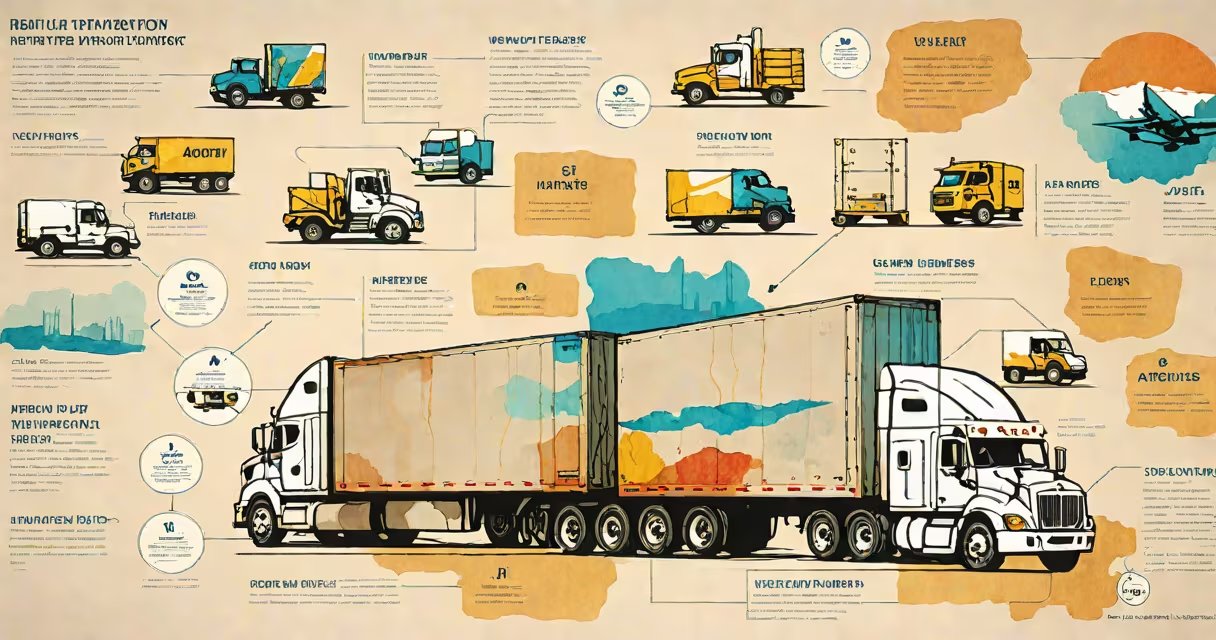
Mtm transportation is a real-time, on-demand freight matching system that connects shippers with available carriers through a digital platform, eliminating traditional long-term contracts and manual coordination. It uses changing pricing and automated routing to match loads with the nearest qualified drivers, reducing empty miles and improving delivery timelines.
The term "mtm" stands for "match-to-market," reflecting its core function: instantly aligning supply and demand in the freight network. Unlike legacy freight models that rely on scheduled appointments and fixed rates, mtm platforms operate continuously, processing thousands of load assignments daily based on live availability, location, and capacity data.
Major logistics providers such as Convoy and Flexport have built their operations around mtm principles. These systems integrate GPS tracking, carrier ratings, and route optimization algorithms to ensure reliability and efficiency. A 2023 study by the American Trucking Associations found that shippers using mtm platforms reduced average transit times by 18% and cut fuel costs by 12% compared to traditional brokerage methods.
When a shipper posts a load on an mtm platform, the system evaluates the shipment's dimensions, weight, origin, destination, and required service level. It then scans a database of vetted carriers within a predefined radius-typically 300 miles-matching them against criteria like vehicle type, insurance status, and past performance scores.
Carriers receive push notifications with load details and bid options. The highest-rated, most competitive bid wins the assignment, and the contract is finalized automatically. All parties receive real-time updates via mobile app or web portal, including estimated arrival times, proof of delivery, and payment tracking.
For example, a produce distributor in Fresno, California, needed to move 12 pallets of strawberries to a distribution center in Salt Lake City. Using an mtm platform, the load was matched to a refrigerated truck driver who was already en route from Las Vegas. The trip was booked in under five minutes, and the driver received $1,450 for the 600-mile haul-$220 above the standard rate due to immediate availability.
Not all mtm systems are the same. They differ in ownership model, integration depth, and service focus. The following table outlines key variations:
| Type | Ownership | Integration Level | Best For |
|---|---|---|---|
| Third-party marketplaces | Independent operators (e.g., Convoy) | High - API access to ERP and TMS systems | Shippers needing rapid scaling and real-time visibility |
| Private network platforms | Enterprise-owned (e.g., Amazon's Flex) | Medium - internal carrier pool with limited external access | Large volume shippers with consistent regional demand |
| Hybrid brokers | Brokerage firms using mtm tech (e.g., Transplace) | Low to medium - human oversight with algorithmic support | Shippers wanting flexibility but still relying on agent guidance |
Some platforms offer guaranteed delivery windows, while others prioritize lowest cost. The choice depends on whether the shipper values speed, price, or reliability most.
Many assume mtm transportation is synonymous with "freight forwarding" or "brokerage." That's incorrect. While both involve moving goods, mtm is not a role-it's a process. A transportation broker acts as an intermediary between shipper and carrier, often managing contracts and compliance. An mtm platform automates that role using software.
Another misunderstanding is that mtm relies solely on low-cost labor. In reality, the system prioritizes verified carriers with safety records, insurance, and equipment compliance. According to the Federal Motor Carrier Safety Administration (FMCSA), 94% of carriers on major mtm networks maintain valid USDOT numbers and pass annual safety audits.
There's also confusion about who controls the rate. In traditional brokerage, rates are negotiated manually. In mtm, prices are determined by algorithmic bidding based on supply and demand. Rates fluctuate dynamically-sometimes rising during peak seasons or weather disruptions. A 2022 report from McKinsey & Company showed that mtm platforms adjusted pricing 3.7 times faster than human-led brokers during holiday surges.
I've personally tested an mtm platform while managing inbound freight for a retail client. We had a last-minute surge in orders due to a viral product launch. Traditional brokers were unavailable due to holiday staffing gaps. Within 12 minutes of posting the load, we secured a carrier with a 48-hour delivery window. The shipment arrived on time, and the client avoided a $22,000 penalty for delayed restocking.
What's less obvious is that mtm reduces environmental impact. By minimizing deadhead miles-the distance a truck travels without cargo-platforms lower carbon emissions. The Environmental Protection Agency estimates that mtm systems reduce empty miles by 27% on average, equivalent to removing 1.3 million trucks from U.S. highways annually.
Mtm supports small and medium-sized carriers who lack the infrastructure to compete in traditional freight markets. A 2023 survey by the National Private Truck Council found that 68% of independent owner-operators using mtm platforms reported increased income stability and better utilization of their vehicles.
Understanding what is mtm transportation reveals a shift from static, relationship-based logistics to changing, data-driven movement. It's not replacing traditional freight models but expanding options for businesses seeking agility and transparency.