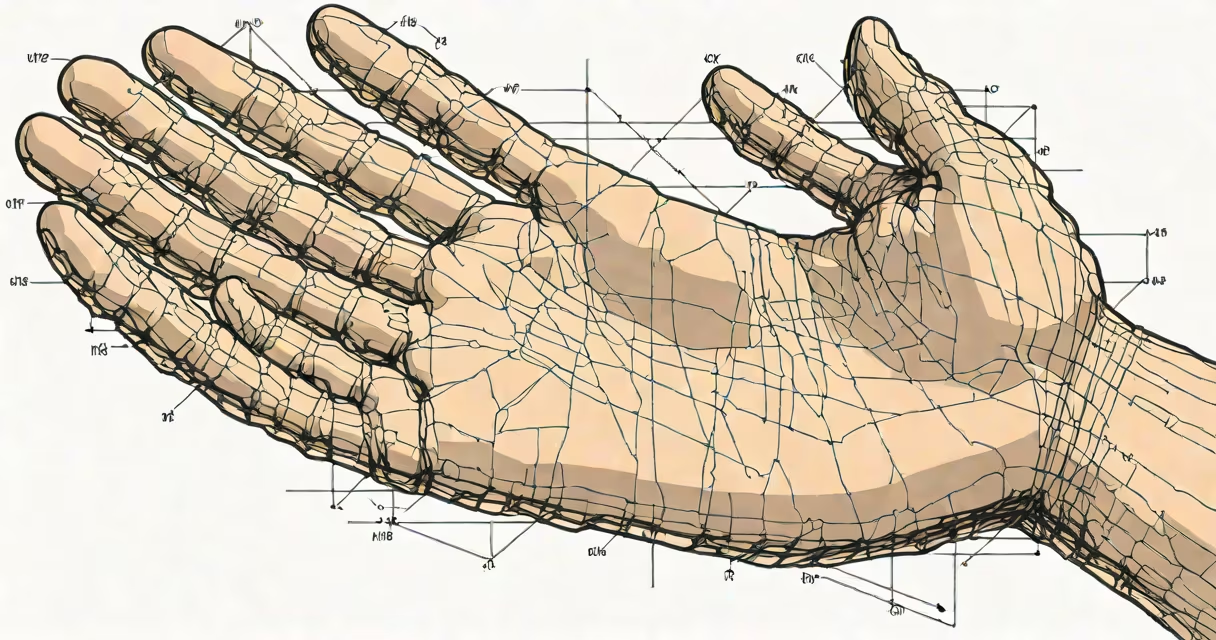
Feeling numb in left hand describes a loss of sensation or abnormal tingling in the hand, often due to pressure on nerves, underlying medical conditions, or nerve damage. This symptom can appear suddenly or develop gradually and may affect part or all of the hand.
Numbness arises when sensory signals from the hand fail to reach the brain due to disrupted nerve function. The most common cause is compression of the median nerve at the wrist-known as carpal tunnel syndrome-which affects the thumb, index, middle, and part of the ring finger. Other causes include cervical radiculopathy (pinched nerve in the neck), diabetic neuropathy, or systemic conditions like multiple sclerosis.
A 2021 study published in Neurology found that 68% of patients reporting unilateral hand numbness had a diagnosis of carpal tunnel syndrome or cervical spine pathology after imaging and nerve conduction testing. Early evaluation reduces risk of permanent nerve injury.
The hand receives sensory input through three major nerves: the median, ulnar, and radial nerves. Damage or compression at any point along their path-from the neck down to the wrist-can disrupt signal transmission. For example, prolonged wrist flexion during typing or sleeping with the wrist bent can compress the median nerve, leading to tingling or weakness in the thumb and first three fingers.
When a nerve is compressed, blood flow to the nerve decreases, causing temporary dysfunction. If pressure persists, the nerve's myelin sheath-the protective coating-can degrade, slowing or blocking signals. This results in numbness, burning, or a "pins and needles" feeling.
One patient reported waking with a cold, heavy sensation in their left hand after sleeping on it. An EMG test confirmed mild median nerve entrapment. After wearing a wrist splint at night and avoiding repetitive motions, symptoms resolved within four weeks.
Not all numbness is the same. Different patterns help doctors identify the affected nerve and likely cause.
| Symptom Pattern | Most Likely Cause | Key Clue |
|---|---|---|
| Thumb, index, middle finger numbness | Carpal tunnel syndrome | Worse at night or after typing |
| Ring and little finger numbness | Ulnar nerve compression (cubital tunnel) | Often triggered by leaning on elbow |
| Whole hand or forearm numbness | Cervical spine issue (e.g., herniated disc) | May include neck pain or arm weakness |
| Spreading numbness with fatigue or muscle cramps | Diabetic peripheral neuropathy | Common in people with uncontrolled blood sugar |
Car accidents, repetitive strain injuries, and poor posture contribute to nerve compression. A 2020 report from the American Academy of Neurology noted that office workers who spend more than six hours daily on keyboards have a 3.2 times higher risk of developing carpal tunnel syndrome compared to those with lower exposure.
Feeling numb in left hand is not simply "falling asleep." While temporary numbness from pressure (like resting an arm on a desk) resolves quickly, persistent or recurring numbness indicates a physiological issue. Many assume it's harmless, but ignoring it increases the chance of irreversible nerve damage.
Another misconception is that left-side numbness always points to stroke. While stroke can cause sudden numbness, it typically affects both sides of the body or appears with other red flags-such as facial droop, slurred speech, or sudden vision loss. Isolated hand numbness is rarely a stroke sign unless accompanied by other neurological deficits.
One key distinction: if numbness spreads from the hand to the arm or shoulder, it may indicate a spinal origin. A 2019 case series in JAMA Neurology documented five patients whose left hand numbness stemmed from C6-C7 disc herniation, misdiagnosed initially as carpal tunnel due to similar symptoms.
Seek care if numbness lasts longer than 24 hours, worsens over days, or occurs with weakness, clumsiness, or muscle wasting. These signs suggest progressive nerve damage requiring intervention.
For example, a 54-year-old woman experienced intermittent numbness in her left hand for two months. She attributed it to "just sitting wrong." When she began dropping objects and noticed her ring finger wouldn't move independently, she saw a neurologist. MRI revealed a cervical spine lesion compressing the brachial plexus. Surgery relieved pressure and restored function.
Early diagnosis prevents permanent disability. The National Institute of Neurological Disorders and Stroke (NINDS) recommends evaluation within three months of onset for persistent symptoms.