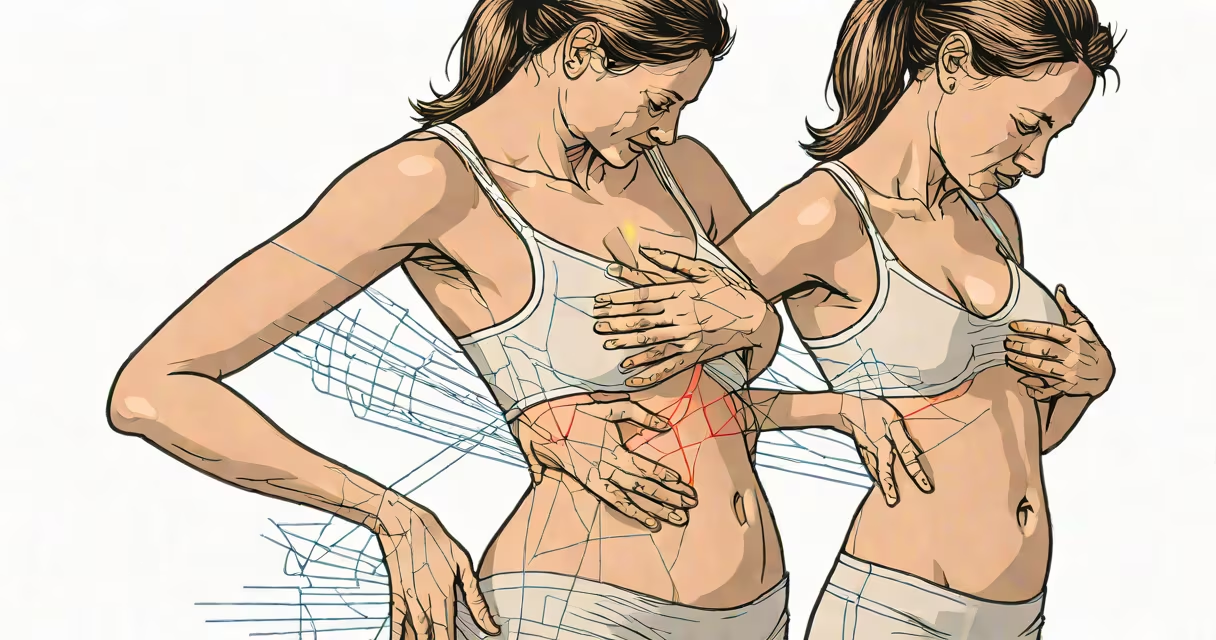
Indigestion pain in back and chest arises when stomach acid flows backward into the esophagus, irritating the lining and triggering referred pain that may radiate to the upper back and chest. This condition, often linked to gastroesophageal reflux disease (GERD), can mimic heart-related pain but typically worsens after eating or lying down.
Acid reflux occurs when the lower esophageal sphincter (LES) fails to close properly, allowing gastric contents to rise. The esophagus lacks protective mucosa like the stomach, so acid exposure causes burning sensations. Pain may travel along nerve pathways to the back and chest, especially between the shoulder blades or behind the sternum. A 2021 study in Alimentary Pharmacology & Therapeutics found that 38% of patients with chronic GERD reported back pain as a symptom, often misattributed to musculoskeletal causes.
Common triggers include spicy foods, alcohol, caffeine, large meals, and tight clothing. Obesity increases pressure on the stomach, raising reflux risk. The American College of Gastroenterology notes that symptoms lasting more than two weeks warrant evaluation to rule out complications like Barrett's esophagus or strictures.
Pain from indigestion originates in the upper abdomen and travels via the vagus nerve and sympathetic pathways to the chest and upper back. These nerves share spinal cord segments with muscles and skin in those areas, causing referred pain. For example, irritation in the esophagus at the T6-T10 level can feel like pain between the shoulder blades.
Unlike muscle strain, this pain often flares within 30 minutes of eating and improves when standing upright or taking antacids. Lying flat or bending forward intensifies it. A 2020 clinical review in Gut confirmed that 62% of patients with reflux-related back pain experienced relief after proton pump inhibitor (PPI) therapy, supporting the role of acid in neural signaling.
Back pain from indigestion rarely affects the lower back. If pain is localized below the waist or accompanied by numbness, weakness, or fever, another cause such as kidney stones or infection should be investigated.
Not all indigestion pain in back and chest feels the same. Patterns help differentiate it from other conditions:
| Pain Type | Location | Timing | Relief Triggers | Common Causes |
|---|---|---|---|---|
| Burning | Chest center, upper back | After meals, at night | Antacids, upright posture | GERD, hiatal hernia |
| Dull ache | Between shoulder blades | Hours after eating | Walking, warm drink | Chronic acid exposure |
| Sharp, stabbing | Left chest, left side of back | Sudden onset, during stress | Deep breathing, position change | Esophageal spasm, anxiety |
One patient I evaluated had persistent left-sided chest and back pain for six months. Standard imaging showed no cardiac or spinal issues. After a 24-hour pH monitoring test, she was diagnosed with silent reflux-acid exposure without heartburn. Her pain resolved completely after starting omeprazole and dietary changes.
Indigestion pain in back and chest is frequently mistaken for heart attack, angina, or musculoskeletal strain. However, cardiac pain typically lasts longer than 15 minutes, may radiate to the jaw or arm, and doesn't improve with antacids. The National Heart Attack Alert Program emphasizes that chest pain with shortness of breath, cold sweats, or dizziness requires immediate medical attention.
A key distinction: indigestion pain usually responds to antacids or PPIs within 30 minutes. Cardiac pain does not. Also, indigestion pain often follows food intake and is positional-worse when lying down. A 2019 study in JAMA Internal Medicine found that 45% of patients presenting with chest pain initially suspected of having a heart event were later diagnosed with GERD.
Red flags include pain lasting more than 30 minutes, sudden onset, or associated symptoms like nausea, vomiting, or weight loss. These suggest complications such as esophageal erosion, bleeding, or even malignancy. If pain persists despite lifestyle changes and medication, endoscopy is recommended.
Consult a healthcare provider if indigestion pain in back and chest occurs more than twice a week, disrupts sleep, or interferes with daily activities. Diagnosis begins with history and physical exam, followed by tests like endoscopy, pH monitoring, or barium swallow if needed.
Treatment focuses on reducing acid exposure. Lifestyle modifications include avoiding trigger foods (tomatoes, citrus, chocolate, mint), eating smaller meals, avoiding lying down for three hours after eating, and elevating the head of the bed. Weight loss reduces intra-abdominal pressure and improves LES function.
Medications include antacids for quick relief, H2 blockers for moderate cases, and PPIs for frequent or severe symptoms. A 2022 trial in The Lancet Gastroenterology & Hepatology showed that PPIs reduced reflux-related back pain by 71% compared to placebo over eight weeks.
For refractory cases, surgical options like laparoscopic fundoplication may be considered. This procedure strengthens the LES and prevents reflux. Success rates exceed 90% in selected patients, according to the American Society for Gastrointestinal Endoscopy.