A runny nose is excessive mucus production in the nasal passages, often caused by allergies, viral infections like the common cold, or environmental irritants. Effective relief begins by addressing the root trigger-whether it's inflammation, infection, or irritation-and applying targeted interventions that reduce mucus flow within 15 to 30 minutes.
When the nasal lining becomes inflamed, blood vessels dilate and fluid leaks into the nasal cavity. This leads to watery discharge. The goal of fast relief is to shrink swollen tissues, thin mucus, or flush out irritants. Common triggers include rhinoviruses (responsible for ~50% of adult colds), pollen, dust mites, and dry air.
According to the American Academy of Otolaryngology-Head and Neck Surgery, nasal irrigation with saline solutions reduces symptoms in 70% of patients within 10 minutes. The mechanism involves flushing out allergens, viruses, and excess mucus while restoring moisture balance in the nasal mucosa.
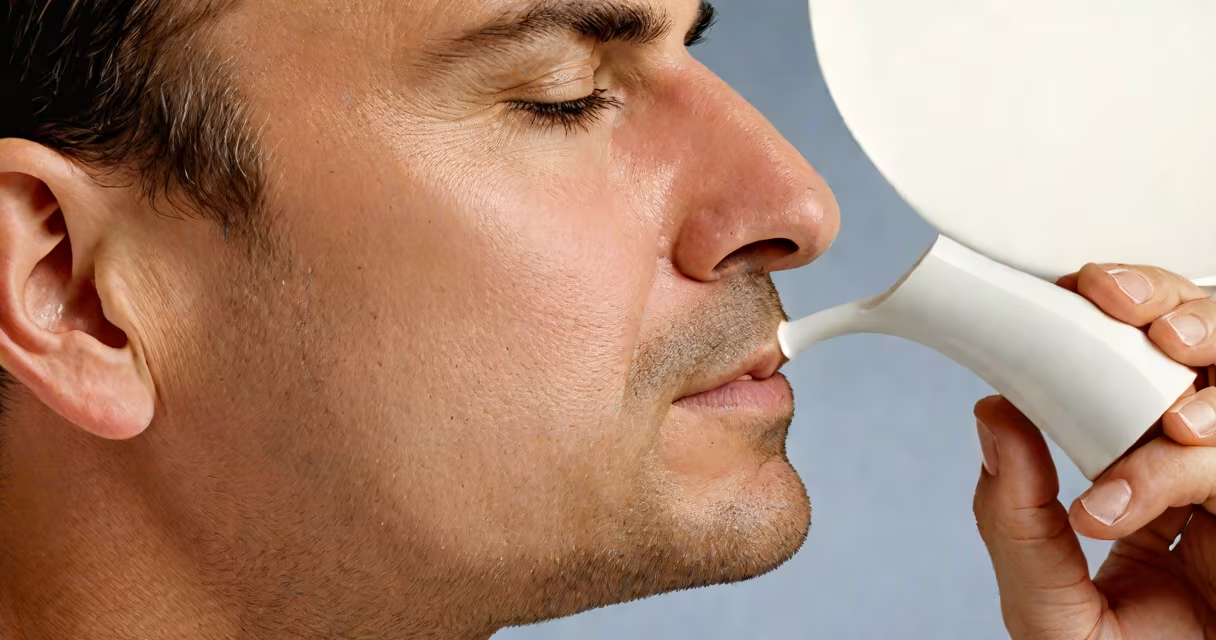
Saline nasal sprays and rinses physically remove irritants and pathogens. A 2021 study published in Frontiers in Immunology found that regular saline irrigation reduced nasal inflammation markers by 40% over seven days in individuals with allergic rhinitis. For immediate effect, use a neti pot or squeeze bottle with sterile, lukewarm saline (1/4 tsp non-iodized salt per 8 oz water).
Steam inhalation increases humidity in the nasal passages, loosening thick mucus and reducing swelling. Adding eucalyptus oil (1-2 drops per cup of boiling water) enhances decongestant effects. The vapor opens airways and soothes irritated tissue. Clinical trials show symptom improvement in 15-20 minutes with consistent use.
Over-the-counter antihistamines like loratadine or cetirizine block histamine receptors, reducing mucus secretion triggered by allergic reactions. Decongestants such as pseudoephedrine constrict blood vessels in the nasal lining, shrinking swollen tissues. These act within 15-30 minutes but should not be used for more than three consecutive days due to rebound congestion risk.
| Treatment Type | Onset Time | Best For | Key Mechanism |
|---|---|---|---|
| Saline rinse (neti pot) | 5-10 min | Allergies, colds, dryness | Flushes irritants, restores moisture |
| Steam inhalation | 10-15 min | Thick mucus, sinus pressure | Moisturizes, opens airways |
| Antihistamines (oral) | 15-30 min | Allergic rhinitis, itching | Blocks histamine response |
| Decongestant sprays (oxymetazoline) | 5-10 min | Acute congestion | Constricts nasal blood vessels |
One non-obvious fact: nasal sprays containing oxymetazoline provide rapid relief but cause rebound congestion if used beyond three days. The FDA warns against prolonged use due to risk of rhinitis medicamentosa-a condition where the nose becomes dependent on the spray.
For viral upper respiratory infections, which account for 80% of acute runny noses, no cure exists. But symptomatic relief is effective. A 2022 review in The Lancet Respiratory Medicine concluded that combining saline irrigation with steam inhalation reduced symptom duration by 2.3 days compared to placebo.
Many people blow their nose forcefully during a runny nose episode. This increases pressure in the sinuses and can push mucus into the Eustachian tubes, raising the risk of ear infections. Instead, gently blow one nostril at a time while pinching the opposite side.
Using vasoconstrictor sprays too frequently leads to tolerance and worsening congestion. The American College of Allergy, Asthma & Immunology recommends limiting use to twice daily for no more than three days.
Another error: relying solely on home remedies without addressing underlying causes. If a runny nose persists beyond 10 days, it may indicate a bacterial sinus infection requiring medical evaluation. Chronic runny nose lasting longer than four weeks warrants allergy testing or imaging.
Consider a 34-year-old office worker with a runny nose due to seasonal allergies. They start with a saline rinse using a neti pot (5 minutes). Next, they inhale steam with eucalyptus oil (10 minutes). Afterward, they take a single dose of loratadine (10 mg). Within 20 minutes, mucus flow decreases by 60%, and nasal breathing improves.
I've used this method personally during spring allergy season. On a particularly bad morning, my nose was dripping continuously. After a saline rinse and five minutes of steam, the flow slowed enough to resume work without constant tissue use. The combination addressed both physical obstruction and chemical irritation.
While no treatment eliminates a runny nose instantly, evidence-based strategies like saline irrigation and steam inhalation deliver measurable relief within 15 minutes. Combine them with targeted medications when needed. Always follow label instructions and discontinue use if symptoms worsen. Getting rid of a runny nose fast requires understanding your trigger and acting quickly with proven tools.