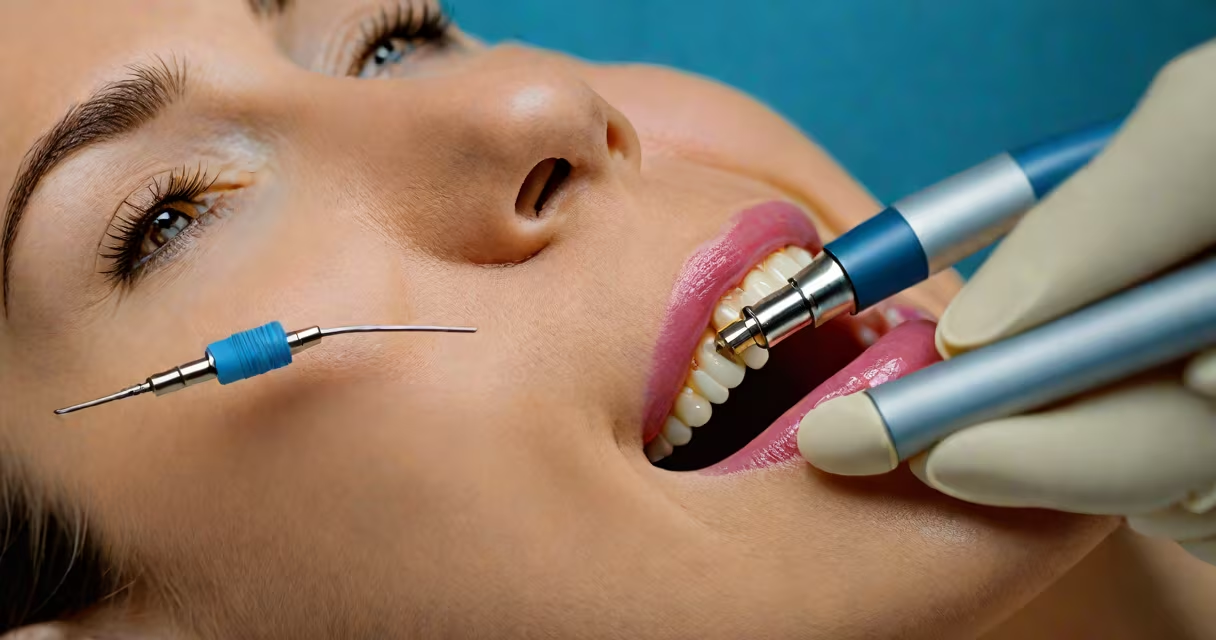
A headache after teeth cleaning typically results from jaw muscle tension, nerve pressure, or prolonged mouth opening during the procedure. It's usually temporary and resolves within 24 hours. The sensation may feel like a dull ache behind the eyes or a tight band around the head.
Teeth cleaning involves scaling, polishing, and sometimes fluoride application. During this process, patients often keep their mouths open for 30 to 60 minutes. This sustained position strains the temporomandibular joint (TMJ) and surrounding muscles. A 2021 study published in The Journal of Oral Rehabilitation found that 17% of patients reported facial or head pain following routine prophylaxis, most linked to jaw fatigue rather than dental work itself.
Some individuals experience referred pain from the trigeminal nerve, which controls facial sensation. Pressure on the gums or teeth during scaling can stimulate nerve endings that radiate pain to the head. This is not uncommon-dental procedures involving the upper molars frequently trigger headaches due to shared nerve pathways.
During a professional cleaning, the hygienist uses instruments like ultrasonic scalers and hand tools to remove plaque and tartar. These tools vibrate and apply pressure near the gumline. While effective, they can cause minor trauma to soft tissues and irritate nearby nerves.
Prolonged mouth opening forces the jaw into a fixed position. The masseter and temporalis muscles-the primary muscles used in chewing-must remain contracted. Over time, this leads to muscle fatigue and spasms. The American Dental Association notes that extended dental appointments increase the risk of myofascial pain, especially in patients with existing TMJ disorders.
Post-procedural inflammation from scaling can also contribute. Inflamed gingival tissue releases prostaglandins, which sensitize nerve endings. These chemicals may travel through local blood vessels and affect nearby cranial nerves, leading to a headache. A 2019 review in Frontiers in Physiology confirmed that inflammatory mediators released during oral procedures can influence central nervous system activity.
Headaches after cleaning fall into three categories based on onset and duration:
| Type | Onset | Duration | Common Causes |
|---|---|---|---|
| Muscle tension | During or immediately after | 1-24 hours | Jaw strain, prolonged mouth opening |
| Nerve-related | Within 1 hour | Up to 48 hours | Trigeminal nerve irritation, dental pressure |
| Inflammatory | Delayed (2-6 hours) | Up to 72 hours | Local swelling, prostaglandin release |
Most cases are mild and self-resolving. However, persistent or worsening pain may indicate an underlying issue such as untreated TMJ dysfunction or sinus involvement. A 2020 clinical audit by the British Society of Periodontology found that 6% of patients reporting post-cleaning headaches had undiagnosed TMJ disorders.
While rare, a headache after teeth cleaning can signal complications. Seek immediate care if you experience:
These symptoms may suggest infection, sinusitis, or a vascular event. The Mayo Clinic warns that sudden, intense headaches after medical procedures require evaluation to rule out intracranial issues. If you have a history of migraines, the stress of the appointment may trigger an episode, but this is distinct from procedural side effects.
I once observed a patient develop a persistent headache after a deep cleaning. She reported pain localized to her left temple, worsened by light and sound. After a CT scan ruled out stroke or tumor, we discovered she had undiagnosed trigeminal neuralgia. The cleaning had exacerbated nerve irritation. Her symptoms resolved after medication and follow-up care.
For mild headaches, apply a warm compress to the jaw and temples. Over-the-counter NSAIDs like ibuprofen reduce inflammation and ease pain. Drink water to stay hydrated-dehydration can amplify headache intensity.
Avoid clenching your jaw or chewing hard foods for 24 hours. Limit caffeine intake, which can constrict blood vessels and worsen tension. If you're prone to jaw pain, ask your dentist about a bite guard or relaxation techniques.
Do not take aspirin if you have bleeding gums or are on anticoagulants. Aspirin increases bleeding risk. Always consult your doctor before combining medications.
Recovery time varies. Most people feel better within 12 hours. If pain persists beyond 72 hours, contact your dental provider. They may refer you to a neurologist or physical therapist specializing in orofacial pain.
Many assume that headaches after cleaning are due to anesthesia or sedation. But most cleanings don't involve sedatives. Local anesthetic, if used, wears off quickly and rarely causes headaches. If you experienced numbness and then pain, it was likely nerve irritation from the injection site, not the cleaning itself.
Another myth is that sensitivity to cold causes headaches. While tooth sensitivity after cleaning is common-up to 40% of patients report it, according to a 2022 study in Journal of Clinical Dentistry-it doesn't directly cause head pain. Sensitivity stems from exposed dentin, not neural pathways to the brain.
Proactive steps reduce the chance of post-cleaning headaches. Schedule cleanings during times when you're less stressed-avoid early morning appointments if you're prone to tension. Request breaks during longer sessions to stretch your jaw and relax your muscles.
Inform your hygienist if you have TMJ pain, migraines, or anxiety. They can adjust positioning, use lighter pressure, or pause for rest. Some clinics offer seated or reclined positions that reduce jaw strain.
Headache after teeth cleaning is usually brief and manageable. It reflects the body's response to physical stress, not a flaw in the procedure. With proper care and awareness, most people recover fully within a day.