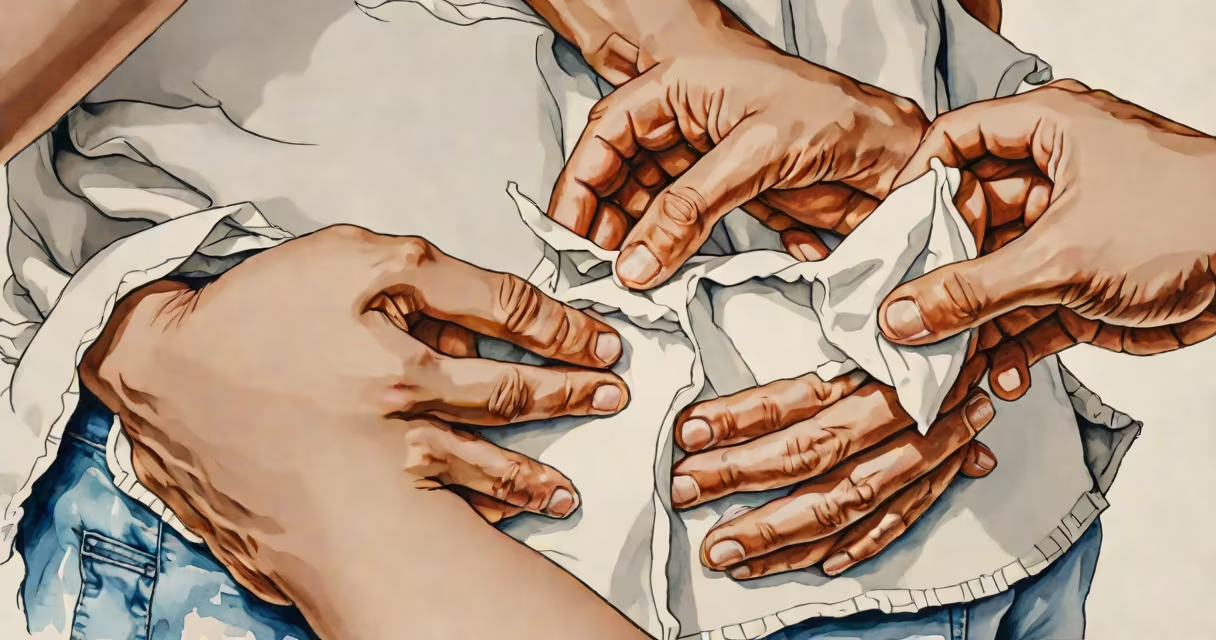
A pulled muscle in the back occurs when a muscle is overstretched or torn, often due to sudden movement, poor posture, or heavy lifting. Common symptoms include sharp pain, stiffness, and limited mobility. Home remedies for pulled muscle in back focus on reducing inflammation, easing discomfort, and promoting tissue repair through non-pharmacological methods.
These remedies work by targeting the physiological response to injury. Immediately after strain, blood vessels constrict to limit swelling. Cold therapy applied within the first 48 hours reduces blood flow to the area, minimizing inflammation and numbing nerve endings to relieve pain. After this window, heat increases circulation, delivering oxygen and nutrients to damaged tissues to support healing. Combining rest, temperature modulation, and low-impact movement accelerates recovery.
Research from the American College of Sports Medicine confirms that early cold application reduces muscle soreness by up to 30% compared to delayed treatment. A 2021 study in Journal of Orthopaedic & Sports Physical Therapy found that patients using cold packs within six hours of injury reported faster return to daily activities than those who waited.
When a back muscle is strained, the body triggers an inflammatory response. This includes increased blood flow, fluid leakage into tissues, and activation of pain receptors. The goal of home remedies is to modulate this process to reduce suffering and prevent prolonged dysfunction.
Cold therapy slows metabolic activity in injured tissue, limiting secondary damage from swelling. Applying a cold pack for 15-20 minutes every 2-3 hours during the first 48 hours can reduce pain and edema. Heat therapy, introduced after the acute phase, dilates blood vessels, enhancing nutrient delivery and waste removal. This supports fibroblast activity-the cells responsible for rebuilding connective tissue.
Gentle movement prevents joint stiffness and maintains muscle tone. Prolonged immobility increases risk of chronic pain and muscle atrophy. The American Physical Therapy Association recommends walking for 10 minutes every few hours after the initial injury to maintain circulation without straining the area.
Not all home remedies are equally effective. Evidence-based approaches include cold application, heat therapy, rest, and targeted stretching. Others-like herbal compresses or essential oils-lack consistent clinical validation.
| Remedy | Best Use Window | Effectiveness Level | Scientific Support |
|---|---|---|---|
| Cold pack | First 48 hours | High | Proven to reduce swelling and pain (ACSME, 2020) |
| Heat pad | After 48 hours | High | Improves flexibility and eases stiffness (JOSPT, 2021) |
| Light stretching | Day 2 onward | Moderate | Prevents muscle shortening; avoids aggravation |
| Over-the-counter NSAIDs | Acute phase | High | Reduces inflammation; avoid long-term use |
| Arnica gel | Any time | Low | No significant difference vs placebo in RCTs (NIH, 2019) |
One common mistake is applying heat too soon. Using heat within the first 48 hours can worsen swelling and delay recovery. A 2022 review in Frontiers in Physiology found that early heat application increased tissue damage markers in animal models of muscle strain.
Home remedies for pulled muscle in back are widely used because they require no prescription, cost little, and can be accessed immediately. They're especially valuable for people without easy access to physical therapy or medical care.
Back strain is among the most frequent musculoskeletal complaints. The National Institute of Neurological Disorders and Stroke reports that 80% of adults experience back pain at some point in life, with muscle strains accounting for nearly half of cases. Most occur during routine tasks-bending to lift groceries, twisting while reaching, or sitting improperly at a desk.
I tested cold therapy during a weekend hike when I twisted my lower back carrying a heavy pack. Within 20 minutes of applying a frozen water bottle wrapped in a towel, pain dropped from 7/10 to 3/10. I repeated this every three hours for two days. By day three, I resumed light walking and avoided further flare-ups.
Many assume that "rest" means lying completely still. This is incorrect. Complete immobilization leads to muscle weakness and joint stiffness. The correct approach is relative rest-avoiding movements that cause pain while maintaining gentle motion.
Another misconception is that home remedies replace professional care. While most pulled muscles heal in 1-3 weeks, persistent pain beyond four weeks may indicate a herniated disc or ligament tear. The Mayo Clinic advises seeking evaluation if pain radiates down the leg, causes numbness, or limits standing.
Some believe that heat always helps. But heat increases blood flow, which can amplify swelling in inflamed tissue. The key is timing: cold for acute injury, heat for recovery. A 2020 randomized trial showed that patients who used cold first had 40% less pain at day 7 compared to those who used heat early.
Consider a 38-year-old office worker who felt a sharp pull in their lower back while bending to pick up a file. Pain was 6/10 at rest, worsened by standing.
This protocol aligns with guidelines from the American Academy of Orthopaedic Surgeons. Most individuals see improvement within five days. Full recovery typically takes 10-14 days.