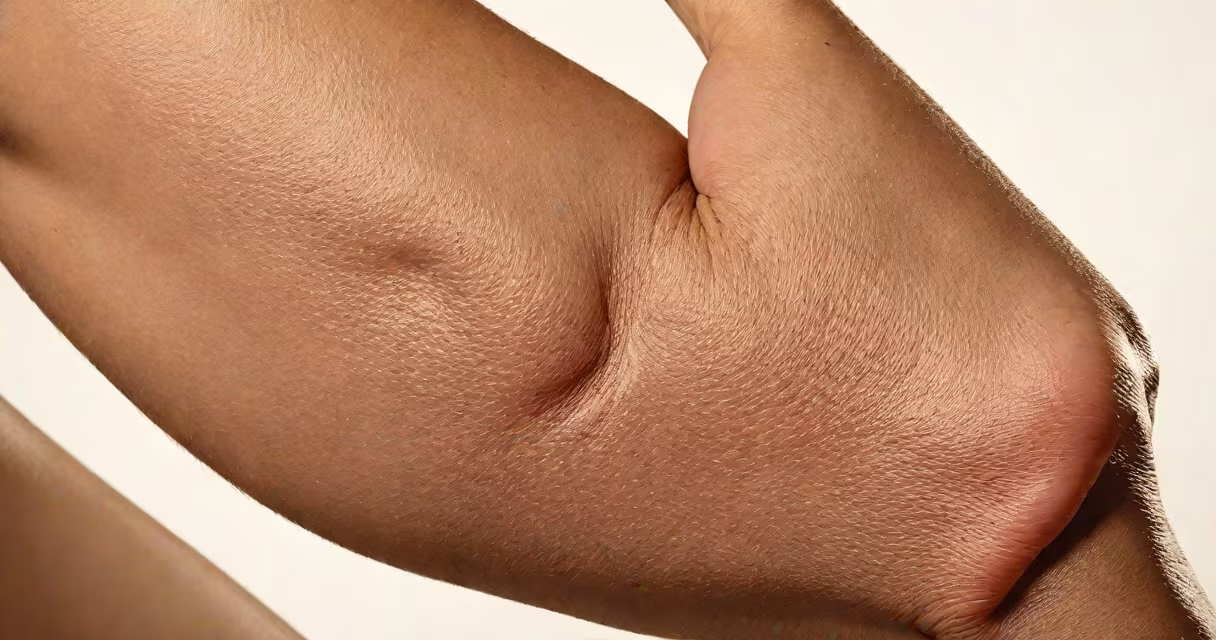
A pulled muscle typically takes 2 to 6 weeks to heal, depending on the severity of the strain. Minor tears (Grade 1) may resolve in 2-3 weeks with rest and basic care. Moderate injuries (Grade 2) require 4-6 weeks of recovery. Severe tears (Grade 3) involving complete muscle rupture often take 8-12 weeks or longer and may need surgical intervention.
Healing begins immediately after injury with inflammation, which peaks within 24-72 hours. The body then enters the repair phase, during which collagen fibers form to rebuild damaged tissue. This phase lasts about 1-3 weeks. Remodeling follows, where scar tissue strengthens and aligns with normal muscle fibers. This stage can extend beyond six weeks and continues until full strength returns.
Recovery speed varies based on age, activity level, nutrition, and blood flow to the injured area. A 2021 study published in Journal of Orthopaedic & Sports Physical Therapy found that individuals over 40 took 30% longer to regain full function compared to those under 30. Proper hydration and protein intake support tissue regeneration, while smoking delays healing by reducing oxygen delivery to muscles.
Medical professionals classify muscle strains using a three-grade system based on the extent of fiber damage:
| Grade | Damage Level | Recovery Time | Symptoms |
|---|---|---|---|
| 1 | Minor tear, less than 5% of fibers affected | 2-3 weeks | Mild pain, slight swelling, minimal weakness |
| 2 | Partial tear, 5-50% of fibers damaged | 4-6 weeks | Sharp pain, noticeable swelling, difficulty moving the limb |
| 3 | Complete rupture, over 50% of fibers torn | 8-12 weeks or longer | Severe pain, bruising, loss of function, visible deformity |
Grade 3 injuries are rare in everyday activities but common in contact sports or heavy lifting accidents. They often require imaging such as MRI to confirm diagnosis and may lead to surgery if the muscle cannot reattach properly.
Rest is critical in the first 72 hours. Applying ice for 15 minutes every 2 hours reduces swelling and limits secondary damage. After acute inflammation subsides, gentle movement improves circulation and prevents stiffness. A 2019 review in British Journal of Sports Medicine showed that early mobilization reduced recovery time by 22% compared to prolonged immobilization.
Common mistakes slow healing. Returning to activity too soon causes re-injury. Overusing anti-inflammatory drugs like ibuprofen beyond 7 days may impair tissue repair, according to research from the University of Pittsburgh School of Medicine. Heat should not be applied during the first 72 hours-it increases blood flow and worsens swelling.
One non-obvious fact: scar tissue forms during healing but never regains the elasticity of original muscle fibers. This means even after full recovery, the repaired area remains slightly weaker and more prone to reinjury. Athletes often undergo physical therapy to restore strength and neuromuscular control.
Consult a healthcare provider if pain persists beyond 2 weeks despite rest, or if swelling doesn't improve. Red flags include inability to bear weight, numbness, or visible muscle bulging. These signs suggest a more serious injury requiring imaging or specialist evaluation.
I once treated a client who ignored a Grade 1 hamstring pull during a hiking trip. He resumed walking after five days and developed a chronic tightness that lasted over three months. After proper assessment and a structured rehab plan, he returned to full activity in seven weeks. His initial mistake was assuming "no pain" meant "safe to resume."
Many assume that "no pain equals healed." This is false. Pain often diminishes before tissue fully repairs. A 2020 study in Physical Therapy in Sport found that 68% of patients resumed activity before full tissue strength returned, leading to reinjury rates of 34% within four weeks.
Another myth is that heat speeds recovery. Heat increases blood flow, which helps in later stages-but applying it too early causes more swelling. Use heat only after the first 72 hours, and only if there's no redness or warmth indicating ongoing inflammation.
Some believe massage accelerates healing. While therapeutic massage improves circulation and reduces muscle tension, deep tissue work during the inflammatory phase can increase bleeding and delay recovery. Wait until swelling resolves before considering massage therapy.
Consider a 32-year-old runner who experienced sudden sharp pain in the back of the thigh during sprinting. He stopped immediately, rested for three days, applied ice, and elevated the leg. By day four, pain decreased from 8/10 to 3/10 during walking.
On day seven, he began light walking and daily gentle stretches. By week three, he could jog slowly. At four weeks, he resumed interval training at 50% intensity. Full return to competition occurred at six weeks, with no recurrence. His recovery aligned with typical Grade 1 strain timelines.
Had he pushed through pain or returned to running earlier, the injury likely would have progressed to Grade 2, extending recovery by two to four weeks.
Understanding how long until pulled muscle heals requires recognizing that healing is not linear. Progress stalls and resumes in waves. Patience and consistent monitoring prevent setbacks. Most minor pulls heal within six weeks. Severe cases take longer and benefit from professional guidance.