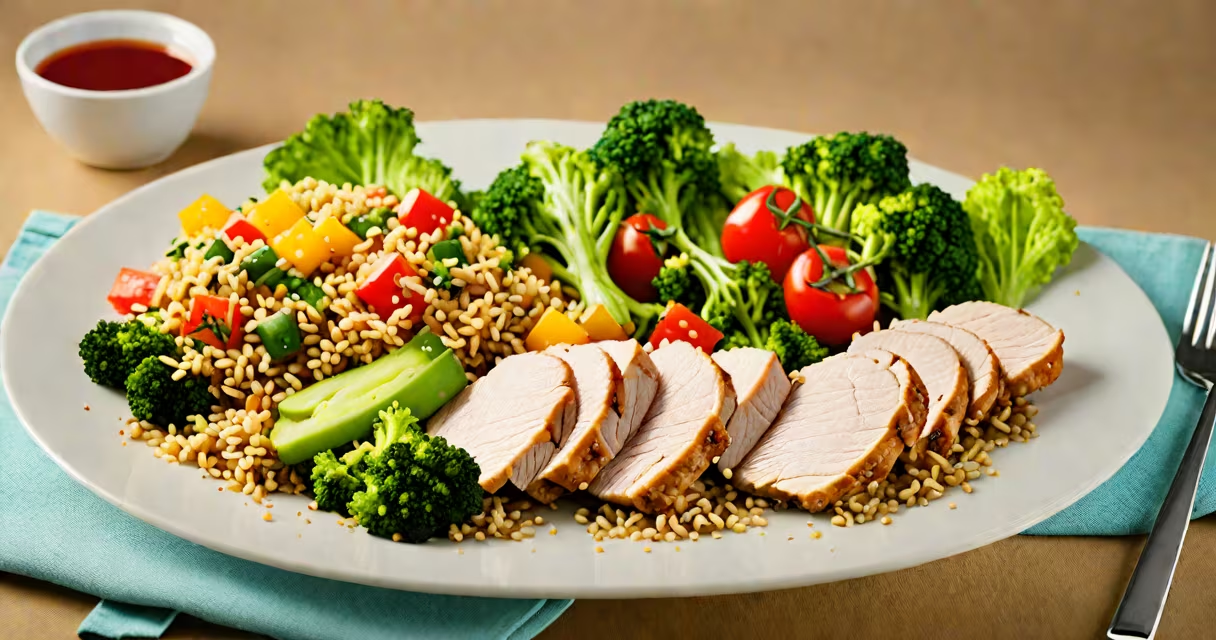
If you have irritable bowel syndrome (IBS), eating the right foods reduces bloating, cramping, and irregular bowel movements. Focus on low FODMAP options, easily digestible proteins, and soluble fiber-rich produce to stabilize gut function.
IBS affects about 11% of the global population, according to the Rome Foundation, and dietary triggers are among the most common contributors to symptom flares. The condition alters gut motility and sensitivity, making certain foods harder to process. Not all digestive discomfort stems from food, but eliminating known irritants improves quality of life for many patients.
Research from the American Journal of Gastroenterology shows that 75% of IBS patients report symptom improvement after following a structured elimination diet. The most effective approach targets fermentable carbohydrates called FODMAPs-fructans, lactose, fructose, polyols, and galacto-oligosaccharides-that feed gut bacteria and cause gas and distension. A low FODMAP diet reduces symptoms in 70% of cases, per a 2020 study published in Gut.
Low FODMAP foods limit short-chain carbohydrates that aren't absorbed in the small intestine. These undigested carbs travel to the colon, where gut bacteria ferment them, producing gas and drawing water into the bowel. This leads to bloating, pain, diarrhea, or constipation-common IBS symptoms.
For example, garlic and onions contain fructans, which are high in FODMAPs. Replacing them with garlic-infused oil or chives (low FODMAP) reduces fermentation without sacrificing flavor. Similarly, lactose in milk and soft cheeses can trigger diarrhea in people with lactase deficiency, a frequent comorbidity in IBS.
A 2019 clinical trial showed that participants who followed a low FODMAP diet for six weeks reported a 60% reduction in abdominal pain and a 50% decrease in bloating. The protocol involves an initial restriction phase, then systematic reintroduction of FODMAP groups to identify personal triggers.
Not all carbohydrates are problematic. Soluble fiber, such as that found in oats and bananas, slows digestion and adds bulk to stool-helpful for both diarrhea-predominant and constipation-predominant IBS. Insoluble fiber, like that in wheat bran, may worsen symptoms in sensitive individuals.
| Foods to Eat | Foods to Avoid |
|---|---|
| White rice, quinoa, oats | Barley, rye, wheat (high FODMAP) |
| Carrots, zucchini, spinach | Onions, garlic, leeks (fructan-rich) |
| Chicken, turkey, eggs | Processed meats with added sugars or preservatives |
| Pears, blueberries, oranges | Apples, mangoes, cherries (high fructose) |
Protein sources like skinless chicken breast, boiled eggs, and canned tuna in water are well-tolerated. Plant-based proteins such as lentils and chickpeas are high in FODMAPs and should be limited unless soaked and thoroughly cooked.
Some people mistakenly believe that spicy foods cause IBS. While capsaicin can irritate the gut lining in sensitive individuals, it's not a primary trigger. Instead, focus on FODMAPs and fat content-fatty meals delay gastric emptying and increase colonic contractions.
Many assume that "natural" means safe. But honey, agave syrup, and fruit juices are high in fructose and can worsen diarrhea. Even seemingly healthy foods like almond milk (often sweetened with fructose) can trigger symptoms.
Another error is eliminating entire food groups without guidance. Cutting out dairy entirely may mask lactose intolerance, but it removes calcium and vitamin D sources. A better strategy is using lactose-free alternatives or taking lactase supplements with meals.
I've seen patients eliminate gluten-containing grains despite no celiac diagnosis. Gluten itself doesn't cause IBS in non-celiacs, but some people report relief due to reduced FODMAP intake in wheat. The benefit comes from lowering fermentable carbs-not from avoiding gluten per se.
Consider Sarah, a 34-year-old with IBS-C (constipation-predominant). She kept a food diary and identified beans, apples, and whole wheat bread as triggers. After removing these, her bowel movements improved from once every three days to daily.
She replaced wheat toast with gluten-free oats and added chia seeds (one tablespoon daily) for soluble fiber. Her breakfast became scrambled eggs with spinach and a side of peeled pear (low FODMAP). For lunch, she ate grilled chicken salad with cucumbers, carrots, and olive oil dressing. Dinner was baked cod with mashed cauliflower and steamed green beans.
After four weeks, Sarah reported 80% fewer flare-ups. She later reintroduced small amounts of garlic and onion in cooking and found tolerance increased over time. This illustrates that long-term management is about balance, not permanent restriction.
When managing IBS, avoid assuming all processed foods are bad. Some low-FODMAP packaged items-like rice cakes, gluten-free pasta, and canned beans labeled "low FODMAP"-can fit into a balanced plan. Always check ingredient lists for hidden sugars and additives.
Knowing what to eat with IBS isn't about perfection-it's about consistency, awareness, and gradual adaptation. Focus on whole, minimally processed foods that align with your body's tolerance. Over time, you'll build a reliable list of go-to meals that reduce discomfort and improve daily functioning.