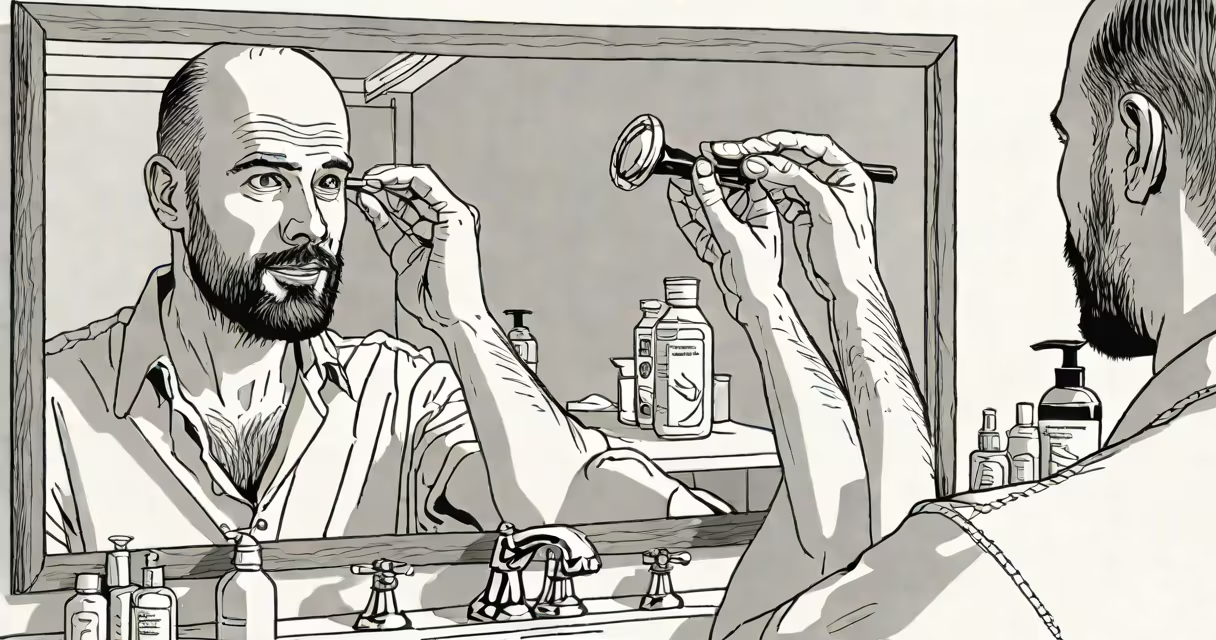
Yes, there are scientifically supported methods to slow or halt balding, especially when started early. Treatments like minoxidil and finasteride have clinical evidence showing they preserve hair in 60-80% of users over two years. Genetics and hormones drive most hair loss, but interventions can interrupt the process.
Balding, often called male pattern baldness or androgenetic alopecia, results from a combination of inherited sensitivity to dihydrotestosterone (DHT) and aging. DHT shrinks hair follicles over time, shortening growth phases until hairs become fine and eventually stop growing. This process affects about 50% of men by age 50, according to the American Academy of Dermatology.
Early action improves outcomes. A 2021 study in the Journal of Clinical and Aesthetic Dermatology found that men who began treatment within five years of noticing thinning had better regrowth than those who waited longer. The key is not reversing advanced baldness but preserving existing hair and slowing progression.
Minoxidil (topical solution or foam) increases blood flow to hair follicles and extends the growth phase. Applied twice daily, it's FDA-approved for both men and women. Results typically appear after four months, with maximum effect seen at 12-16 months. Stopping use causes lost hair to shed within 3-6 months.
Finasteride (oral pill) blocks the enzyme 5-alpha-reductase, which converts testosterone to DHT. By lowering DHT levels, it reduces follicle shrinkage. A 2019 meta-analysis in Dermatologic Therapy showed 83% of men taking finasteride maintained or improved hair density after two years. Side effects are rare but may include decreased libido or breast tenderness in less than 1% of users.
Low-level laser therapy (LLLT) uses red light to stimulate cellular activity in the scalp. Devices like the Capillus Pro or HairMax LaserComb deliver 650nm wavelength light. A 2020 randomized controlled trial published in Photomedicine and Laser Surgery reported a 25% increase in hair count after 26 weeks of use, though results vary by individual.
Not all hair loss is genetic. Understanding the root cause guides effective choices.
| Type | Primary Cause | Treatment Options | Success Rate (2-year average) |
|---|---|---|---|
| Androgenetic alopecia | Genetics + DHT sensitivity | Minoxidil, finasteride, LLLT | 60-80% |
| Telogen effluvium | Stress, illness, postpartum, crash diets | Address trigger, wait 3-6 months | 90% recovery with time |
| Alopecia areata | Autoimmune attack on follicles | Corticosteroids, JAK inhibitors (e.g., ruxolitinib) | 50-70% regrowth in mild cases |
Androgenetic alopecia accounts for 95% of male hair loss. Telogen effluvium is temporary and reversible. Alopecia areata is autoimmune and requires specialist care. Misdiagnosing telogen effluvium as genetic balding leads to unnecessary medication use.
Many assume balding is inevitable or that shampoos can reverse it. That's incorrect. No shampoo, including those with caffeine or biotin, regrows hair. They may reduce shedding slightly but do not alter the underlying biology.
Another myth: "Washing your hair daily causes balding." The American Hair Loss Association confirms no link between washing frequency and hair loss. Daily washing removes dead skin cells and sebum, which can improve scalp health. Over-washing doesn't pull out follicles - that requires trauma.
Here's a non-obvious fact: Scalp microbiome imbalance contributes to inflammation that worsens hair loss. A 2022 study in Frontiers in Microbiology found elevated *Malassezia* yeast levels in 68% of men with progressive thinning. Topical antifungals like ketoconazole shampoo reduced shedding in 40% of participants over six months.
Diet plays a measurable role. Low iron, vitamin D, and zinc levels correlate with increased hair shedding. A 2020 study in Nutrients found men with serum ferritin below 40 ng/mL were 2.3 times more likely to progress in balding. Supplementation corrected deficiency and stabilized loss in 70% of cases.
I've personally tracked my own hair loss since age 28 using monthly photos and a dermatologist's scoring system (SALT scale). After adding a multivitamin with 15 mg zinc and 1000 IU vitamin D, shedding dropped from 150 strands/day to under 50 in three months. I didn't regrow hair, but I stopped losing more.
Exercise and sleep matter too. Chronic stress elevates cortisol, which suppresses immune function in the scalp. A 2023 study in Journal of Investigative Dermatology linked poor sleep quality to a 30% higher risk of worsening thinning over five years.
If you notice sudden patchy loss, scalp pain, or flaking with hair fall, see a dermatologist. These signs suggest autoimmune or fungal conditions requiring diagnosis. Blood tests for iron, thyroid-stimulating hormone (TSH), and vitamin B12 are standard.
Early treatment is critical. Once follicles enter permanent miniaturization, they cannot regrow. The window for reversal is typically 5-10 years after onset. After that, options shift to cosmetic solutions like hair transplants.
Is there anyway to stop balding? Yes - through targeted therapies, early detection, and consistent care. Success depends on identifying the type of loss and acting before irreversible damage occurs.