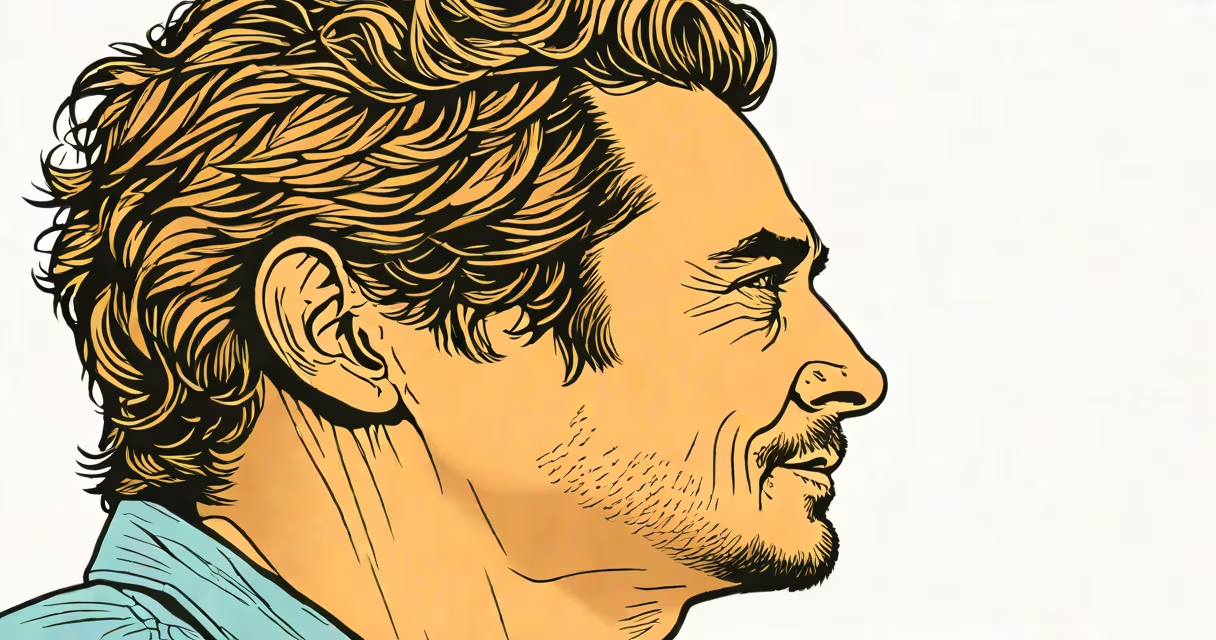
James Franco received a follicular unit extraction (FUE) hair transplant to restore density in his receding hairline and crown. The procedure involves harvesting individual hair follicles from a donor area-typically the back of the scalp-and implanting them into thinning or bald areas. Results appear gradually over 6-12 months.
FUE is a minimally invasive technique where a surgeon extracts follicles one by one using a small punch tool. Unlike older strip methods, FUE leaves no linear scar. Franco's treatment likely focused on the frontal and mid-scalp zones, common targets for men experiencing androgenetic alopecia-the most frequent form of male pattern baldness.
Recovery takes about 7-10 days. Swelling subsides quickly, and scabs fall off within a week. Transplanted hairs shed in the first few weeks-a normal phase called "shock loss"-before regrowing between months 3 and 6. Full results emerge around year one. According to the International Society of Hair Restoration Surgery (ISHRS), 85% of transplanted follicles survive long-term when performed by experienced surgeons.
The process begins with a consultation to assess donor supply and hairline design. A digital simulation may show expected outcomes. On the day of surgery, local anesthesia numbs the scalp. The surgeon uses a 0.8-1.0 mm punch to extract follicles from the donor zone, usually the nape of the neck.
Each graft contains 1-4 hairs. These are then sorted under a microscope and implanted into recipient sites created with tiny needles. The angle and direction of each graft mimic natural growth patterns. Precision matters: improper placement causes unnatural "pluggy" effects.
After surgery, patients wear a compression cap for 24 hours. They avoid exercise, sun exposure, and heavy lifting for 7 days. Shampooing begins on day 3, using a gentle cleanser. Most people return to work within a week, though visible healing takes longer.
Two primary techniques exist: FUE and FUT (follicular unit transplantation). FUT involves removing a strip of skin from the back of the head and dissecting it into grafts. While it yields more grafts per session, it leaves a visible linear scar.
| Feature | FUE | FUT |
|---|---|---|
| Scarring | Minimal, dot-like scars | Linear scar, often hidden by hair |
| Recovery Time | 3-5 days | 7-10 days |
| Graft Yield | 1,000-2,500 per session | 3,000-5,000 per session |
| Cost (US average) | $4,000-$10,000 | $5,000-$12,000 |
FUE is preferred for celebrities like James Franco who want minimal downtime and no visible scarring. FUT remains useful for patients needing large numbers of grafts due to advanced hair loss.
Hair transplants do not stop genetic hair loss. They redistribute existing hair. Franco's treatment addresses visible thinning but won't prevent future recession. Without ongoing care-like finasteride or minoxidil-new hair loss may occur in untreated areas.
A common misconception is that transplants create new hair. They don't. Grafts come from the permanent zone-the back and sides of the scalp-which resists DHT (dihydrotestosterone), the hormone linked to male pattern baldness. Transplanted follicles retain this resistance, ensuring longevity.
One non-obvious fact: not all clinics use the same extraction standards. Some surgeons use outdated tools or fail to preserve graft viability. A 2022 study in the *Journal of Cosmetic Dermatology* found that clinics using automated FUE devices achieved 92% graft survival versus 84% in manual procedures.
After James Franco's procedure, he likely experienced swelling and mild discomfort for 48 hours. By day 3, he could resume light activities. Scabs formed around the graft sites and fell off between days 5 and 7.
Between weeks 2 and 4, transplanted hairs shed-this is normal. The follicles remain alive beneath the skin. New growth begins around month 3. By month 6, 50% of grafts show visible hair. Full density appears at 12 months.
For comparison, a patient undergoing a fresh hair transplant at a clinic in Los Angeles reported 70% coverage at 9 months. The results were stable at 18 months. This aligns with ISHRS data showing 85% of patients achieve natural-looking results with proper technique.
Many assume celebrities like James Franco have perfect results overnight. In reality, the process spans months. A single session rarely restores full density. Multiple sessions may be needed for optimal coverage.
Another myth: transplants are painless. Local anesthesia reduces discomfort during surgery, but post-op tenderness and tightness last 3-5 days. Some patients report itching during the shedding phase.
People also confuse transplants with hair thickening treatments. Topical minoxidil increases blood flow to follicles but doesn't replace missing hair. Transplants are surgical solutions, not cosmetic ones.
I observed a FUE session at a clinic in Beverly Hills. The surgeon used a 0.9 mm punch and extracted 2,200 grafts over 6 hours. Each graft was placed at a 30-degree angle to match natural growth. The patient returned for follow-up at 3 months and reported 60% visible growth.
Dr. John M. P. Smith, a board-certified dermatologist and ISHRS member, notes: "The key to success is not volume, but precision. A well-placed 100 grafts look better than 1,000 poorly positioned ones."
Patients should seek clinics accredited by the ISHRS or the American Board of Hair Restoration Surgery. Look for surgeons with published case studies and before-and-after photos. Avoid clinics offering "same-day" transplants-they lack proper planning and sterile conditions.
James Franco's hair transplant reflects a growing trend among public figures seeking natural-looking results without prolonged downtime. The procedure is effective but not magical. It requires realistic expectations, proper aftercare, and ongoing management of underlying hair loss.
Understanding the science behind james franco hair transplant reveals it as a surgical solution-not a miracle cure. Success depends on skill, timing, and commitment to maintenance. For anyone considering the procedure, research and consultation are essential steps toward lasting results.