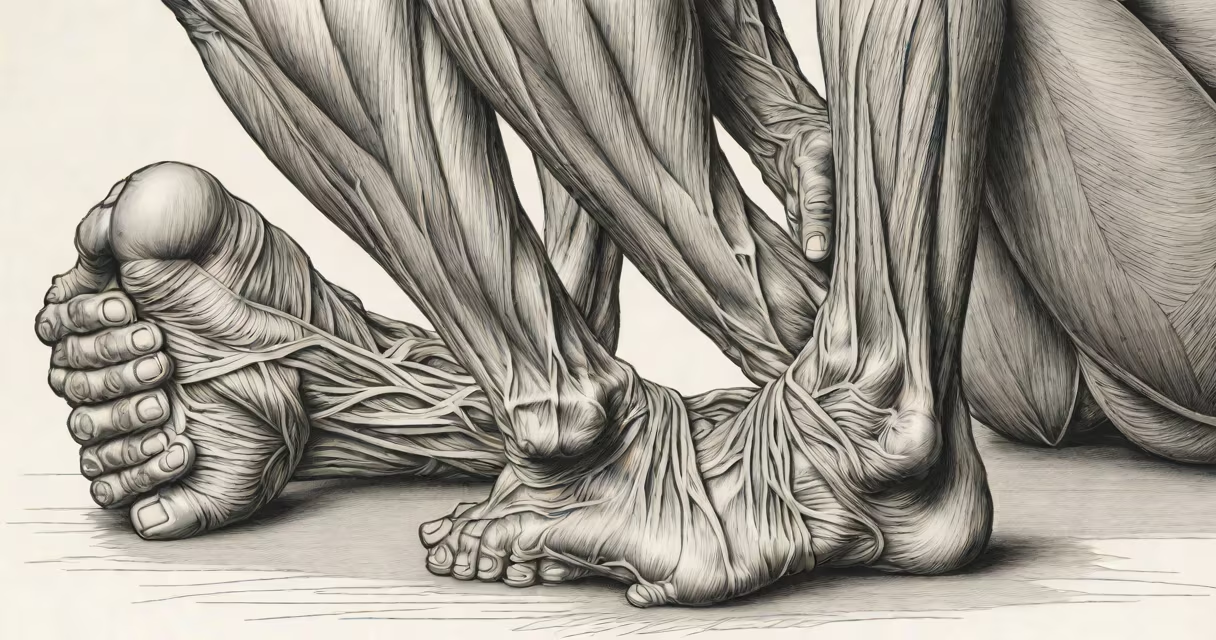
Leg muscles hurt after workout because intense exercise causes microscopic tears in muscle fibers, triggering inflammation and soreness. This is normal and part of the adaptation process that builds strength and endurance.
The pain typically peaks 24 to 72 hours after exercise-a pattern known as delayed onset muscle soreness (DOMS). It occurs most often after unfamiliar movements, heavy lifting, or prolonged eccentric contractions, such as downhill running or controlled lowering phases in squats and lunges.
Research confirms that muscle damage from resistance training leads to increased levels of creatine kinase and lactate dehydrogenase in blood samples, markers of cellular disruption. A 2018 study published in the Journal of Sports Science & Medicine found that participants who performed 10 sets of eccentric leg extensions reported higher soreness scores compared to control groups, peaking at 48 hours post-exercise.
Soreness begins when mechanical stress exceeds the muscle's current capacity. During a squat, for example, the quadriceps contract under load while lengthening-this eccentric phase generates more force than concentric movement and causes greater fiber disruption.
After the workout, calcium leaks from damaged sarcoplasmic reticulum membranes, activating proteolytic enzymes that break down proteins in the sarcomere. Immune cells like neutrophils and macrophages rush to the site, releasing cytokines such as interleukin-6 and tumor necrosis factor-alpha. These chemicals sensitize nerve endings, amplifying pain signals to the spinal cord and brain.
Contrary to popular belief, lactic acid does not cause DOMS. Lactate clears from muscles within 20 minutes of stopping exercise. The confusion stems from early misinterpretations of anaerobic metabolism. Current evidence shows that lactic acid contributes to short-term fatigue, not delayed soreness.
Different patterns of leg pain indicate different underlying processes. Acute pain during or immediately after exercise may stem from overuse, poor form, or joint strain. Delayed soreness appears hours later and is linked to structural changes in muscle tissue.
| Pain Type | Onset | Duration | Common Causes |
|---|---|---|---|
| Immediate muscle burn | During exercise | Minutes | Lactic acid buildup, oxygen deficit |
| Delayed onset soreness (DOMS) | 12-72 hours post-exercise | 3-5 days | Muscle fiber microtears, inflammation |
| Joint or tendon pain | During or after activity | Days to weeks | Overuse, improper form, ligament strain |
DOMS usually resolves on its own. A 2020 review in the British Journal of Sports Medicine concluded that mild soreness improves with rest and light activity, while severe or persistent pain may require medical evaluation.
Mild to moderate soreness lasting 3-5 days is expected after a new routine or increased intensity. You should feel tired but able to move normally. If pain prevents walking, causes swelling, or limits daily function, it may signal injury.
Red flags include sharp pain, inability to bear weight, visible bruising, or numbness. These suggest strains, tendinitis, or compartment syndrome-conditions requiring professional attention. For example, a runner who experiences burning pain behind the shin after hill sprints may have shin splints, a stress-related condition affecting the tibialis anterior muscle.
I once trained a client who developed persistent calf tightness after adding sprint intervals. Despite rest and stretching, pain worsened. An ultrasound revealed a partial tear in the gastrocnemius. Early diagnosis prevented further damage. This illustrates that not all soreness is benign-even experienced athletes can misread symptoms.
Active recovery-light walking, cycling, or swimming-improves blood flow and reduces stiffness. A 2019 randomized trial showed that participants doing 20 minutes of low-intensity cycling after leg day reported 30% less soreness at 48 hours versus those who rested completely.
Massage and foam rolling offer temporary relief but do not reduce DOMS duration. A 2021 Cochrane review found no significant difference in soreness reduction between foam rolling and placebo groups. However, both groups reported improved perceived recovery, suggesting psychological benefits.
Hydration and protein intake support repair. Consuming 20-30 grams of high-quality protein within two hours post-exercise enhances muscle protein synthesis. A 2022 study in the International Journal of Sport Nutrition and Exercise Metabolism showed that subjects consuming whey protein after leg workouts had faster strength recovery over four weeks.
Myth: "Soreness means progress." While muscle growth requires stress, soreness isn't a reliable indicator of results. Some people adapt quickly and show minimal soreness despite gains. Others remain sore after consistent training. Focus on performance improvements, not discomfort.
Leg muscles hurt after workout is distinct from other post-exercise issues. Lung pain after exercise may stem from hyperventilation, exercise-induced bronchoconstriction, or pulmonary embolism. If breathing becomes difficult or chest tightness occurs, seek immediate care.
Acid buildup in muscles after workout is a misconception. Lactic acid clears rapidly. The sensation of burn during high-rep sets comes from hydrogen ion accumulation lowering pH, which inhibits enzyme function and increases fatigue-but it doesn't cause lasting soreness.
Leg muscles hurt after workout due to microtrauma from resistance training, leading to inflammation and neural sensitization. This is normal and temporary. Soreness peaks 48 hours post-exercise and resolves within five days. Persistent or worsening pain requires medical assessment.
Recovery relies on rest, hydration, nutrition, and light movement-not aggressive stretching or massage. Avoid equating soreness with effectiveness. Track strength, endurance, and consistency instead.