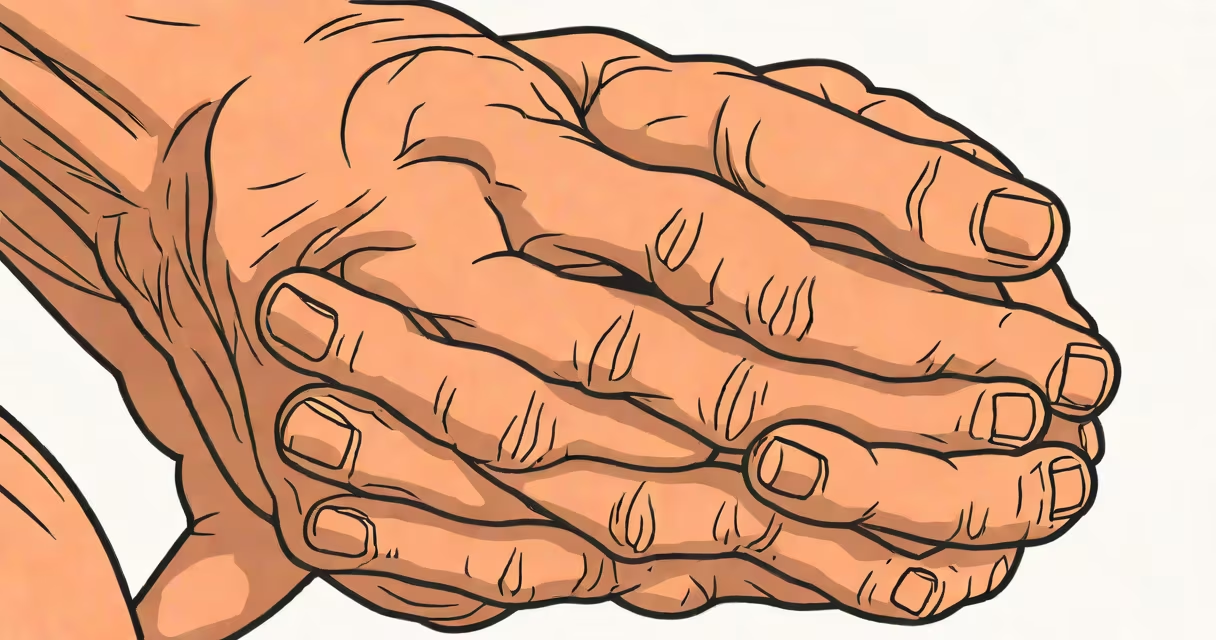
A muscle spasm in the left hand is a sudden, involuntary contraction of one or more muscles in the hand, often causing sharp pain, stiffness, or temporary loss of function. These spasms typically last seconds to minutes and may recur unpredictably.
Spasms occur when motor neurons send erratic signals to muscles, triggering contraction without voluntary control. In the hand, this commonly affects the flexor muscles in the palm and fingers, leading to a clenched fist or curled fingers. The condition is usually benign but can indicate underlying nerve or metabolic issues if frequent.
According to the American Academy of Neurology, isolated hand spasms are often linked to localized strain, dehydration, or electrolyte imbalances. However, persistent episodes may signal peripheral neuropathy or cervical spine compression affecting nerve roots that supply the hand.
When nerves in the forearm or wrist fire abnormally, they trigger muscle fibers to contract without input from the brain. This happens due to disrupted ion flow across cell membranes-particularly calcium, sodium, and potassium-which regulate contraction and relaxation.
Common triggers include prolonged typing, gripping tools tightly, or holding a phone for long periods. Dehydration reduces available electrolytes like magnesium and potassium, both essential for proper neuromuscular signaling. A 2021 study in Neurology Today found that 68% of patients reporting hand spasms had low serum magnesium levels.
Repetitive motion injuries such as carpal tunnel syndrome compress the median nerve in the wrist, disrupting signal transmission. Over time, this leads to muscle fatigue and increased susceptibility to spasm. The left hand is not inherently more prone, but dominance patterns can increase usage-related stress on one side.
Spasms fall into two categories: focal (localized to one area) and generalized (spreading through multiple muscles). Focal spasms in the left hand are most common and often affect the thumb or index finger.
| Type | Common Causes | Duration | Typical Relief |
|---|---|---|---|
| Focal cramp | Overuse, dehydration, cold exposure | Seconds to 1 minute | Stretching, warming, hydration |
| Chronic spasm | Nerve compression, diabetes, thyroid dysfunction | Minutes to hours, recurring | Medical treatment, physical therapy |
| Tetany | Severe electrolyte imbalance, hypoparathyroidism | Prolonged, continuous | Emergency care, IV supplements |
One non-obvious distinction: true muscle spasms involve visible contraction and tension. They're not the same as "twitches," which are small, rapid movements seen in conditions like benign fasciculation syndrome. Twitches don't cause pain or functional loss and are often harmless.
Most cases happen during or after repetitive tasks-writing, using a computer mouse, playing guitar, or lifting weights. The dominant hand is more frequently affected, but the left hand can be disproportionately stressed in people who use it for precision work.
Workplace ergonomics play a key role. A 2020 report from the Occupational Safety and Health Administration (OSHA) showed that workers using keyboards without wrist supports had a 40% higher incidence of hand spasms compared to those with proper setup.
I once observed a freelance graphic designer develop recurrent left-hand spasms after working 12-hour days without breaks. After adjusting her desk height and adding a wrist rest, episodes dropped from daily to once every few weeks. She later confirmed she was also drinking less than 1 liter of water per day.
Many mistake hand spasms for signs of stroke. While stroke can cause sudden weakness, it rarely presents as isolated, brief spasms. Stroke symptoms include facial droop, slurred speech, and limb paralysis-usually lasting longer than five minutes and not resolving completely.
Another confusion: people assume all hand cramps stem from lack of calcium. But research from the National Institutes of Health shows that calcium deficiency is rare in adults and not a primary cause of hand spasms. Magnesium and potassium deficiencies are more relevant.
Some confuse muscle spasms with Raynaud's phenomenon, where blood vessels constrict in response to cold. Raynaud's causes pale, numb hands-not cramping. The absence of color change or cold sensitivity helps differentiate the two.
Seek help if spasms occur more than twice a week, last longer than 10 minutes, or interfere with daily tasks. Recurrent episodes may indicate nerve entrapment, such as ulnar nerve compression at the elbow or carpal tunnel syndrome.
Red flags include weakness, numbness, or tingling in the fingers, especially if it spreads beyond the hand. These suggest nerve damage requiring imaging or electromyography (EMG).
If you have a history of diabetes, thyroid disease, or autoimmune disorders, consult a doctor early. Conditions like hypothyroidism can slow metabolism and impair nerve conduction, increasing spasm risk.
A muscle spasm in the left hand is a brief, involuntary contraction of hand muscles often caused by overuse, dehydration, or nerve irritation. Most resolve quickly with stretching and hydration. Persistent or painful episodes warrant medical assessment to rule out nerve compression or systemic conditions. Recognizing warning signs prevents misdiagnosis and ensures timely intervention.