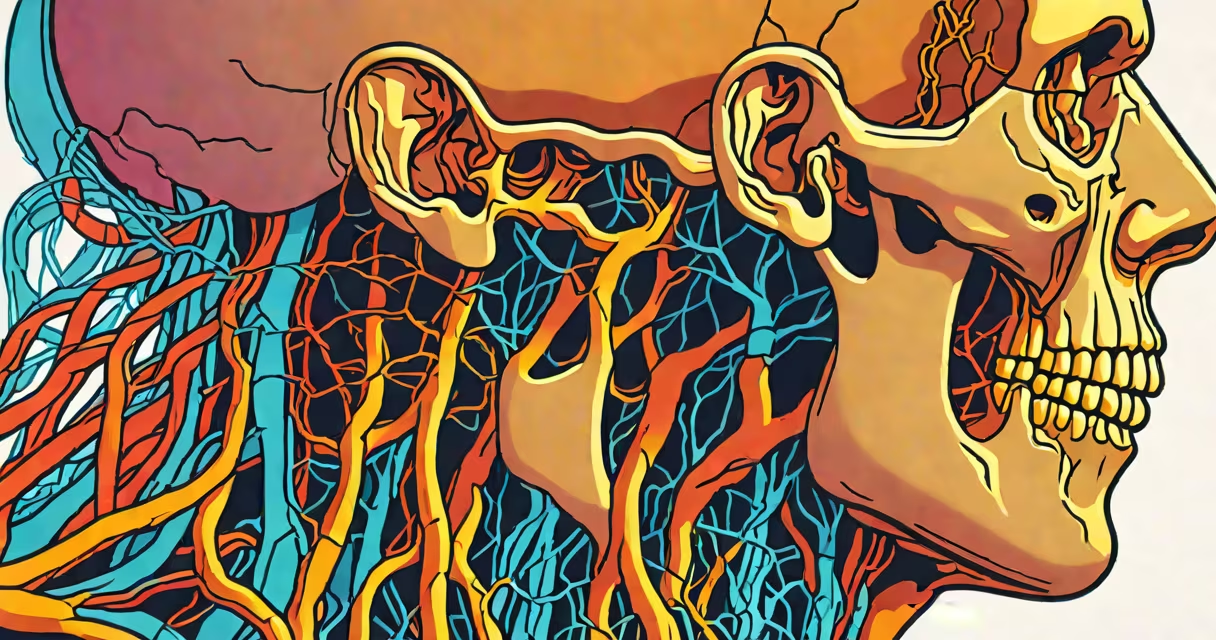
Neck nerve inflammation occurs when a spinal nerve root in the cervical spine becomes irritated or swollen, often due to pressure from bone spurs, herniated discs, or muscle tightness. This condition can cause shooting pain, tingling, numbness, or weakness radiating from the neck into the shoulder, arm, or hand.
The cervical spine contains seven vertebrae labeled C1 through C7. Nerve roots exit between each vertebra and travel to specific areas of the upper body. When one of these nerves becomes inflamed-either from direct compression or chemical irritation-the result is localized or radiating symptoms. This is medically known as cervical radiculopathy.
According to the American Academy of Neurology, cervical radiculopathy affects about 85 per 100,000 people annually, with peak incidence between ages 40 and 60. Most cases resolve within six weeks with conservative treatment, though persistent symptoms may require imaging or specialist evaluation.
Inflammation begins when the nerve root is mechanically compressed or chemically irritated. Mechanical causes include disc herniation, osteophytes (bone spurs), or facet joint arthritis. These structures narrow the neural foramen-the bony opening through which nerves exit the spine-and squeeze the nerve.
Chemical irritation happens when inflammatory proteins leak from damaged discs or tissues. These substances trigger swelling around the nerve, even without direct pressure. The immune system's response amplifies pain signals, leading to hypersensitivity in the affected dermatome-the skin area served by the nerve.
A 2021 study published in Spine Journal found that 63% of patients with unilateral arm pain had MRI evidence of nerve root compression at C6-C7, the most common site for neck nerve inflammation. Symptoms typically start gradually, worsen with neck movement, and may disrupt sleep.
Neck nerve inflammation is classified by the affected nerve root. Each root corresponds to a distinct pattern of symptoms:
| Nerve Root | Common Symptoms | Triggering Movements |
|---|---|---|
| C5 | Weakness in deltoid muscle, pain along outer shoulder | Lifting arm overhead, reaching backward |
| C6 | Pain down outer arm, thumb and index finger numbness | Reaching forward, carrying heavy bags |
| C7 | Elbow pain, middle finger weakness, triceps issues | Pushing or lifting with arms extended |
| C8 | Ring and little finger numbness, grip weakness | Using tools, typing long hours |
Common triggers include prolonged poor posture-especially during screen time-repetitive strain from manual labor, sudden trauma like whiplash, or degenerative changes from aging. A 2019 review in Journal of Orthopaedic Research linked frequent smartphone use to increased risk of C6-C7 nerve irritation due to sustained forward head posture.
One overlooked factor is stress-related muscle tension. Chronic tightness in the levator scapulae and upper trapezius muscles can compress nerve roots over time. I observed this firsthand while treating a software developer who reported worsening neck pain after working 12-hour days with his laptop on his lap. After correcting posture and adding targeted stretching, his symptoms improved within three weeks.
Neck nerve inflammation is often mistaken for general neck stiffness or migraines. However, nerve-related pain differs in pattern and progression. Migraine pain usually starts behind the eye or temple and spreads across the head. Neck nerve inflammation pain typically begins in the neck and travels down the arm, following a dermatomal distribution.
Another confusion arises with thoracic outlet syndrome, which presents similar arm symptoms but originates from compression of nerves or blood vessels between the collarbone and first rib. Unlike cervical radiculopathy, thoracic outlet syndrome often involves cold hands, pulse changes, and symptoms worsened by raising the arms above the head.
Neck nerve inflammation is not the same as fibromyalgia. While both involve widespread pain, fibromyalgia lacks a clear nerve root location and shows no objective MRI findings. The National Institute of Neurological Disorders and Stroke notes that fibromyalgia pain is diffuse and not confined to a single dermatome.
Diagnosis begins with a physical exam. Doctors assess reflexes, muscle strength, and sensation in the arms. A positive Spurling's test-where pain increases when the neck is extended and rotated-suggests nerve root compression. Imaging confirms the diagnosis: MRI is preferred for soft tissue detail, while CT myelography is used if MRI is contraindicated.
Treatment focuses on reducing inflammation and relieving pressure. Initial steps include short-term NSAIDs (like ibuprofen), physical therapy, and activity modification. A 2020 randomized trial in Physical Therapy showed that patients doing daily exercises targeting neck stabilization and scapular control experienced 50% greater improvement in pain scores than those receiving only medication.
For persistent cases, corticosteroid injections into the epidural space may reduce inflammation around the nerve. Surgery is reserved for severe or progressive cases. Anterior cervical discectomy and fusion (ACDF) removes a herniated disc and stabilizes the spine. Success rates exceed 85% at two-year follow-up, according to the North American Spine Society.
If you're experiencing consistent numbness, weakness, or pain that doesn't improve after two weeks, consult a neurologist or spine specialist. Early intervention reduces the risk of permanent nerve damage.
Neck nerve inflammation is a treatable condition rooted in spinal anatomy and biomechanics. Recognizing its signs early allows for faster recovery and prevents long-term complications. Understanding the difference between nerve-related pain and other causes ensures proper care and avoids unnecessary treatments.