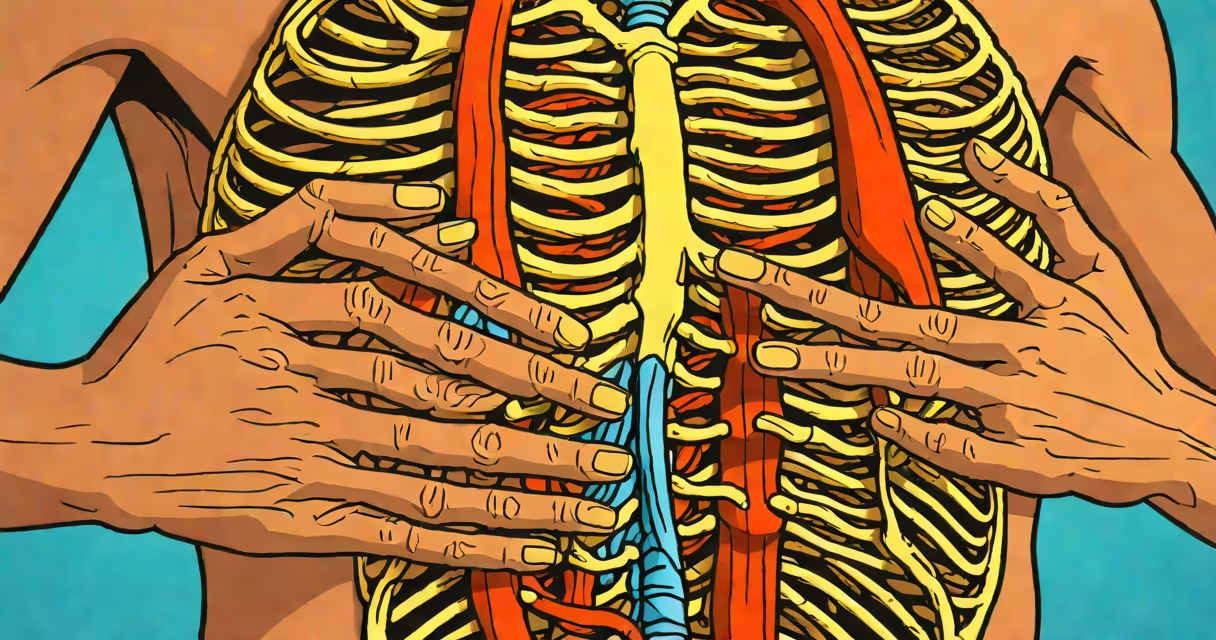
Ribs hurt when I inhale describes sharp or aching pain in the chest wall that worsens with deep breaths, often due to inflammation, injury, or lung-related conditions. The sensation typically arises from structures between the ribs-like cartilage, muscles, or nerves-reacting to movement or pressure during respiration.
Pain localized to the rib cage during inhalation usually originates from the intercostal muscles, costal cartilage, or pleura-the thin lining around the lungs. These tissues stretch and contract with each breath. When inflamed, injured, or irritated, they send pain signals to the brain during inspiration. Common triggers include trauma, viral infections, repetitive strain, or underlying medical conditions.
For example, a person who recently lifted heavy objects may feel a sudden stab in the side when taking a deep breath. That pain likely stems from strained intercostal muscles. Another individual might report persistent tenderness along the rib line after a fall, suggesting a possible rib fracture. In both cases, the act of inhaling increases tension on the affected area, intensifying discomfort.
During inhalation, the diaphragm contracts and moves downward, while the external intercostal muscles lift the ribcage upward and outward. This expansion increases thoracic volume and draws air into the lungs. Any disruption in this process-such as swelling, tearing, or irritation-can cause pain during the phase of maximum expansion.
The most common source of pain is costochondritis, an inflammation of the cartilage connecting the ribs to the sternum. It accounts for up to 30% of non-traumatic chest pain in young adults, according to the American College of Rheumatology. Symptoms include sharp, localized pain that worsens with deep breaths, coughing, or lying on the affected side.
Pleurisy, another frequent cause, occurs when the pleural membranes lining the lungs become inflamed. This condition often follows viral respiratory infections. A sign sign is sharp, stabbing pain that intensifies with breathing. The pain may radiate to the shoulder or neck, depending on the location of the inflammation.
Several distinct conditions can produce rib pain specifically triggered by breathing. Understanding the differences helps determine whether self-care or medical evaluation is needed.
| Condition | Key Features | Typical Trigger | Prevalence |
|---|---|---|---|
| Costochondritis | Pain at rib-sternum junctions; worsens with pressure or deep breaths | Repetitive motion, minor trauma, unknown cause | Up to 30% of non-traumatic chest pain in under-40s |
| Pleurisy | Sharp, stabbing pain; often unilateral; may improve with breath-holding | Viral infection, pneumonia, pulmonary embolism | Common in acute respiratory illness |
| Intercostal muscle strain | Localized soreness; pain with twisting or stretching | Overexertion, sudden movements, poor posture | Frequent in athletes and manual laborers |
| Rib fracture | Severe pain; tenderness over bone; may hear crack during injury | Direct impact, severe coughing, osteoporosis | More common in older adults and those with low bone density |
A key distinction missed by many is that rib pain during inhalation is rarely due to heart issues. Cardiac pain typically presents as pressure, heaviness, or tightness in the center of the chest-not sharp, localized pain that changes with breathing. The National Heart, Lung, and Blood Institute confirms that chest pain from heart disease does not typically worsen with respiration.
One non-obvious fact: rib pain from pleurisy can sometimes be relieved by holding the breath or leaning forward. This happens because the inflamed pleural surfaces rub less when movement is reduced. A patient I evaluated last year reported that resting in a forward-leaning position decreased their pain -this helped confirm a diagnosis of pleuritic pain rather than musculoskeletal strain.
Not all rib pain requires urgent attention. However, certain red flags demand prompt evaluation. Seek immediate care if pain follows a fall, crush injury, or significant trauma-even if the pain seems mild. A fractured rib can puncture the lung, leading to pneumothorax, which requires emergency treatment.
Also consult a provider if pain persists beyond 7 days, worsens at rest, or is accompanied by fever, unexplained weight loss, night sweats, or shortness of breath. These symptoms may indicate infection, autoimmune disease, or malignancy. For example, a 58-year-old woman with persistent left-sided rib pain and unintentional weight loss was later diagnosed with metastatic breast cancer affecting the chest wall-a rare but documented cause of chronic rib pain.
Self-management may suffice for mild, isolated incidents. Rest, ice, and over-the-counter NSAIDs like ibuprofen can reduce inflammation and ease discomfort. Avoid activities that strain the chest wall, such as heavy lifting or forceful coughing. But never ignore worsening or unexplained pain.
Many people assume rib pain during breathing is always muscular or due to "pulling a muscle." While intercostal strain is common, it's not the only possibility. Costochondritis, for instance, mimics heart attack symptoms but lacks cardiac risk factors. It affects women more frequently than men and often resolves within weeks without specific treatment.
Finally, patients often mistake pleuritic pain for anxiety-related chest tightness. But anxiety-induced pain usually feels diffuse, pressure-like, and improves with relaxation techniques. Pleuritic pain remains sharp and localized, tied directly to breathing cycles.
If you're experiencing ribs hurt when I inhale, start by noting the location, duration, and triggers. Keep a brief log: when the pain began, what makes it better or worse, and whether it's linked to a recent event. This information helps clinicians differentiate between benign and serious causes.
Understanding the root cause of ribs hurt when I inhale leads to faster relief and avoids unnecessary tests. Most cases resolve with rest and conservative care. But knowing when to seek help prevents complications.