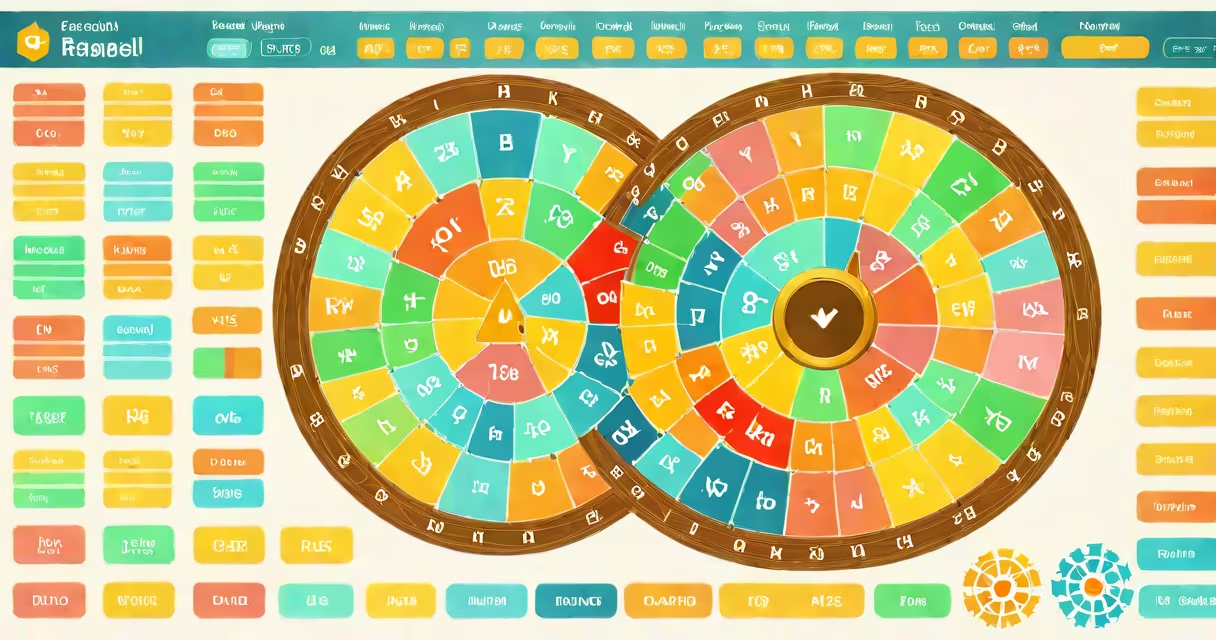
A random name picker generator is a digital tool that selects one or more names from a list using a pseudorandom algorithm, ensuring impartiality in selection. It functions without bias, making it ideal for fair draws, classroom participation, team assignments, or event activities.
These tools operate by assigning each name a unique identifier, then applying a cryptographic hash or seeded random function to determine the outcome. The process is reproducible under the same seed but unpredictable without it. This prevents manipulation and ensures outcomes are statistically independent.
For example, a teacher with 28 students can input their names into a random name picker generator. After pressing "Pick," the tool returns one name-say, "Jamie"-with equal probability for each student. No human judgment enters the process, eliminating subconscious favoritism.
When you enter a list of names-either typed in or pasted from a spreadsheet-the generator processes them through a randomization engine. Most tools use JavaScript's Math.random() function, which generates floating-point numbers between 0 and 1. This value is multiplied by the list size and rounded down to select an index.
For higher reliability, some generators use cryptographically secure random number generators (CSPRNGs), such as those in Web Crypto API. These are designed to resist prediction and are used in security-sensitive applications. A school using a name picker for prize draws may rely on such tools to prevent disputes over fairness.
Once selected, the name appears on screen, often highlighted or animated. Many tools allow multiple picks, shuffle modes, or exclusion options-such as skipping names already chosen or marking them as ineligible.
Random name picker generators vary by function and complexity. The most common types serve specific use cases:
| Type | Use Case | Key Feature | Example |
|---|---|---|---|
| Single Pick | Calling on one student | One result per click | Classroom participation |
| Multiple Pick | Selecting a team or group | Choose 3 from 15 names | Workshop breakout groups |
| Shuffle Mode | Ordering participants | Rearranges entire list randomly | Speaking order in meetings |
| Exclusion List | Skipping names already picked | Prevents duplicates | Prize draw with 10 winners |
Some advanced tools offer exportable results, history logs, or integration with Google Sheets. Others support audio cues-like a chime when a name is selected-to reinforce engagement in live settings.
Many free web-based generators do not store your data. They process names entirely in your browser and discard them after the selection. This protects privacy and avoids compliance risks under regulations like GDPR or CCPA.
People often assume that random name pickers are biased toward certain names or favor longer entries. This is false. Algorithms treat all inputs equally unless explicitly programmed otherwise. A name like "Alexander" has no advantage over "Zoe" in a properly implemented system.
Another misconception is that randomness implies unpredictability. While humans struggle to predict random sequences, algorithms follow deterministic rules. However, the output remains statistically indistinguishable from true randomness when the seed is unknown.
Random name picker generators are not the same as lottery systems. Lotteries involve tickets with unique codes and prize tiers. Name pickers simply assign selection probability uniformly across entries. Using a name picker for raffles without proper validation can lead to legal issues in regulated environments.
In education, teachers use random name picker generators to call on students during lessons. A study by the National Council of Teachers of Mathematics found that randomized calling increased participation by 34% compared to voluntary responses. It reduced anxiety among quieter students while maintaining accountability.
At corporate retreats, facilitators use these tools to assign breakout groups. One team leader reported selecting six people from a list of 24 for a problem-solving session. The tool ensured balanced representation across departments, avoiding cliques.
I once used a random name picker generator during a volunteer recruitment drive for a local food bank. We had 17 applicants and needed four helpers for the weekend shift. After entering names, the tool returned "Morgan," "Tariq," "Lena," and "Javier." All were satisfied with the outcome-no one felt excluded.
Do not use a random name picker generator for high-stakes decisions-like awarding scholarships or hiring candidates-without additional review. Randomness ensures fairness in selection, but it doesn't validate qualifications.
Finally, avoid manual methods like drawing names from a hat in digital settings. Physical methods introduce bias through touch, visibility, or timing. Digital tools eliminate these variables entirely.
Understanding how a random name picker generator operates helps you trust its results. It's not magic-it's math. And when used correctly, it brings consistency, transparency, and equity to everyday decisions.