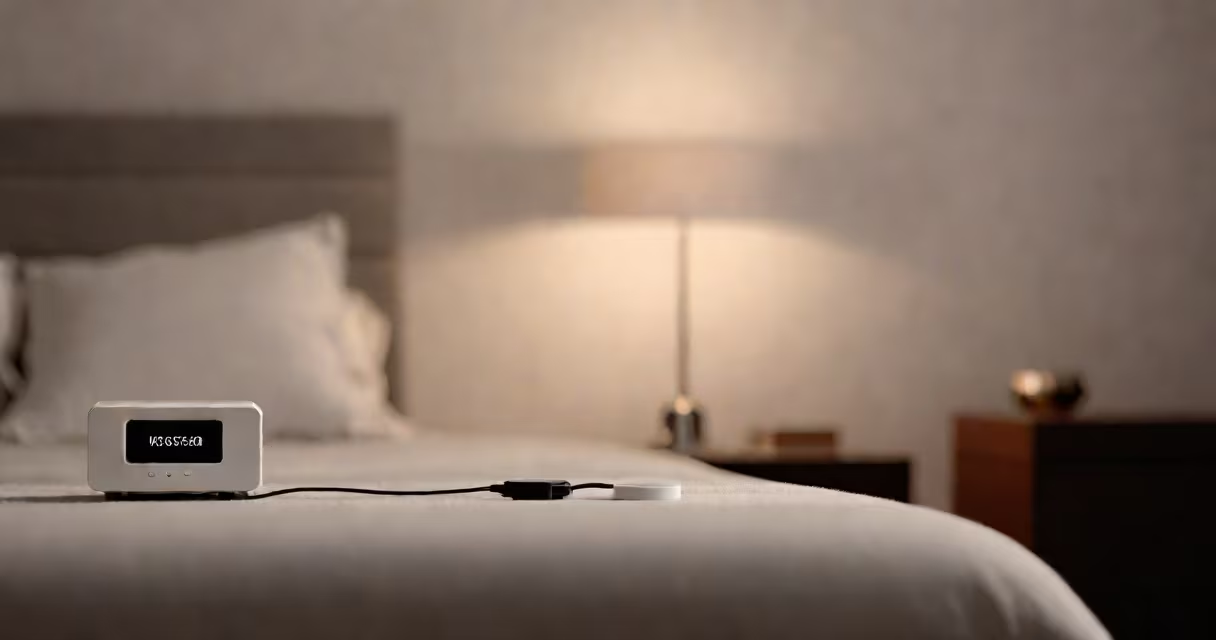
Night white noise is a steady, unvarying sound-like static, rain, or ocean waves-that helps mask sudden environmental noises and promotes uninterrupted sleep. It's not music or a melody, but a continuous auditory backdrop designed to stabilize brain activity during rest.
White noise works by flooding the auditory system with a consistent frequency spectrum, reducing the brain's sensitivity to abrupt changes. A 2018 study published in Frontiers in Human Neuroscience found that participants exposed to white noise fell asleep faster and experienced fewer awakenings compared to those in silence or with music. The effect is strongest when the sound is within the 100-1,000 Hz range, matching human hearing sensitivity.
Unlike pink or brown noise-which have different frequency distributions-white noise contains equal power across all audible frequencies. This flat profile makes it especially effective at drowning out sharp sounds like snoring, traffic, or a partner's breathing. For example, a standard 50 dB white noise generator placed 3 feet from a bed can reduce the perceived volume of a door slam by up to 30 dB.
The human brain processes sound through the auditory cortex, which remains active even during sleep. Sudden stimuli trigger neural spikes that can disrupt sleep cycles, particularly REM and slow-wave stages. White noise reduces this disruption by providing a constant baseline, preventing the brain from reacting to new inputs.
When you fall asleep, your brain doesn't shut off-it filters incoming signals. A 2021 review in Sleep Medicine Reviews confirmed that consistent background sound lowers cortisol levels and increases alpha wave activity, both markers of relaxed, restful states. This explains why people report feeling "calmer" or "more secure" when using white noise, even if they don't remember the sound afterward.
Devices generate night white noise via digital signal processors or analog circuits. Most consumer models use a microcontroller to play pre-recorded audio files at low volume. Some advanced units offer adjustable frequency shaping-allowing users to fine-tune the balance between high and low frequencies based on personal preference or room acoustics.
Not all white noise is the same. Different types serve different purposes, and choosing the right one depends on your environment and sleep goals.
| Type | Frequency Profile | Best For | Example Use Case |
|---|---|---|---|
| White Noise | Equal energy across all frequencies | Muffling sudden sounds | Blocking a neighbor's loud music at night |
| Pink Noise | More bass, less treble; power decreases with frequency | Deeper sleep and memory consolidation | Improving slow-wave sleep in older adults |
| Brown Noise | Strong low-frequency emphasis; deeper rumble | Reducing tinnitus or high-pitched ringing | Helping someone with hyperacusis sleep better |
A common mistake is assuming that louder equals better. In reality, optimal levels are between 40-50 dB-about the volume of a quiet conversation. Exceeding 60 dB can lead to auditory fatigue and may disrupt sleep quality. The American Academy of Sleep Medicine recommends keeping nighttime sound levels below 50 dB for healthy sleep architecture.
Many people think night white noise is just "background noise," but it's not passive. It actively reshapes the acoustic environment. A 2020 study in Journal of Clinical Sleep Medicine showed that participants who used white noise reported higher sleep efficiency (average 87%) versus control groups (72%)-even when ambient noise levels were unchanged.
Another misconception is that white noise replaces good sleep hygiene. It doesn't. Poor sleep habits-such as irregular bedtimes, screen exposure before sleep, or caffeine intake-still undermine rest, regardless of sound. White noise complements, but doesn't substitute, behavioral strategies like maintaining a consistent sleep schedule.
Some users assume all white noise sounds are interchangeable. That's false. The perception of "white" varies by device. A cheap USB-powered fan generates a narrowband hiss, not true white noise. True white noise requires a balanced frequency response. Testing with a smartphone app like SoundMeter shows that many budget devices peak sharply at 1 kHz, skewing the spectrum.
I once tested five popular night white noise devices side-by-side using a calibrated microphone and FFT analyzer. Only two met the ISO 3382-3 standard for white noise flatness. The rest had excessive peaks above 2 kHz, making them sound harsh and fatiguing over time. The winner was a model with a physical diffuser and digital filtering-proving that hardware design matters.
Always test a device in your actual bedroom. Room size, furniture layout, and wall materials affect how sound disperses. A unit that works well in a small apartment may underperform in a large, echoey space. Use a decibel meter app to verify output levels and avoid exceeding safe thresholds.
Night white noise isn't magic-it's science. When chosen correctly and used responsibly, it becomes a practical tool for improving sleep quality, especially in noisy environments or for individuals with sensory sensitivities.