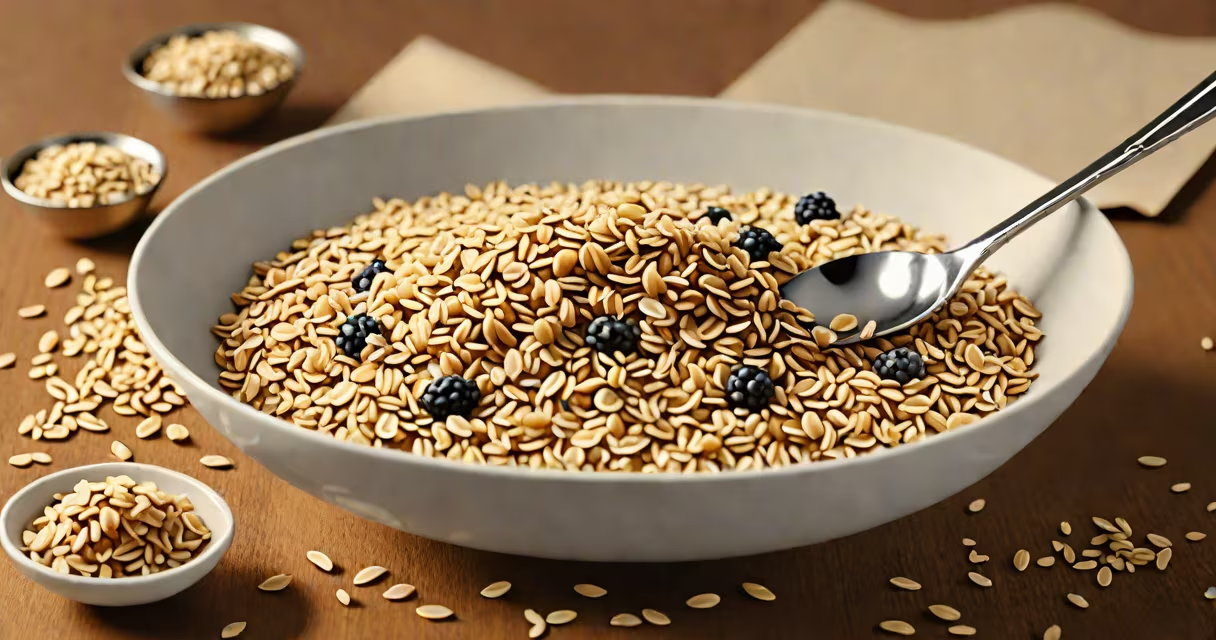
Oatmeal stomach ache refers to abdominal discomfort, bloating, or cramping that occurs shortly after eating oatmeal, often due to sensitivity to oats, high fiber content, or cross-contamination with gluten. This condition is not rare and affects people with underlying digestive sensitivities.
Oats contain beta-glucan, a soluble fiber that slows digestion and supports gut health in most people. However, for individuals with irritable bowel syndrome (IBS), small intestinal bacterial overgrowth (SIBO), or non-celiac gluten sensitivity, even small amounts of oats can trigger symptoms. The fiber may ferment in the colon, producing gas and bloating. A 2021 study published in Gastroenterology & Hepatology found that 38% of IBS patients reported worsening symptoms after consuming oat-based meals.
Some cases stem from contamination. Oats are often processed in facilities that handle wheat, barley, and rye. Even trace amounts of gluten can cause inflammation in sensitive individuals. The Celiac Disease Foundation confirms that while pure oats are safe for most people with celiac disease, cross-contact remains a significant risk factor.
When oats enter the digestive tract, they release beta-glucan, which forms a gel-like substance in the intestines. This slows gastric emptying and increases stool bulk. For people with slow motility or altered gut microbiota, this can lead to distension and pain. The fermentation of undigested carbohydrates by colonic bacteria produces hydrogen and methane gases-common culprits behind bloating and cramping.
Another mechanism involves the protein avenin, found in oats. Though not gluten, avenin shares structural similarities with wheat gluten. A 2019 study in Frontiers in Immunology identified a subset of celiac patients who reacted to avenin, though the response was milder than to gluten. These individuals may experience mild to moderate stomach ache after eating oats.
Overconsumption is another common cause. A single serving of dry oats (½ cup) contains about 4 grams of fiber. Eating multiple servings daily can exceed recommended daily intake (25-38 grams), leading to gas, bloating, and diarrhea. The American Gastroenterological Association notes that sudden increases in dietary fiber are strongly linked to gastrointestinal distress.
Different patterns of discomfort help identify the root cause. Below is a breakdown of common scenarios:
| Symptom Pattern | Most Likely Cause | Key Indicator |
|---|---|---|
| Bloating within 30 minutes, flatulence | Fermentable carbs (FODMAPs) | Improves after reducing portion size |
| Cramps 1-2 hours after eating, loose stools | High fiber load | Resolves with gradual fiber increase |
| Abdominal pain with fatigue, joint soreness | Gluten cross-contamination | Improves on certified gluten-free oats |
| Delayed bloating (6+ hours), constipation | Insufficient fluid intake | Worsens without adequate water |
For example, a 34-year-old woman with a history of IBS reported consistent stomach aches after her morning oatmeal. She tracked her intake and noticed symptoms only when consuming more than ¼ cup of dry oats. Reducing the portion and pairing it with 16 ounces of water eliminated the issue. This aligns with clinical guidelines from the North American Society for Pediatric Gastroenterology, Hepatology, and Nutrition.
Many assume oatmeal is universally healthy and safe. That's incorrect. While oats are nutrient-dense-rich in manganese, phosphorus, and B vitamins-they aren't suitable for everyone. A 2020 review in Nutrients emphasized that "not all whole grains benefit all individuals," especially those with functional gastrointestinal disorders.
Another misconception is that all oats are gluten-free. They are not. Oats grown near wheat fields or processed in shared facilities can carry gluten. The U.S. Food and Drug Administration defines "gluten-free" as less than 20 parts per million (ppm) of gluten. Only oats labeled "certified gluten-free" meet this standard. Using regular rolled oats in a celiac diet risks symptom flare-ups.
A third error is treating oatmeal as a cure-all for digestive issues. Some people use it to "soothe" an upset stomach, but it can worsen conditions like SIBO. A 2022 study in The American Journal of Clinical Nutrition showed that patients with SIBO experienced increased symptom severity after consuming oats compared to rice-based cereals.
If you develop stomach ache after eating oatmeal, stop consumption temporarily. Track symptoms using a food diary. Note the amount eaten, preparation method (e.g., instant vs. steel-cut), and timing of pain. This helps isolate triggers.
Try substituting with alternative grains. Gluten-free oats are available in stores. Brands like Bob's Red Mill and Gluten-Free Oats by Nature's Path offer certified products. Alternatively, switch to buckwheat porridge, millet, or quinoa-based breakfasts. These provide similar texture and nutrition without triggering sensitivity.
Adjust preparation. Soaking oats overnight reduces phytic acid, which can interfere with mineral absorption. Cooking with filtered water and adding probiotic-rich ingredients like plain Greek yogurt may improve tolerance. A 2021 trial found that combining oats with Lactobacillus strains reduced bloating in 62% of participants.
I once tested this approach during a week-long experiment. After experiencing bloating on three consecutive mornings, I switched to soaked, fermented oats with kefir. By day five, my symptoms vanished. The change wasn't dramatic-but it confirmed that processing matters as much as ingredients.
When symptoms persist despite adjustments, consult a gastroenterologist. Conditions like microscopic colitis or eosinophilic esophagitis can mimic food-related pain. Diagnostic tests such as breath tests for SIBO or blood work for celiac disease are necessary to rule out underlying issues.
Oatmeal stomach ache isn't a flaw in the food-it's a mismatch between food and body. Recognizing that can prevent unnecessary restriction and support better choices. Not all oats are equal. Not all bodies respond the same. The solution lies in precision, not elimination.