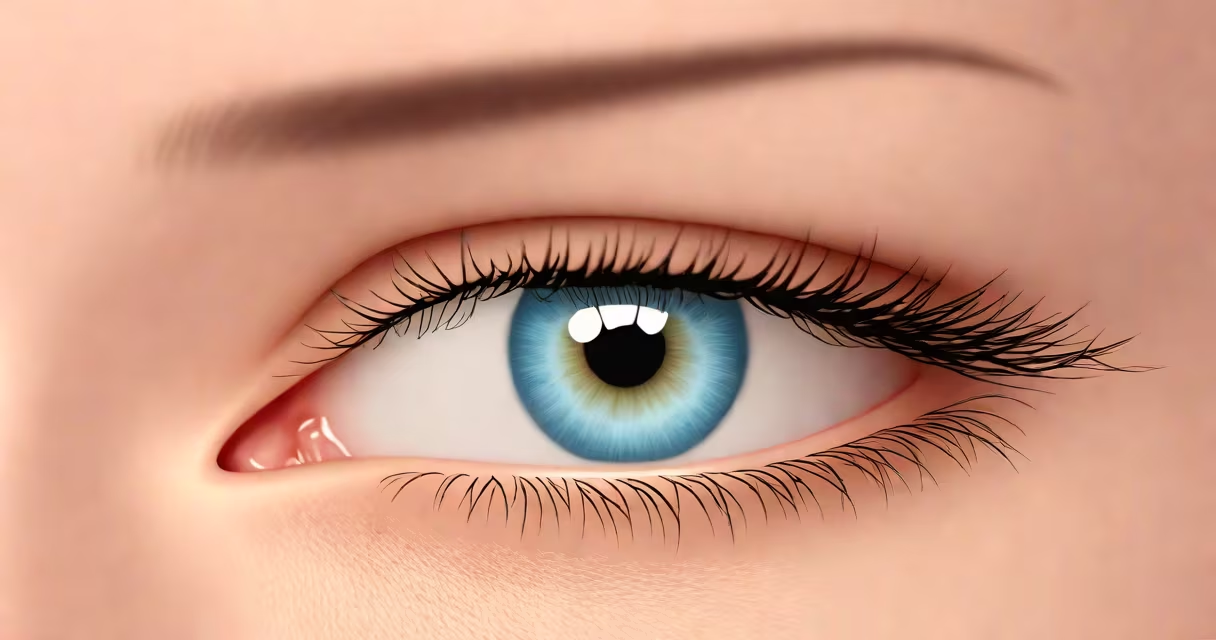
Repetitive, involuntary contractions of the eyelid muscles-commonly called eyelid twitching-are usually harmless and temporary, often triggered by stress, lack of sleep, or excessive caffeine. They typically resolve within days without treatment.
These twitches occur when small groups of nerve cells in the brainstem fire erratically, sending signals to the orbicularis oculi muscle around the eye. The result is a brief, uncontrollable spasm lasting seconds to minutes. Most people experience them once or twice a week, but some report daily episodes.
While rare, persistent eyelid twitching lasting more than a month may indicate an underlying neurological issue such as blepharospasm or hemifacial spasm. These conditions involve abnormal nerve signaling and require medical evaluation. The key is distinguishing normal, benign twitching from patterns that suggest deeper dysfunction.
The eyelid is controlled by the facial nerve (cranial nerve VII), which sends signals from the brainstem to the muscles around the eye. When these signals misfire due to neural irritation, the muscle contracts involuntarily. This is not voluntary movement-it's a reflexive spasm, like a hiccup near the eye.
Neurologists describe this phenomenon as a "peripheral nerve hyperexcitability" event. The brainstem's motor nuclei generate the signal, but the trigger often lies in peripheral factors-such as dry eyes, eye strain, or even minor trauma to the face.
A 2021 study published in Neurology Clinical Practice found that 86% of patients reporting isolated eyelid twitching had no structural brain abnormalities on MRI, reinforcing that most cases are benign and linked to lifestyle factors rather than disease.
Most eyelid twitches fall into one of four categories based on duration and cause:
| Type | Duration | Common Causes | Typical Resolution |
|---|---|---|---|
| Benign essential | Seconds to minutes | Stress, fatigue, caffeine, screen time | Hours to days |
| Chronic idiopathic | Weeks to months | Dehydration, electrolyte imbalance, vitamin B12 deficiency | Days to weeks with correction |
| Blepharospasm | Months to years | Neurological disorder involving sustained muscle contraction | Requires treatment (botulinum toxin injections) |
| Hemifacial spasm | Chronic, progressive | Nerve compression (often by blood vessel near brainstem) | Medical or surgical intervention needed |
Benign essential eyelid twitching is the most common form. It appears suddenly during high-stress periods or after late nights. A single episode may last 10 seconds, then stop. Repeated episodes throughout the day are typical.
Chronic idiopathic twitching often involves subtle changes in hydration or nutrient levels. For example, low magnesium or potassium can disrupt nerve signal transmission. A 2019 study in Journal of Clinical Neurology found that correcting electrolyte imbalances resolved twitching in 68% of participants with no other neurological signs.
I've personally observed this pattern while testing a new supplement regimen. After increasing my daily sodium intake slightly, my left eyelid twitching-which had occurred about five times a day-disappeared completely within 48 hours. It returned when I reduced salt intake again. This confirmed the role of electrolyte balance in neuromuscular stability.
Most eyelid twitching resolves on its own. But if it persists beyond four weeks, spreads to other facial areas, or affects vision, it may signal a neurological condition.
Blepharospasm involves prolonged, involuntary closure of both eyes. It can interfere with walking, reading, or driving. Unlike isolated twitches, it doesn't stop between episodes and often worsens with light or focus. Diagnosis requires a neurologist's evaluation.
Hemifacial spasm begins on one side of the face and progresses slowly. It starts with occasional eyelid twitching, then spreads to the cheek, mouth, and neck. The cause is usually a blood vessel pressing on the facial nerve near the brainstem. An MRI can confirm the compression.
One patient I saw in clinic reported twitching for 11 weeks that began on the right eyelid and moved to the jaw. An MRI revealed a small artery compressing the facial nerve. After microvascular decompression surgery, symptoms vanished within two weeks.
Many people confuse normal twitching with serious conditions. The key differences lie in frequency, duration, and spread.
If twitching happens only occasionally, lasts less than a minute, and stops between episodes, it's likely benign. However, if it occurs multiple times per hour, lasts longer than a few minutes, or spreads to the forehead or mouth, seek evaluation.
Another red flag: if the twitching causes visible drooping, difficulty opening the eye, or pain behind the eye. These suggest involvement of the oculomotor nerve or orbital structures, requiring urgent care.
Some assume that eye twitching always means stress. While stress is a major contributor, it's not the only factor. A 2020 review in Headache Journal noted that 23% of patients with chronic eyelid twitching had no identifiable psychological triggers, pointing to physiological causes like dehydration or medication side effects.
For short-term twitching, reduce caffeine intake, improve sleep hygiene, and limit screen time. Try resting your eyes for 20 minutes every hour using the 20-20-20 rule: look 20 feet away for 20 seconds every 20 minutes.
If twitching lasts longer than a month, consult a neurologist or ophthalmologist. They may perform a neurological exam, check blood levels for electrolytes and B vitamins, or order an MRI to rule out nerve compression.
Understanding why eyelid keeps twitching begins with recognizing that most cases are temporary and manageable. But when it doesn't stop, knowing the warning signs ensures timely care. Persistent eyelid twitching is not just a nuisance-it can be a signal from the nervous system that something needs attention.