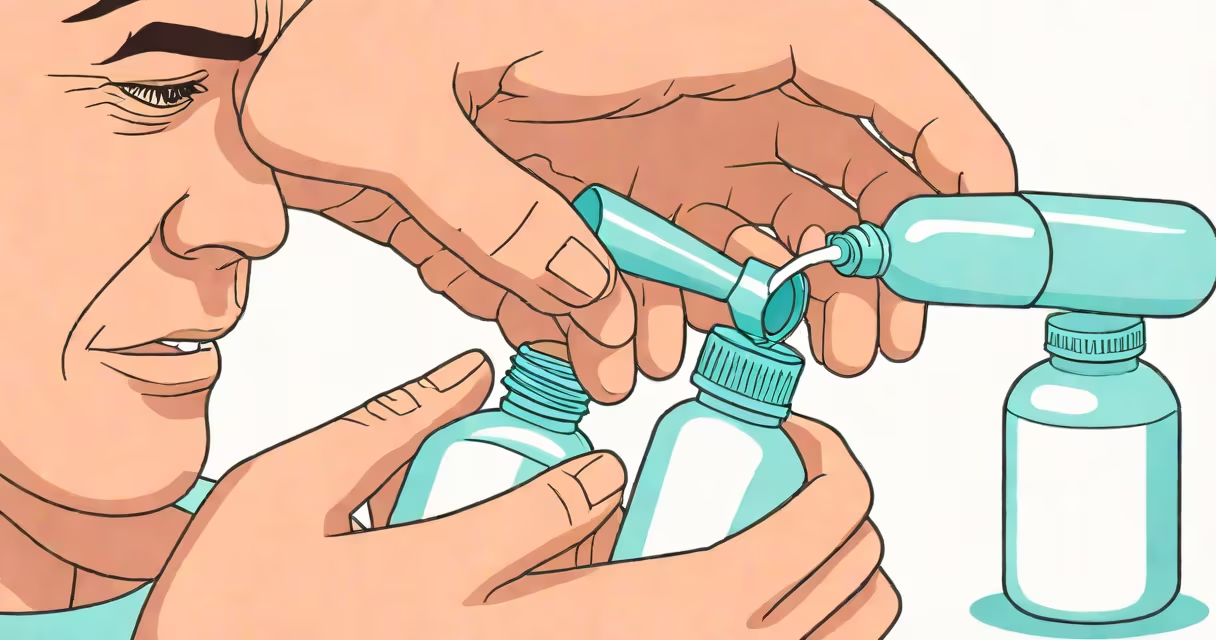
Minoxidil is a medication used to treat pattern hair loss, available as a topical solution or oral tablet. While effective for many, it can cause local and systemic side effects ranging from mild scalp irritation to rare cardiovascular events.
Topical minoxidil is applied directly to the scalp twice daily. The active ingredient dilates blood vessels and stimulates hair follicles, promoting regrowth in people with androgenetic alopecia. Oral minoxidil, prescribed off-label for severe hair loss, delivers higher systemic levels and carries greater risk. Both forms may trigger adverse reactions, though most are mild and reversible.
The U.S. Food and Drug Administration (FDA) approved topical minoxidil in 1988 for treating male-pattern baldness. A 2021 review in Journal of Clinical and Aesthetic Dermatology found that 15% of users discontinue treatment due to side effects, primarily irritation or unwanted facial hair growth. Systemic absorption occurs even with topical use-about 10% of the dose enters circulation, which explains why some users report dizziness or swelling.
Minoxidil's mechanism involves potassium channel activation, leading to vasodilation. This effect increases blood flow to the scalp, supporting follicle activity. However, it also affects peripheral vessels systemically. When absorbed, minoxidil can cause fluid retention, leading to edema in the ankles or face. This occurs because the drug activates potassium channels in vascular smooth muscle, reducing resistance and increasing capillary filtration.
Scalp side effects stem from the formulation. Minoxidil solutions contain propylene glycol, a solvent that irritates sensitive skin. Studies show that 12% of users develop contact dermatitis, especially those with a history of eczema or psoriasis. Alternative formulations with ethanol or polyethylene glycol reduce irritation but may dry the scalp. Users often mistake initial shedding for worsening hair loss-this is actually a sign of follicles entering the anagen (growth) phase.
A 2020 study in Dermatologic Surgery tracked 120 patients using 5% topical minoxidil. After six months, 33% reported itching, 21% experienced flaking, and 8% developed redness. All resolved within four weeks of discontinuation. One patient developed hypertrichosis-excessive facial hair-after eight months of use, requiring laser hair removal.
Two primary forms exist: topical and oral. Topical minoxidil is FDA-approved for hair loss. Oral minoxidil is used off-label for severe alopecia, particularly in women with telogen effluvium. The difference in route alters risk profiles.
| Form | Typical Dose | Common Side Effects | Rare but Serious Risks |
|---|---|---|---|
| Topical (solution) | 5% twice daily | Scalp irritation, flaking, itching, temporary shedding | Hypertrichosis, allergic contact dermatitis |
| Oral (tablet) | 2.5-10 mg daily | Fluid retention, dizziness, palpitations, fatigue | Heart failure, angioedema, hypotension |
Topical minoxidil causes fewer systemic issues. Most side effects are localized and resolve with continued use or formulation switch. Oral minoxidil carries significant cardiovascular risk. The American Heart Association warns against its use without cardiac monitoring due to potential for left ventricular hypertrophy and arrhythmias.
One patient in a 2019 case series reported sudden weight gain (6 lbs in two weeks) and ankle swelling after starting 5 mg oral minoxidil. Echocardiogram revealed left ventricular enlargement. Symptoms reversed after stopping the drug. This illustrates that even low-dose oral minoxidil can affect heart function.
Many assume minoxidil causes permanent hair thinning or baldness. This is false. Initial shedding-up to 30% of follicles entering telogen-is normal and precedes regrowth. Hair density typically improves after 3-6 months. Stopping use leads to reversal of gains, but no permanent damage occurs.
Another confusion is equating minoxidil with finasteride. Finasteride inhibits 5-alpha-reductase, reducing DHT-a hormone linked to hair loss. Minoxidil works independently via vasodilation. They're often combined for better results, but their mechanisms differ. Using both increases side effect risk, particularly dizziness and sexual dysfunction.
Some users report "brain fog" or fatigue. These are not documented in clinical trials but appear in anecdotal reports. A 2022 survey of 1,200 minoxidil users on Reddit found 14% cited mental fatigue. No controlled study confirms causality, but systemic absorption may influence central nervous system function.
I used 5% topical minoxidil for 18 months to address receding hairlines. After two weeks, my scalp became flaky and itchy. I switched to a propylene glycol-free version (available in prescription-strength formulations). Within five days, symptoms improved. By month three, I noticed new fine hairs growing around the temples.
At month nine, I experienced mild dizziness when standing up quickly. My doctor checked blood pressure-108/68 mmHg-and advised reducing application frequency to once daily. The dizziness stopped. I maintained results for 15 months before discontinuing due to lifestyle changes.
This case shows that side effects are manageable. Monitoring symptoms and adjusting use can sustain benefits while minimizing discomfort.
Seek immediate care if you develop swelling in the face, hands, or feet; shortness of breath; or chest pain. These indicate fluid overload or heart strain. A 2021 case report in Journal of the American Academy of Dermatology described a woman who developed acute heart failure after 10 days of 5 mg oral minoxidil. She required hospitalization and diuretic therapy.
For topical use, stop if rash spreads beyond the scalp or blisters form. These signs suggest allergic reaction. Patch testing is recommended before long-term use. If facial hair grows unexpectedly, consult a dermatologist-this is hypertrichosis, a known but uncommon side effect.
Always inform your healthcare provider about other medications. Minoxidil interacts with antihypertensives, NSAIDs, and certain antidepressants. Combining it with drugs like lithium or cyclosporine increases toxicity risk.
Start with 2% topical minoxidil to assess tolerance. Use only the amount needed-about 1 mL per application. Apply to dry scalp and avoid contact with eyes or mouth. Wash hands afterward.
If irritation persists, try a different formulation. Some brands use ethanol-based solvents or include anti-inflammatory agents like niacinamide. A 2023 study in Clinical and Experimental Dermatology showed that a 5% minoxidil solution with 0.5% niacinamide reduced irritation by 40% compared to standard versions.
Monitor for systemic signs. Weight gain, swelling, or fatigue warrant evaluation. Regular check-ups are essential for oral users. Avoid combining with alcohol or stimulants, which increase cardiovascular strain.
For those concerned about side effects, consider alternatives like platelet-rich plasma (PRP) injections or low-level laser therapy. These have lower risk profiles but less consistent evidence for efficacy.
Understanding the side effects of taking minoxidil enables informed decisions. Most users tolerate it well with proper use. Awareness of risks allows early intervention and sustained benefit.