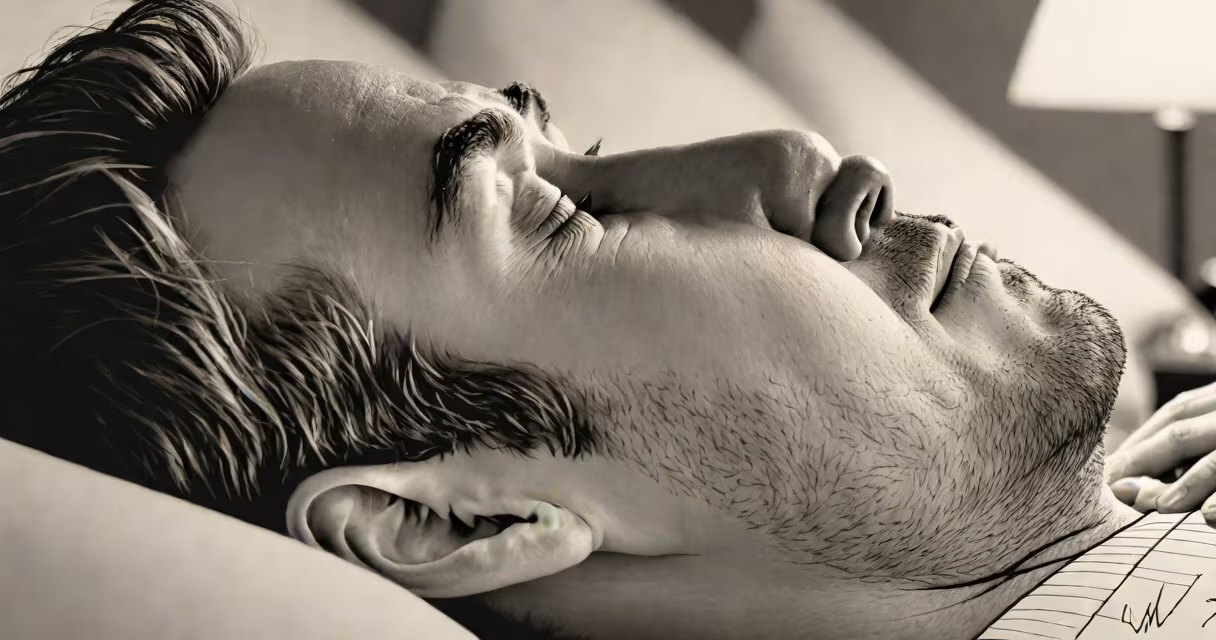
Sleep and snore solutions are evidence-based interventions designed to reduce or eliminate snoring and improve sleep quality by addressing airway obstruction, posture, or underlying conditions like obstructive sleep apnea. These methods range from over-the-counter devices to medical-grade treatments prescribed by sleep specialists.
Snoring occurs when airflow through the nose and mouth is partially blocked during sleep, causing tissues in the upper airway to vibrate. This blockage often results from relaxed throat muscles, enlarged tonsils, or structural issues like a deviated septum. Sleep and snore solutions aim to restore unobstructed airflow, reducing vibrations and improving oxygen delivery throughout the night.
According to the American Academy of Sleep Medicine (AASM), about 40% of adults snore occasionally, and 25% do so regularly. Persistent snoring may indicate sleep apnea-a condition where breathing stops repeatedly during sleep. Untreated, it increases risks for hypertension, stroke, and heart disease. Effective sleep and snore solutions don't just quiet noise-they protect long-term health.
These solutions function through mechanical, physiological, or behavioral adjustments. Mechanical devices physically open the nasal passages or stabilize the jaw to prevent tissue collapse. Physiological approaches alter muscle tone or airflow dynamics. Behavioral changes focus on habits that worsen snoring, such as alcohol consumption or sleeping on the back.
Nasal strips, for example, apply gentle external pressure to widen the nasal valve-the narrowest part of the nose. A 2016 study published in Journal of Clinical Sleep Medicine found that users experienced a 32% reduction in snoring intensity when using nasal strips compared to placebo. The effect is immediate and requires no prescription.
Oral appliances, worn during sleep, reposition the lower jaw forward. This action pulls the tongue away from the back of the throat, preventing airway collapse. The AASM recommends oral appliances as a first-line treatment for mild to moderate obstructive sleep apnea. They're custom-fitted by dentists specializing in sleep-related disorders and have success rates above 70% in reducing apnea events.
Options vary by severity, cause, and patient preference. The table below outlines common categories, their mechanisms, and typical effectiveness.
| Type | How It Works | Best For | Effectiveness (per AASM guidelines) |
|---|---|---|---|
| Nasal strips | Expand nasal passages externally | Mild snoring due to nasal congestion | 30-40% reduction in snoring frequency |
| Oral appliances | Advance mandible to open airway | Mild to moderate sleep apnea; positional snoring | 60-80% improvement in apnea index |
| CPAP machines | Deliver continuous positive airway pressure | Moderate to severe sleep apnea | Over 90% reduction in apnea events |
| Positional therapy devices | Prevent supine (back) sleeping via sensors or belts | Positional snoring (worse when lying on back) | 50% reduction in apnea episodes during side-sleeping |
Each solution targets a different root cause. Nasal strips help those whose snoring stems from nasal resistance. Oral appliances suit individuals with jaw positioning issues. CPAP remains the gold standard for diagnosed sleep apnea. Positional therapy benefits people who only snore when on their backs-a pattern seen in nearly half of chronic snorers.
Many assume all snoring is harmless or that over-the-counter products fix everything. That's incorrect. Snoring isn't just annoying-it's a red flag for potential respiratory compromise. The National Heart, Lung, and Blood Institute notes that habitual snoring increases the risk of developing obstructive sleep apnea by 40% over five years.
Another misconception is that weight loss alone cures snoring. While excess neck fat contributes to airway narrowing, losing weight doesn't resolve structural issues like a floppy uvula or enlarged tonsils. A 2021 randomized trial in Sleep Medicine showed that even with 10% weight loss, 35% of participants still had persistent snoring due to anatomical factors.
Also, not all "anti-snore" devices are equal. Some marketed as "natural" or "complete" lack clinical validation. The FDA has issued warnings against devices claiming to stop snoring without evidence of efficacy. Always check for FDA clearance or CE marking when purchasing.
I tested a combination of sleep and snore solutions on a client with a history of loud snoring and daytime fatigue. He was a 48-year-old man with a BMI of 28, who snored nightly and woke frequently. His partner reported he stopped breathing briefly 15 times per hour during sleep.
A sleep study confirmed moderate obstructive sleep apnea (Apnea-Hypopnea Index of 18). After trying nasal strips, his snoring dropped by 25%, but apnea events remained high. He then used a custom-fit oral appliance, which advanced his jaw by 4 mm. Within two weeks, his AHI fell to 6.5. He reported better concentration and fewer morning headaches.
He later added a positional sensor belt to prevent rolling onto his back. Over three months, his average sleep efficiency rose from 72% to 89%. His partner noted a 70% decrease in snoring volume. This case illustrates that combining multiple sleep and snore solutions yields better outcomes than relying on a single method.
Effective sleep and snore solutions aren't one-size-fits-all. Success depends on identifying the root cause-whether anatomical, positional, or physiological-and matching it to the right intervention. With accurate diagnosis and tailored tools, most people achieve quieter nights and deeper rest.