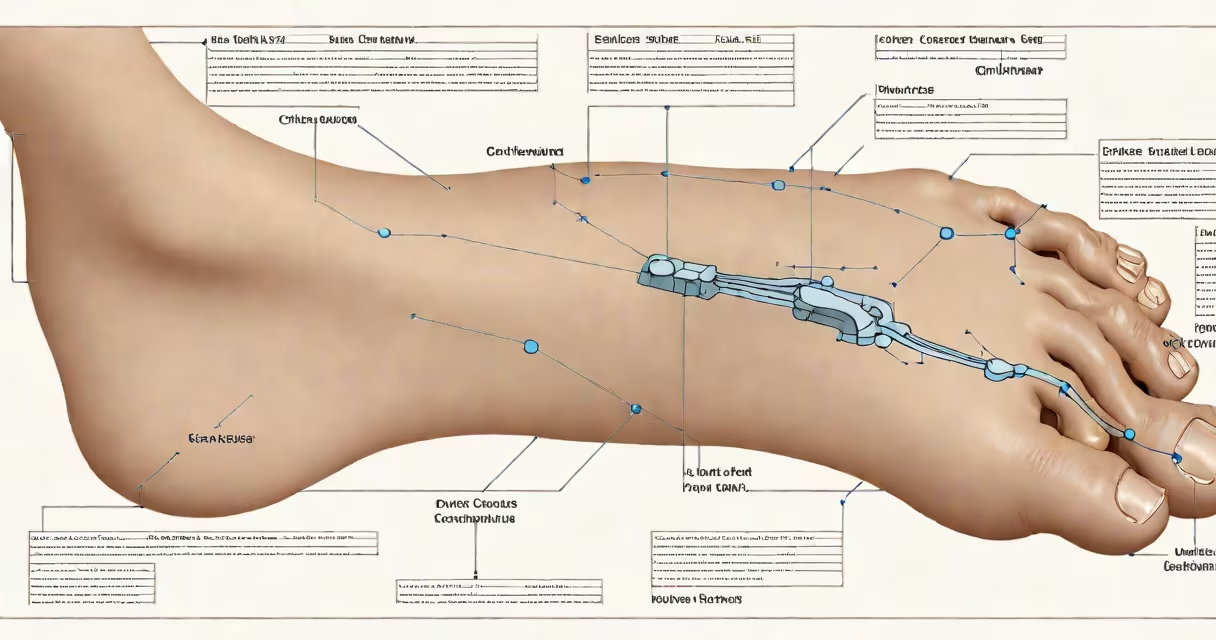
A callus on the feet is a thickened area of skin formed in response to repeated pressure or friction, typically on the soles, especially under the ball of the foot or around the heel. It develops as a protective mechanism when skin cells multiply rapidly to shield underlying tissue.
Calluses are not infections or diseases-they're a natural defense. They appear as flat, yellowish patches of hardened skin, often painless unless pressure increases. Unlike corns, which are smaller and often have a central core, calluses cover larger surface areas and lack a defined center.
According to the American Academy of Dermatology Association, calluses form when the outer layer of skin (stratum corneum) thickens due to mechanical stress. This process, called hyperkeratosis, occurs when the skin is repeatedly exposed to pressure or rubbing-common in people who walk long distances, wear ill-fitting shoes, or stand for extended periods.
When constant pressure or friction acts on the skin, the body responds by producing extra keratin-a tough protein that makes up the outer layer of skin. Over time, this buildup leads to a thickened, hardened patch. The process takes weeks to months, depending on exposure frequency and intensity.
For example, a runner who wears shoes that are too narrow may develop a callus on the side of their big toe. The shoe rubs against the toe during each stride, causing microtrauma. The skin adapts by thickening, forming a callus. Without intervention, the condition worsens and may lead to discomfort or cracking.
Calluses don't form overnight. They result from consistent stress. A person who walks 10,000 steps daily in unsupportive footwear may notice a callus developing over 6-8 weeks. The skin's adaptation is gradual, not sudden.
Several factors increase the likelihood of callus formation:
People with diabetes are at higher risk. Reduced sensation in the feet means they may not feel early signs of pressure, allowing calluses to grow unchecked. Left untreated, they can ulcerate and lead to serious complications. The Centers for Disease Control and Prevention (CDC) notes that foot ulcers from unmanaged calluses are a leading cause of non-traumatic lower-limb amputations in diabetic patients.
One overlooked factor is improper walking mechanics. A person who rolls their foot inward (overpronation) places excessive pressure on the inner edge of the foot. This can lead to calluses forming along the medial arch-often missed because the area isn't weight-bearing in a typical stance.
Calluses vary based on location and structure. Understanding the type helps determine treatment.
| Type | Location | Appearance | Common Cause |
|---|---|---|---|
| Plantar callus | Bottom of foot, especially ball and heel | Flat, thickened, diffuse area | Standing, walking, poor footwear |
| Hard corn | Top or sides of toes | Round, firm, often with a central core | Toes rubbing against shoe edges |
| Soft corn | Between toes | White, moist, thin layer | Damp environment, toe friction |
Hard corns are sometimes mistaken for calluses. But while both involve thickened skin, corns have a central core that can press into deeper tissue, causing sharp pain. Soft corns, common between toes, stay moist due to sweat and friction, making them prone to infection.
True calluses do not have a central core. They spread out evenly. A callus under the heel may feel like a rubbery pad, while one on the ball of the foot can crack during dry weather.
Calluses are not the same as warts. Warts are caused by human papillomavirus (HPV) and appear as raised, grainy growths with tiny black dots (clotted blood vessels). They can occur anywhere on the foot but are most common on pressure points. Unlike calluses, warts hurt when squeezed sideways, not just under pressure.
Another common confusion: calluses vs. athlete's foot. Athlete's foot is a fungal infection that causes itching, peeling, and redness between the toes. It's contagious and spreads in damp environments like locker rooms. Calluses do not itch or peel-they're dry and thick.
One non-obvious distinction: calluses can form on the palms too. While rare on feet, the same mechanism applies. A pianist who practices for hours may develop a callus on the fingertip. On feet, the same principle holds-repeated force triggers keratin overproduction.
In 2021, a construction worker reported a painful callus on his left heel after six months of wearing steel-toed boots without proper insoles. He walked 12 miles daily on uneven terrain. The boot's rigid heel cup pressed against the same spot with every step. By month seven, the skin had thickened to 3 mm-double the normal thickness.
He tried home remedies: soaking feet in warm water and using a pumice stone. After two weeks, the callus softened slightly but returned within days. A podiatrist diagnosed a plantar callus and recommended custom orthotics. After four weeks of wearing inserts, the pressure distribution improved. The callus began to thin and eventually disappeared after three months.
This case shows that treating the root cause-pressure-is essential. Simply removing dead skin offers temporary relief but doesn't stop recurrence.
Preventing calluses begins with footwear. Choose shoes with adequate cushioning, a wide toe box, and arch support. Replace worn-out soles-research shows that shoes lose 30% of shock absorption after 500 miles of use.
For existing calluses, gently file them with a pumice stone after bathing. Avoid cutting or trimming with razors-this risks infection or injury. Soak feet in warm water with Epsom salt for 10 minutes to soften skin. Apply moisturizer daily to prevent cracking.
If pain persists or the skin cracks, see a healthcare provider. Podiatrists can safely reduce callus thickness using sterile instruments. For recurring cases, custom orthotics may be prescribed to correct biomechanical imbalances.
Do not ignore calluses in people with diabetes or peripheral neuropathy. Early intervention prevents ulcers. The National Diabetes Association recommends weekly foot checks for anyone with nerve damage.
Understanding what causes callus on feet helps avoid misdiagnosis and ineffective treatments. Pressure and friction are the only triggers. No internal disease, vitamin deficiency, or hormonal imbalance causes calluses directly.
Callus on feet is a predictable outcome of mechanical stress. Recognizing the pattern allows effective prevention and management. Addressing footwear, gait, and foot health reduces risk and maintains comfort.