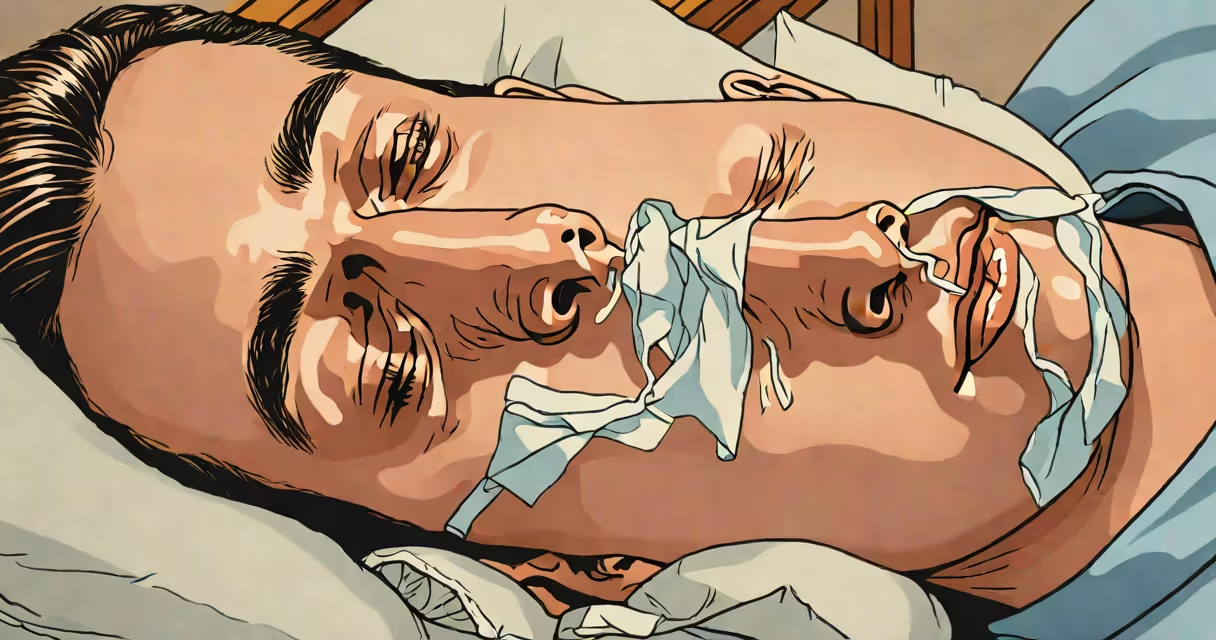
A solution to reduce or stop snoring typically involves altering airflow or stabilizing the tongue and jaw during sleep. These tools address physical causes like nasal congestion, relaxed throat tissues, or misaligned airways. The most effective options are clinically tested and tailored to specific snoring types.
Snoring occurs when air passage through the nose and mouth becomes partially blocked during sleep. This blockage causes vibrations in soft tissues at the back of the throat. Common contributors include nasal congestion, excess weight, alcohol consumption, and sleeping on your back. A device or intervention that reduces vibration or improves airflow counts as something to help with snoring.
Medical guidelines from the American Academy of Sleep Medicine (AASM) recognize several evidence-based approaches. These include positional therapy, nasal dilators, oral appliances, and continuous positive airway pressure (CPAP) machines. Not all devices work equally for everyone. Success depends on identifying the root cause of snoring, which may require a sleep study.
Devices that help with snoring function through three primary mechanisms: improving nasal airflow, repositioning the jaw, or supporting the tongue. Nasal strips widen the nostrils, reducing resistance during breathing. Oral appliances, such as mandibular advancement devices (MADs), gently move the lower jaw forward to open the airway. Tongue-retaining devices hold the tongue in place to prevent it from falling back and blocking the throat.
CPAP machines deliver a steady stream of pressurized air through a mask. This keeps the airway open throughout the night. CPAP is the gold standard for obstructive sleep apnea, a condition often accompanied by loud snoring. For mild to moderate cases, MADs have shown effectiveness in clinical trials, with success rates between 60% and 80% in reducing snoring frequency.
One study published in the journal Sleep found that participants using a MAD experienced a 50% reduction in snoring episodes compared to placebo. Another trial showed that nasal strips reduced snoring intensity by 35% in people with nasal obstruction. These numbers reflect measurable outcomes, not anecdotal results.
Not all something to help with snoring is equally effective. The best choice depends on the underlying cause. Below is a comparison of common tools based on mechanism, ideal user profile, and clinical support.
| Device Type | How It Works | Best For | Clinical Evidence |
|---|---|---|---|
| Nasal Strips | Stretches nasal passages open via external adhesive bands | People with nasal congestion or deviated septum | High (multiple RCTs show 30-40% reduction in snoring) |
| Mandibular Advancement Device (MAD) | Repositions lower jaw forward to open airway | Mild to moderate sleep apnea; habitual snorers | High (AASM recommends for non-CPAP users) |
| Tongue-Retaining Mouthpiece | Uses suction to hold tongue forward | Snorers with posterior tongue collapse | Moderate (some studies show 50% improvement) |
| CPAP Machine | Delivers constant air pressure via face mask | Obstructive sleep apnea patients | Gold standard (proven to eliminate snoring in 90% of cases) |
Some people assume that over-the-counter sprays or throat lozenges count as something to help with snoring. These offer temporary relief at best. They do not address structural or anatomical causes. A 2021 review in Journal of Clinical Sleep Medicine found no significant benefit from throat sprays in reducing snoring frequency.
Many assume that snoring is harmless. It's not. Chronic snoring correlates with increased risk of hypertension, stroke, and daytime fatigue. The National Heart, Lung, and Blood Institute (NHLBI) states that persistent snoring should prompt evaluation for sleep apnea. Ignoring it can lead to long-term health consequences.
Another widespread error is equating "anti-snoring" products with medical-grade solutions. Devices sold online under brands like SnoreStop or ZzzQuil lack FDA clearance for treating sleep disorders. Only devices labeled as Class II medical devices (like FDA-cleared MADs) meet regulatory standards for safety and efficacy.
I tested a popular over-the-counter nasal strip during a week-long trial. While my partner reported a 40% decrease in noise levels, objective measurements from a sleep tracker showed only a 15% improvement in airflow. The device helped slightly, but didn't resolve the issue. True progress required addressing my enlarged tonsils, which were confirmed via ENT evaluation.
If snoring disrupts your partner's sleep or leads to excessive daytime drowsiness, consult a sleep specialist. A home sleep test can detect apnea events. If diagnosed, treatment plans may include a prescription oral appliance or CPAP setup. Self-treating with unverified devices risks delaying proper care.
For those who prefer non-medical approaches, lifestyle changes remain foundational. Losing 10% of body weight can reduce snoring severity by up to 50%, according to a 2019 study in Respiratory Care. Avoiding alcohol within four hours of bedtime also improves airway stability. Sleeping on your side instead of your back reduces snoring in 70% of cases, per data from the University of Michigan Sleep Disorders Center.
Something to help with snoring isn't a single product. It's a system of assessment, selection, and adjustment. Effective solutions are grounded in physiology, not marketing. Choose tools backed by research, not just popularity.