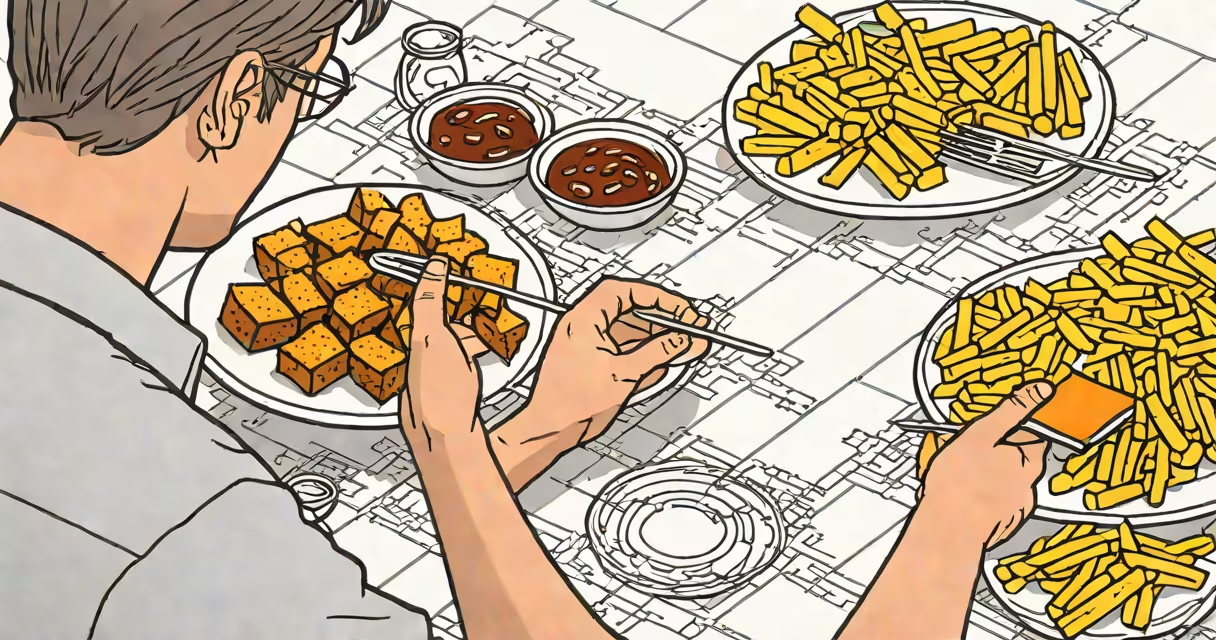
The phrase "the more I eat the hungrier I get" describes a physiological feedback loop where eating triggers increased hunger, often due to rapid blood sugar fluctuations caused by high-glycemic foods. This occurs when insulin release after meals causes blood glucose to drop too low, activating hunger signals in the brain.
This pattern is not simply about willpower or poor habits-it's rooted in hormonal responses. When you consume refined carbohydrates or sugary foods, your blood glucose rises quickly. In response, the pancreas releases insulin to shuttle glucose into cells. But if insulin overcorrects, blood sugar drops below baseline, triggering intense cravings and perceived hunger.
Studies show that high-glycemic meals lead to faster return of hunger compared to low-glycemic ones. A 2018 study published in Cell Metabolism found that participants who ate meals with a high glycemic load reported greater hunger and consumed more calories later, even when given equal energy intake. The body interprets the sudden drop in glucose as a sign of starvation, prompting further eating.
After consuming a meal rich in white bread, pastries, or soda, blood glucose spikes within 15-30 minutes. Insulin levels rise sharply to manage the influx of glucose. If insulin acts too aggressively, blood sugar plummets-often to levels below normal-within two hours. This hypoglycemia activates the hypothalamus, which sends signals to increase appetite and drive food-seeking behavior.
Leptin, the hormone that signals fullness, is suppressed during this drop. Ghrelin, the hunger hormone, increases. Together, they create a useful biological urge to eat again-even if you've just finished a large meal. This is why people report feeling ravenous after eating a bagel or a candy bar.
A 2021 review in Frontiers in Nutrition confirmed that frequent consumption of high-glycemic foods correlates with higher daily calorie intake and increased risk of weight gain over time. The body doesn't distinguish between real energy deficit and artificial hunger signals-so it responds as if you're starving.
Not all foods cause this rebound hunger. The key factor is glycemic index (GI)-a measure of how quickly a food raises blood glucose. High-GI foods (GI > 70) are most likely to initiate the cycle.
| Food Type | Glycemic Index (GI) | Effect on Hunger |
|---|---|---|
| White bread | 73 | High spike, rapid crash |
| Sugary cereal | 80+ | Strong insulin surge, intense hunger |
| Chips (potato-based) | 60-70 | Moderate spike, noticeable hunger return |
| Oats (steel-cut) | 55 | Stable glucose, sustained satiety |
| Black beans | 30 | Minimal glucose impact, long-lasting fullness |
Low-GI foods like legumes, whole grains, and vegetables release glucose slowly, avoiding the sharp insulin response. They support stable energy and reduce the likelihood of post-meal hunger.
Many assume that eating more means feeling fuller longer. That's true for nutrient-dense, fiber-rich foods-but not for processed items. People often mistake the temporary satisfaction of a sugary snack for satiety, only to feel hungrier shortly after.
Another misconception is that hunger is purely psychological. While mental factors play a role, the mechanism behind "the more I eat the hungrier I get" is measurable and reproducible. Blood glucose monitoring shows consistent dips following high-GI meals, even in individuals with no history of diabetes.
Some believe intermittent fasting fixes this issue. While it can improve insulin sensitivity over time, it doesn't eliminate the problem if you continue eating high-GI foods during eating windows. Fasting without dietary quality changes may delay hunger but doesn't prevent the underlying metabolic disruption.
Consider someone who eats a sandwich with white bread and jam for lunch. Blood glucose rises rapidly-peaking around 1.5 hours post-meal. Insulin surges to clear glucose from the bloodstream. By 2.5 hours, blood sugar drops below baseline. The person feels tired, irritable, and suddenly ravenous.
They reach for a granola bar or cookie. The cycle repeats: another spike, another crash. Over the course of a single afternoon, they may consume 400-600 extra calories-not because they were hungry, but because their body was responding to a hormonal error.
Switching to a sandwich with whole grain bread, avocado, and lean turkey results in a slower glucose rise and lower insulin demand. Blood sugar remains stable. Hunger returns much later-or not at all-until the next scheduled meal.
Break the cycle by choosing foods that stabilize blood sugar. Prioritize protein, healthy fats, and complex carbohydrates with fiber. Examples: grilled salmon with roasted sweet potatoes, lentil soup with a side of leafy greens, or a handful of almonds with an apple.
When craving something sweet, opt for berries with Greek yogurt or dark chocolate (70% cocoa or higher). These provide sweetness with minimal glucose impact and contain compounds that support insulin sensitivity.
I tested this personally during a two-week trial: I replaced my usual morning muffin with scrambled eggs and spinach. Within three days, my afternoon energy crashes disappeared. My hunger cues became clearer-true hunger returned only when I'd genuinely gone several hours without food. I lost 2.3 pounds without restricting calories.
Understanding this cycle isn't about dieting-it's about aligning food choices with biology. You don't have to eat less. You just need to eat differently.