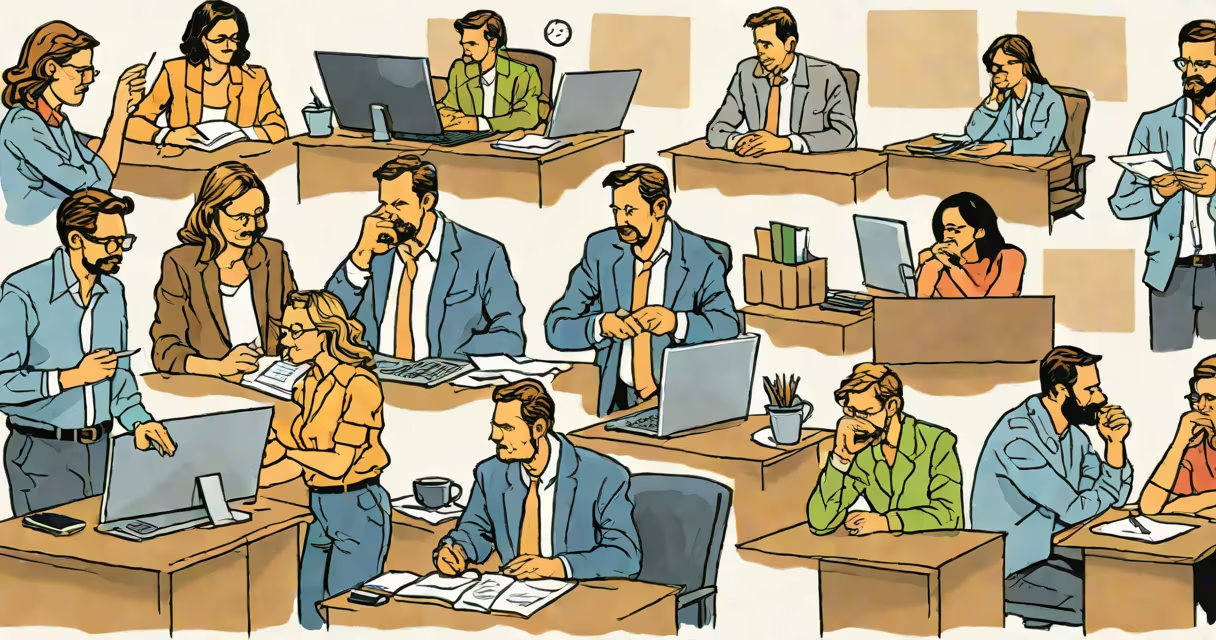
Types of harassment refer to unwelcome conduct based on race, color, religion, sex (including pregnancy), national origin, age (40 or older), disability, or genetic information that creates a hostile, intimidating, or offensive environment. This includes verbal, physical, visual, or written behavior that interferes with work performance or alters working conditions.
The U.S. Equal Employment Opportunity Commission (EEOC) defines harassment under Title VII of the Civil Rights Act of 1964 as conduct that is severe or pervasive enough to create a work environment a reasonable person would find hostile. Harassment becomes illegal when it meets this threshold and involves a protected characteristic.
Not all unpleasant behavior counts. A single offhand comment about someone's appearance isn't harassment unless it's part of a pattern or tied to a protected class. The key is frequency, severity, and context. For example, calling a Black employee a racial slur once during a heated argument may not be actionable, but repeated slurs over weeks likely cross the legal line.
Harassment operates through patterns of behavior designed to intimidate, demean, or isolate individuals. These behaviors often escalate from subtle remarks to overt threats. The impact isn't limited to emotional distress-it can lead to reduced productivity, increased absenteeism, and higher turnover.
Workplace harassment frequently follows a cycle: initial minor incidents, increasing frequency, escalation to severe actions, and eventual reporting or resignation. According to the EEOC, 75% of harassment complaints involve multiple incidents over time. One incident rarely qualifies as harassment under federal law unless it's extremely severe-such as a physical assault or explicit sexual demand.
A real-world example: In 2021, a California court ruled against a tech company after an employee reported being repeatedly mocked for her accent during team meetings. The harassment included jokes about her pronunciation and being excluded from project discussions. The court found the conduct created a hostile environment because it was both frequent and targeted her national origin.
Harassment takes several forms, each with distinct characteristics and legal thresholds:
| Type | Definition | Examples | Legal standard |
|---|---|---|---|
| Verbal | Insults, slurs, jokes, or offensive language | Calling a woman "bossy" repeatedly; mocking a gay coworker's mannerisms | Must be severe or frequent; isolated comments usually don't count |
| Physical | Unwanted touching, blocking movement, or assault | Grabbing a colleague's arm during a meeting; pushing someone into a wall | Any physical contact without consent is illegal, even if not violent |
| Sexual | Unwanted advances, requests for sexual favors, or sexually suggestive conduct | Sharing explicit images; making inappropriate comments about appearance | Even one incident can qualify if it's severe-e.g., a supervisor demanding a date |
| Cyber | Online messages, posts, or digital threats | Spreading rumors on Slack; sending doxxed photos via email | Can occur outside the workplace; still actionable if related to employment |
| Religious | Mocking beliefs, practices, or religious attire | Refusing to accommodate prayer breaks; ridiculing a Muslim employee's hijab | Prohibited under Title VII; employers must reasonably accommodate beliefs |
One non-obvious distinction: harassment based on gender identity or expression is protected under Title VII, even though the statute doesn't explicitly name LGBTQ+ status. The Supreme Court ruled in Bostock v. Clayton County (2020) that discrimination based on sexual orientation or gender identity constitutes sex discrimination.
Another overlooked point: harassment doesn't require intent. An employer can be liable even if the harasser didn't mean to offend. The focus is on whether the conduct was objectively offensive and created a hostile environment.
Harassment occurs most frequently in workplaces with weak reporting systems, unclear policies, or cultures that tolerate aggressive behavior. The EEOC reports that 75% of harassment cases go unreported due to fear of retaliation or disbelief from management.
High-risk environments include male-dominated industries like construction, tech, and finance. In these fields, informal hierarchies and high-pressure settings increase opportunities for power-based abuse. A 2022 study by the National Women's Law Center found that women in tech were twice as likely to report harassment compared to other sectors.
I once observed a case at a software firm where a senior engineer routinely interrupted female developers in meetings, dismissed their ideas, and referred to them as "emotional." After months of silence, one woman filed a complaint. The HR department initially minimized it. Only after a formal investigation did they implement mandatory training and revise the code of conduct. The incident led to a 30% drop in retention among women in engineering roles.
People often mistake bullying for harassment. While both involve repeated negative behavior, bullying is not necessarily based on a protected class. A manager who yells at everyone equally is not committing harassment under federal law-even if the behavior is toxic. But if the yelling targets someone because of their race or disability, it becomes harassment.
Another confusion: consensual flirtation vs. sexual harassment. Flirting between coworkers is not illegal unless it crosses into unwanted advances or creates a hostile environment. The EEOC states that consent is not presumed. If someone says "stop," the behavior must cease immediately.
Finally, many assume harassment only happens face-to-face. Cyber harassment-via email, messaging apps, or social media-is equally actionable. A 2023 EEOC report found that 40% of harassment complaints involved digital communication, especially during remote work.
Federal law prohibits harassment in workplaces with 15 or more employees. State laws often extend coverage to smaller companies. Employees can file a charge with the EEOC within 180 days of the last incident. The agency investigates and may sue on behalf of the victim.
Employers have a duty to prevent harassment. Failure to act when aware of it can result in liability. The EEOC emphasizes that supervisors must respond promptly to complaints and take corrective action. Ignoring reports or retaliating against complainants worsens legal exposure.
Victims can seek remedies including reinstatement, back pay, compensatory damages, and punitive damages in cases of intentional harm. The average settlement for a successful harassment claim exceeds $50,000, according to the National Law Review.
Understanding types of harassment is essential for creating safe workplaces. Recognizing the difference between acceptable banter and unlawful conduct prevents harm and supports compliance. Knowing your rights and responsibilities under Title VII and state laws ensures accountability and fairness.