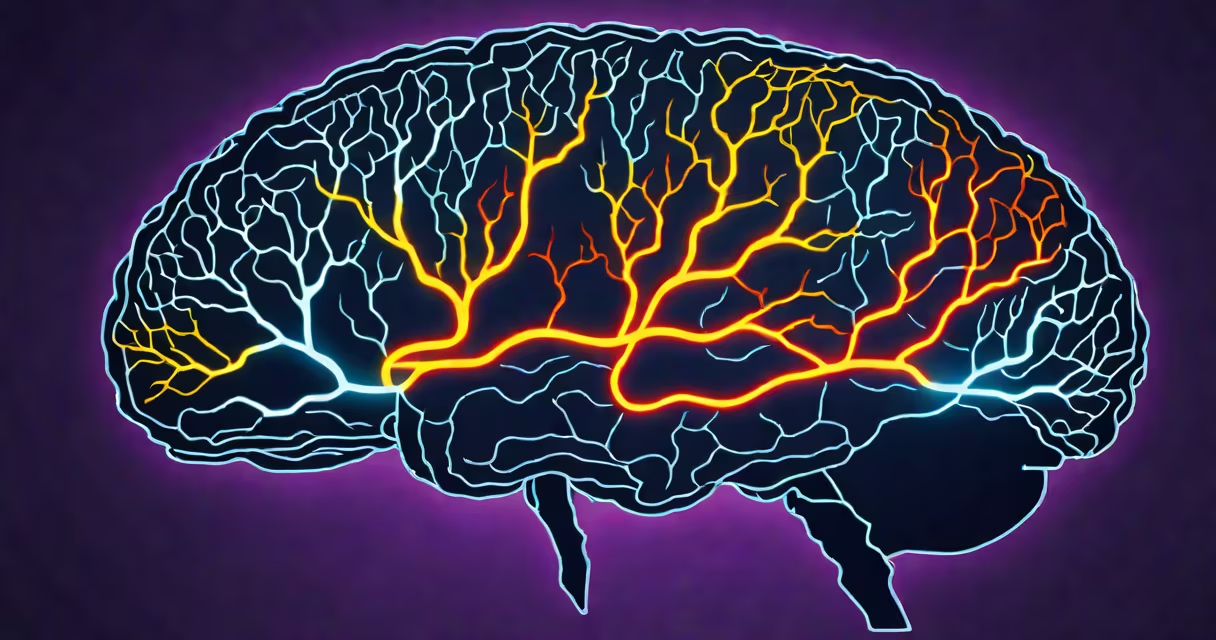
Dreams result from complex brain activity during sleep, particularly in rapid eye movement (REM) stages, where neural circuits fire unpredictably, forming vivid mental imagery, emotions, and narratives. This process integrates memories, processes emotions, and maintains cognitive function.
During sleep, the brain cycles through four stages: N1, N2, N3 (deep sleep), and REM. Dreams most frequently occur in REM sleep, which typically begins about 90 minutes after falling asleep and recurs every 90 minutes throughout the night. The brain's limbic system-responsible for emotion, memory, and motivation-becomes highly active during REM, while the prefrontal cortex, involved in logical reasoning, shows reduced activity. This imbalance explains why dreams often feel surreal, emotionally intense, and illogical.
Neuroimaging studies using fMRI show increased blood flow in the amygdala, hippocampus, and visual centers during REM sleep. These regions correlate with emotional intensity, memory retrieval, and visual imagery-key features of dreams. A 2017 study published in Nature Communications confirmed that specific patterns of neural firing in the temporal lobe predict dream content with 60% accuracy, demonstrating that dreams are not random but rooted in measurable brain states.
The brain doesn't generate dreams passively. Instead, it actively constructs experiences from stored memories, sensory fragments, and emotional residues. When neurons fire in certain sequences during REM, they activate associated neural networks. For example, a person who recently watched a thriller may dream of being chased-neural pathways linked to fear, motion, and spatial awareness fire together.
Memory consolidation plays a key role. Research from Harvard Medical School shows that REM sleep strengthens connections between neurons involved in learning. A 2019 study found that participants who slept after learning a new task recalled it 30% better than those who stayed awake, with REM duration directly correlating to improved performance.
Even external stimuli can influence dreams. Sounds, smells, or physical sensations during sleep can be incorporated into dream narratives. A 2021 study in Sleep Medicine reported that 40% of participants dreamed about sounds they heard during light sleep, such as a phone notification or rain. The brain doesn't filter out input-it interprets it within existing mental frameworks.
Dreams vary widely in content and emotional tone. Common categories include:
| Type | Common Triggers | Neural Basis |
|---|---|---|
| Lucid dreams | High REM density, prior practice in mindfulness | Increased prefrontal cortex activation during REM |
| Recurring dreams | Unresolved stress, trauma, or anxiety | Hyperactivity in the amygdala and hippocampus |
| False awakening dreams | Stress about daily routines, sleep disruption | Activation of motor and sensory areas without actual movement |
| Prophetic dreams | Subconscious pattern recognition, coincidence | No scientific evidence of foresight; misattributed memory recall |
Recurring dreams often stem from unresolved psychological conflicts. The American Psychological Association notes that people experiencing recurring nightmares are twice as likely to report symptoms of PTSD or generalized anxiety. These dreams aren't warnings-they're the brain's attempt to rehearse coping strategies under stress.
False awakenings-where you dream you've woken up but remain asleep-are common during fragmented sleep. They happen when the brain activates wakeful neural patterns prematurely, leading to a sense of reality that collapses upon attempted action. One participant in a 2020 University of California study described dreaming they opened their eyes, got out of bed, and turned on the lights-only to realize mid-motion that they were still asleep.
Many assume dreams reflect hidden truths or supernatural messages. But neuroscience shows they are grounded in biology, not mysticism. Dreams do not predict the future. Any apparent "prophetic" dreams are coincidental matches between random mental images and later events, a phenomenon known as apophenia-the human tendency to see patterns in noise.
Another myth is that dreaming happens only in REM sleep. While REM is the most vivid stage, dreams can occur in non-REM sleep too. A 2018 study in Current Biology found that 15% of dreams reported by participants occurred during N2 sleep, characterized by brief bursts of brainwave activity called sleep spindles. These dreams were simpler, often involving repetitive actions or familiar environments.
Some believe suppressing dreams reduces their frequency. In reality, dream suppression isn't possible-brain activity continues regardless of intent. The only way to reduce dream recall is to alter sleep architecture, such as reducing REM duration through medication or sleep deprivation. But doing so harms memory and mood regulation.
Consider a 32-year-old woman who hasn't spoken to her childhood friend since high school. After a stressful week at work, she dreams of walking through their old school hallway, hearing laughter, and seeing her friend's face-though the scene feels distorted and dreamlike. She wakes feeling nostalgic but confused.
This dream likely stems from recent emotional strain activating dormant memories. The hippocampus retrieves fragmented sensory details-school colors, locker sounds-while the amygdala adds emotional weight. The brain combines these elements into a narrative that feels real. The dream isn't about the friend; it's about processing unresolved feelings tied to identity formation during adolescence.
She later realized the dream mirrored her current struggle with workplace confidence. The school setting symbolized a time when she felt insecure. This aligns with research from Stanford University showing that social memories are reactivated during REM sleep, especially when current stressors mirror past experiences.
Understanding dream triggers helps distinguish between meaningful mental processing and random neural noise. If you frequently dream about someone you haven't seen in years, it's not a sign of fate-it's your brain organizing emotional and autobiographical material.
What causes someone to dream is not a single event but a cascade of neurological processes shaped by memory, emotion, and sleep architecture. Dreams are not random-they are the brain's way of maintaining balance, integrating experience, and preparing for future challenges.