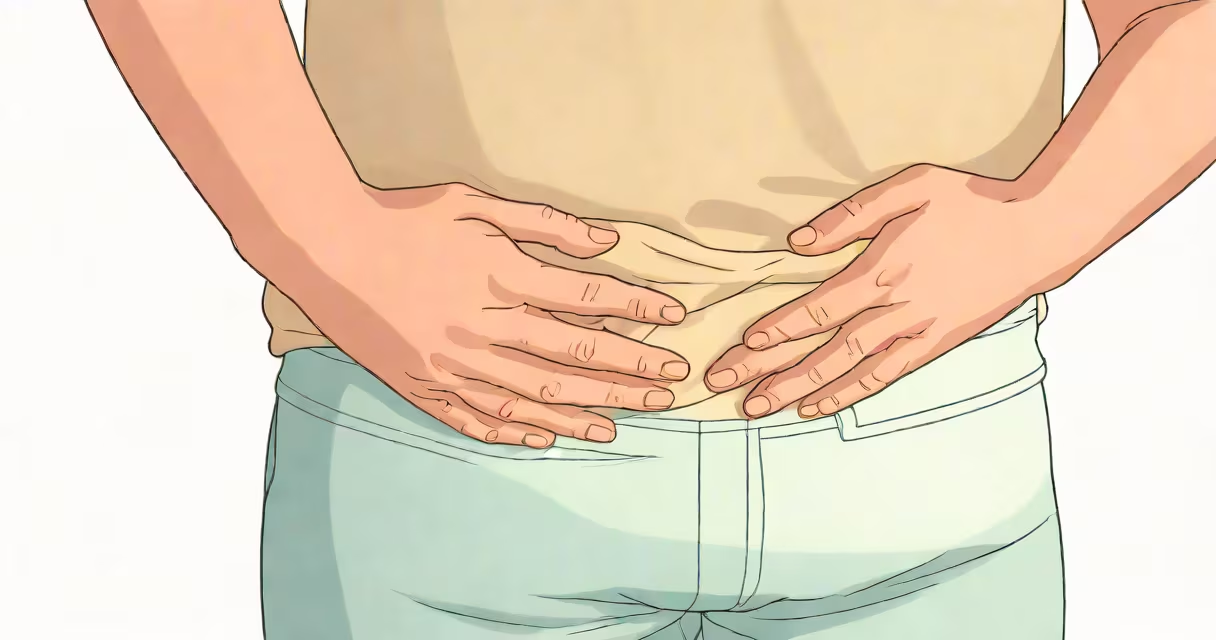
Pain in the lower right abdomen may indicate appendicitis, ovarian cysts, diverticulitis, or gastrointestinal conditions such as Crohn's disease. This area houses the appendix, part of the large intestine, and reproductive organs in people assigned female at birth. Persistent or worsening pain requires prompt evaluation.
The lower right quadrant (LRQ) of the abdomen contains structures critical to digestion, immune function, and reproduction. The appendix, located near the junction of the small and large intestines, is the most common source of acute pain in this region. When inflamed, it can cause localized tenderness, fever, and loss of appetite. According to the American College of Surgeons, untreated appendicitis leads to rupture in about 15% of cases, increasing infection risk.
Other potential causes include kidney stones passing through the ureter, which runs along the right side of the abdomen. These can cause sharp, intermittent pain that radiates to the groin. Hernias-especially inguinal ones-may also present as a dull ache or bulge in the lower right area. In people assigned female at birth, ovarian cysts or ectopic pregnancy can mimic appendicitis, making accurate diagnosis essential.
Pain begins when tissue becomes inflamed, stretched, or obstructed. Nerve endings in the abdominal wall and internal organs send signals to the brain via spinal pathways. The brain interprets these signals as pain based on location, intensity, and duration. For example, inflammation of the appendix triggers localized pain around the navel that shifts to the lower right quadrant within 6-12 hours.
Acute pain typically appears suddenly and lasts less than three months. Chronic pain persists beyond three months and often involves underlying conditions like irritable bowel syndrome (IBS) or endometriosis. A study published in Annals of Internal Medicine found that 12% of patients presenting with right lower quadrant pain were misdiagnosed initially due to overlapping symptom patterns.
When pain is constant and worsens with movement, coughing, or pressure, it suggests a structural issue like a perforated organ or abscess. Sudden onset with severe cramping may indicate a bowel obstruction or torsion of a loop of intestine. These require immediate imaging and surgical intervention.
Understanding the pattern of pain helps narrow the diagnosis. Below are key conditions affecting the lower right abdomen, their typical presentations, and diagnostic markers.
| Condition | Typical Pain Pattern | Associated Symptoms | Diagnostic Confirmation |
|---|---|---|---|
| Appendicitis | Starts near the navel, migrates to lower right side over 6-12 hours | Fever, nausea, loss of appetite, rebound tenderness | CT scan shows thickened appendix with fluid; white blood cell count elevated |
| Ovarian Cyst | Sudden, sharp pain on one side; may recur monthly | Menstrual cycle-related; possible vaginal spotting | Transvaginal ultrasound reveals fluid-filled sac on ovary |
| Crohn's Disease | Intermittent cramping, often with diarrhea and weight loss | Chronic fatigue, low-grade fever, blood in stool | Colonoscopy shows skip lesions; MRI enterography confirms inflammation |
| Kidney Stone | Severe, colicky pain that moves from flank to groin | Nausea, vomiting, hematuria (blood in urine) | Non-contrast CT scan identifies stone in ureter |
One non-obvious distinction: appendicitis pain usually worsens with sudden movements like jumping or coughing. This is known as rebound tenderness-a physical exam sign where pressing and releasing the area causes increased pain. In contrast, ovarian cyst pain tends to be steady and may improve with rest or heat application.
I once observed a patient who reported mild lower right pain for two days. He denied fever or changes in bowel habits. On examination, he had no rebound tenderness. A CT scan revealed a 2.3 cm renal calculus in the distal ureter. The pain resolved after hydration and medication within 48 hours. This case highlights that not all right-sided pain stems from the appendix.
Seek urgent care if pain is severe, sudden, or accompanied by fever above 101°F (38.3°C), vomiting, inability to pass gas or stool, or signs of shock such as dizziness or rapid heartbeat. These suggest complications like perforation, obstruction, or hemorrhage.
For persistent or recurring pain, even without red flags, consult a healthcare provider. A primary care physician may refer to a gastroenterologist or gynecologist depending on sex assigned at birth and history. Imaging such as ultrasound or CT scan is often required to confirm or rule out structural causes.
One common misconception is that all right-sided abdominal pain is appendicitis. In reality, only 10-15% of patients with LRQ pain have appendicitis, according to the National Institute of Diabetes and Digestive and Kidney Diseases. Misdiagnosis delays treatment and increases complication rates.
Recognizing the difference between harmless discomfort and serious pathology prevents unnecessary anxiety and ensures timely care. If you experience unexplained lower right abdominal pain lasting more than 24 hours, do not wait. Consult a provider for proper evaluation.