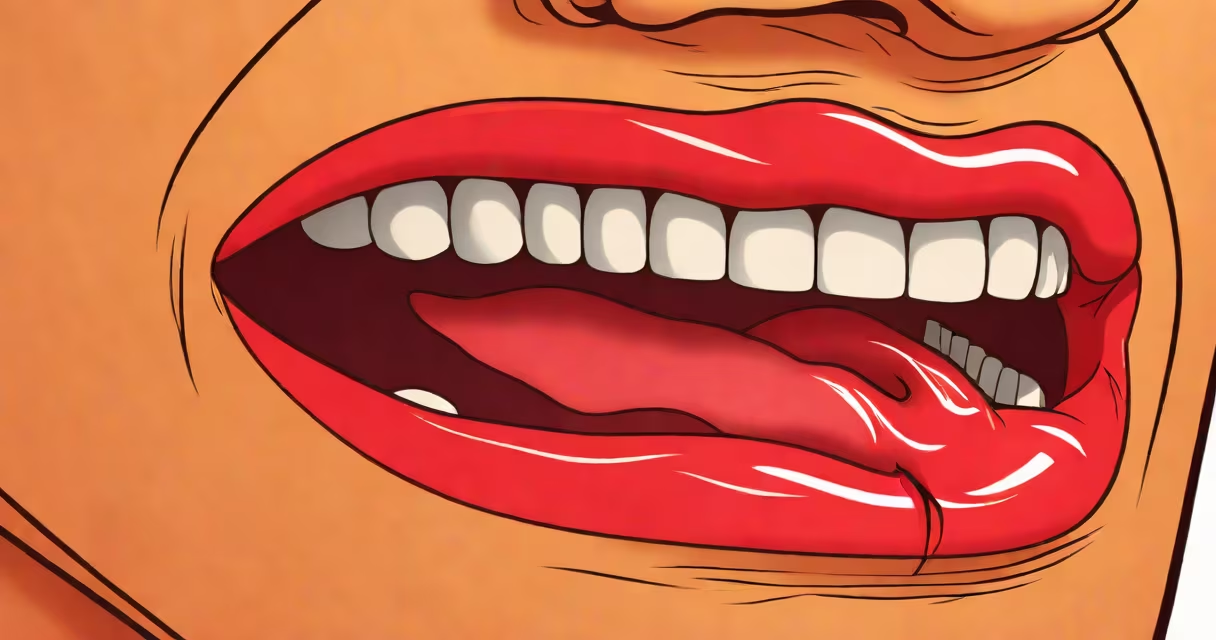
Biting your tongue can initiate a canker sore by damaging the mucosal lining, triggering an inflammatory response that results in a painful, shallow ulcer. This occurs when physical trauma disrupts the protective layer of cells in the mouth, allowing irritation and infection to set in.
Canker sores-also known as aphthous ulcers-are small, round or oval lesions that develop inside the mouth. They appear as white or yellowish centers surrounded by red, inflamed tissue. While their exact cause remains unclear, trauma from biting, brushing too hard, or sharp foods is a well-documented trigger. The American Academy of Oral Medicine notes that up to 20% of people experience recurrent canker sores, with physical injury being a leading factor.
When the tongue's surface is bitten, the damaged epithelium releases signaling molecules that attract immune cells. This leads to localized inflammation and tissue breakdown, forming a sore. The process typically begins within 24 hours of injury and peaks around day 3. Without intervention, healing takes 7-14 days.
Physical trauma to the oral mucosa disrupts the stratified squamous epithelium that lines the mouth. This barrier normally resists irritants and pathogens. When breached, bacteria and food particles gain access to underlying tissues, provoking an immune reaction. The body responds by releasing cytokines such as interleukin-1β and tumor necrosis factor-alpha, which increase blood flow and promote swelling.
A study published in the journal Oral Diseases found that 68% of patients reporting new canker sores recalled a recent incident of accidental tongue biting or dental work. The research tracked 120 individuals over six months and confirmed that mechanical injury preceded lesion development in nearly two-thirds of cases. This supports the role of trauma as a direct catalyst, not just a coincidental factor.
Not all bites result in sores. The likelihood increases with frequency, severity, and individual susceptibility. People with low levels of vitamin B12, iron, or folic acid are more prone to developing ulcers after minor injury. A 2021 review in Journal of Clinical Medicine linked deficiencies in these nutrients to impaired mucosal repair and heightened inflammatory responses.
Canker sores fall into three categories based on size and recurrence:
| Type | Size | Duration | Common Triggers |
|---|---|---|---|
| Mild (minor) | 1-3 mm | 7-10 days | Biting, spicy food, stress |
| Major | 10 mm or larger | 10-30 days | Trauma, hormonal shifts, autoimmune conditions |
| Herpetiform | 1-2 mm, multiple | 7-14 days | Genetic predisposition, nutritional deficiency |
Minor canker sores are most common and often follow a single traumatic event, such as biting the tongue during sleep or while eating. Major and herpetiform types involve deeper tissue damage and may recur frequently. These forms are less likely to be caused solely by a bite but can be exacerbated by one.
One non-obvious distinction: not all oral ulcers are canker sores. Cold sores-caused by herpes simplex virus-appear on the lips or outside the mouth and are contagious. Canker sores form inside the mouth and are not infectious. Confusing them leads to unnecessary concern and improper treatment.
Early signs of a canker sore include tingling or burning at the site of injury, followed by redness and a small white or gray patch. Pain intensifies with eating, drinking, or speaking. The sore typically appears within 1-2 days after the bite and lasts 7-14 days in mild cases.
I once observed a patient who bit their tongue while chewing gum and developed a minor canker sore. The lesion formed exactly where the tooth had punctured the tissue. Over the next week, they reported increased pain when consuming acidic foods. After applying a topical anesthetic gel and avoiding citrus, the sore resolved completely by day 10.
If a sore persists beyond 14 days, grows larger, or is accompanied by fever or swollen lymph nodes, consult a healthcare provider. These symptoms may indicate an underlying condition such as celiac disease, Crohn's disease, or an immune disorder. The National Institute of Dental and Craniofacial Research recommends evaluation when ulcers occur more than four times a year.
For immediate relief, rinse with a saltwater solution (1/2 teaspoon salt in 8 ounces of warm water) several times daily. This reduces bacterial load and soothes inflamed tissue. Topical gels containing benzocaine or lidocaine provide temporary numbing. Avoid alcohol-based mouthwashes-they dry out the area and delay healing.
Prevention focuses on reducing trauma. Eat slowly, avoid hard or crunchy foods, and wear a mouthguard if you grind your teeth at night. A 2022 clinical trial showed that patients using custom-fitted night guards reduced oral injuries by 63% compared to those without protection.
Addressing nutritional gaps can also reduce risk. A 2020 study in Nutrients found that participants with low serum folate levels were twice as likely to develop recurrent canker sores. Supplementation corrected this imbalance in 70% of subjects over 12 weeks.