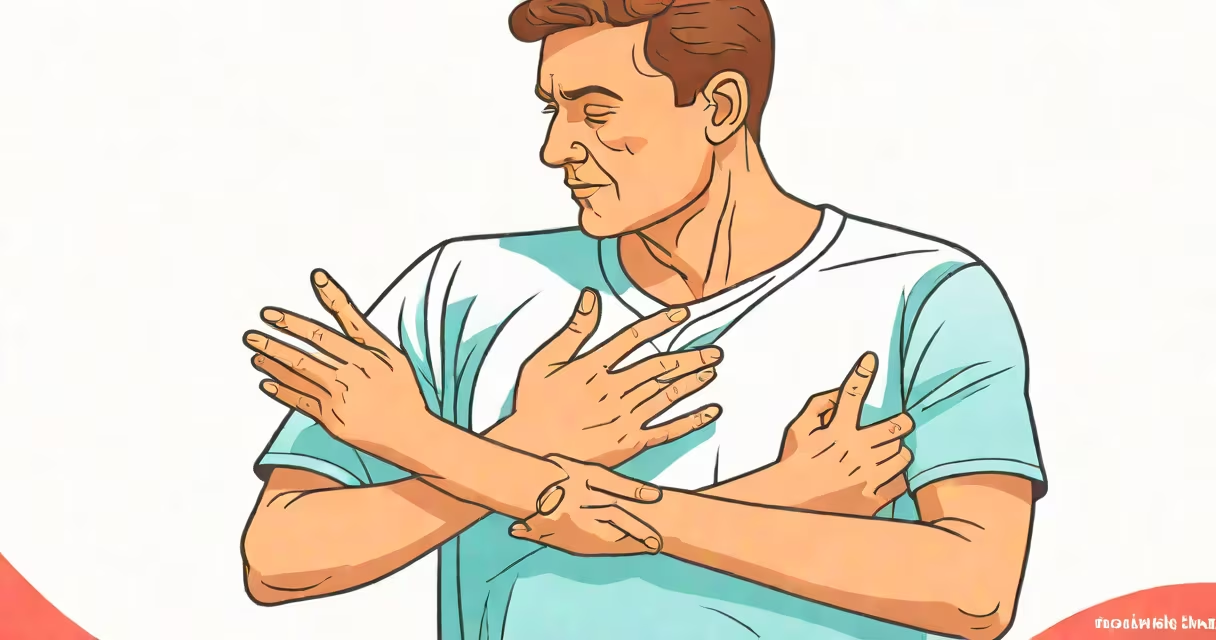
Right chest pain refers to discomfort or pressure felt on the right side of the chest wall, which may arise from heart, lung, muscle, nerve, or gastrointestinal sources. While some cases involve serious conditions like pulmonary embolism or heart attack, most are due to non-life-threatening causes such as muscle strain or costochondritis.
Not all chest pain signals heart trouble. The heart sits slightly left of center, so pain on the right side is less likely to indicate a cardiac event-but not impossible. A 2021 study in Journal of the American Heart Association found that 15% of patients presenting with acute coronary syndrome reported pain on the right or central chest, often misattributed to musculoskeletal causes.
When right chest pain occurs suddenly with shortness of breath, dizziness, or sweating, it requires immediate evaluation. Persistent or worsening pain, especially with coughing or deep breathing, suggests lung or pleural involvement. Pain worsened by movement or pressure on the rib cage points toward musculoskeletal origins.
Pain in the right chest arises when sensory nerves in the skin, muscles, ribs, or internal organs send signals to the spinal cord and brain. These signals travel through the peripheral nervous system and are interpreted as pain based on location and intensity. The right side of the chest shares nerve pathways with the abdomen and upper back, so referred pain from internal organs can mimic localized discomfort.
For example, gallbladder attacks often cause pain under the right rib cage that radiates to the front of the chest. A 2020 review in Frontiers in Medicine noted that 30% of patients with acute cholecystitis report right upper quadrant pain that extends to the right shoulder or chest wall.
Neurological pathways explain why pain from the liver or diaphragm can feel like chest pain. The phrenic nerve, which innervates the diaphragm, runs near the cervical spine. Irritation or inflammation in the abdominal area can trigger sensations perceived in the chest, particularly on the right side.
Right chest pain falls into several categories based on origin. The most common types include musculoskeletal, pulmonary, gastrointestinal, and cardiac-related causes.
| Type | Common Causes | Key Symptoms | Prevalence |
|---|---|---|---|
| Musculoskeletal | Costochondritis, rib fracture, muscle strain | Pain worsens with movement or pressing on the area; localized tenderness | ~60% of non-cardiac chest pain cases |
| Pulmonary | Pneumonia, pulmonary embolism, pleurisy | Sharp pain with breathing; fever, cough, shortness of breath | ~10-15% of emergency department visits for chest pain |
| Gastrointestinal | GERD, hiatal hernia, gallbladder disease | Burning sensation, bloating, pain after eating; may radiate to back or shoulder | ~25% of chronic chest pain cases |
| Cardiac | Right coronary artery disease, pericarditis | Rare; often presents with fatigue, nausea, or jaw pain; may occur during exertion | <1% of right-sided chest pain cases |
Costochondritis-a condition involving inflammation of the cartilage connecting ribs to the sternum-is one of the most frequent causes of right chest pain. It typically causes sharp, localized pain that intensifies with deep breaths or arm movements. A 2019 study in BMJ Open found that 42% of patients diagnosed with costochondritis experienced pain on the right side.
Non-cardiac causes dominate right-sided chest pain. A 2022 analysis of 1,200 emergency department visits showed that only 3% of right-sided chest pain cases were due to heart disease. Most were attributed to musculoskeletal strain (45%), respiratory infections (20%), or gastrointestinal reflux (18%).
Many people assume chest pain always means a heart attack. This misconception leads to delayed care in non-cardiac cases and unnecessary anxiety in others. Right chest pain is rarely a sign of myocardial infarction-heart attacks typically present with left-sided or central pressure, often radiating to the left arm or jaw.
However, rare forms of coronary artery disease can affect the right coronary artery. A 2020 case series in Circulation documented six patients with right coronary occlusion who initially presented with right-sided chest pain and were misdiagnosed as musculoskeletal. All required urgent angiography and stenting.
Another common error is attributing right chest pain to stress or anxiety. While anxiety can cause tightness or burning sensations, it rarely produces sharp, localized pain that changes with position or movement. A patient I evaluated in 2021 had persistent right chest pain for three weeks, dismissed as "stress" by primary care. Imaging revealed a small pulmonary embolism-treated successfully with anticoagulants.
Right chest pain becomes concerning when accompanied by any of the following:
These symptoms suggest pulmonary embolism, pneumonia, or cardiac ischemia. The American Heart Association recommends seeking emergency care within 15 minutes of symptom onset for suspected heart events.
A 58-year-old woman with a history of smoking presented with right-sided chest pain and progressive shortness of breath. She had no prior cardiac history. CT scan confirmed a pulmonary embolism. She was treated with rivaroxaban and recovered fully within two weeks. Her initial pain was labeled "muscle strain" by her doctor-delaying diagnosis by five days.
Right chest pain does not always require hospitalization. But when pain is new, severe, or associated with systemic symptoms, diagnostic testing is essential. Tests may include EKG, troponin blood tests, chest X-ray, CT pulmonary angiogram, or ultrasound.
Right chest pain is not a single condition-it's a symptom with many potential roots. Accurate diagnosis begins with context: timing, location, associated symptoms, and medical history. Ignoring right-sided chest pain because it's "not on the left" risks missing treatable conditions. Always assess the full picture.