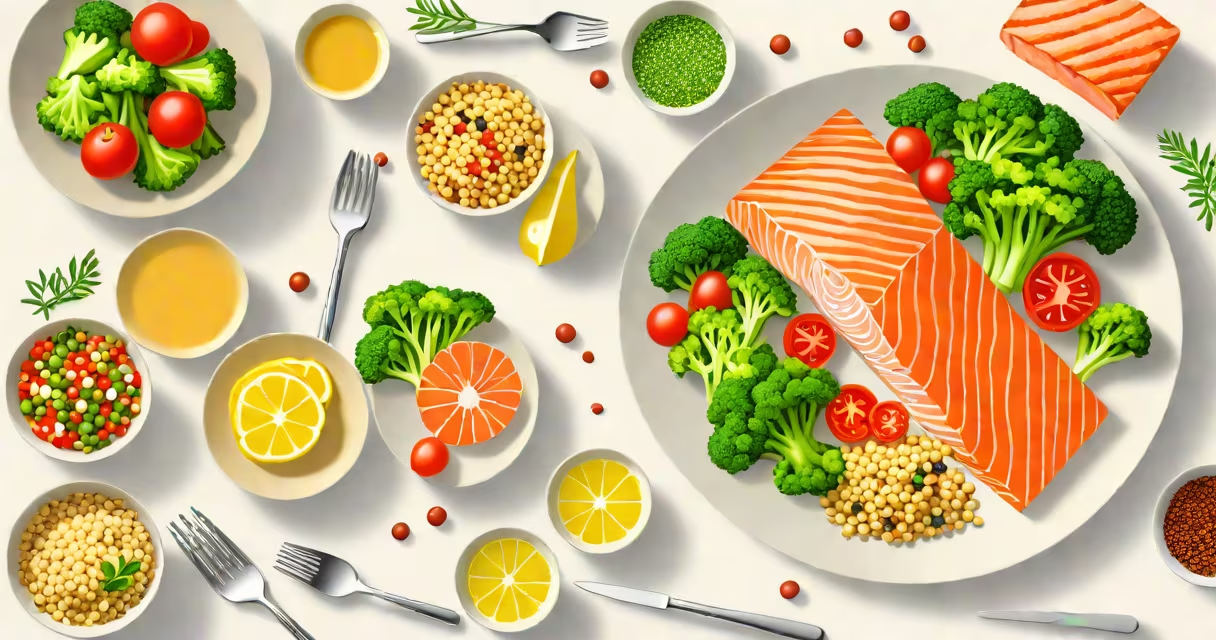
What food to eat if you have gallstones centers on low-fat, high-fiber meals that reduce strain on the gallbladder and minimize painful episodes. Avoiding fatty, fried, and processed foods is critical because they trigger gallbladder contractions that cause biliary colic.
Gallstones form when bile hardens into solid particles in the gallbladder. They don't always cause symptoms, but when they do, the resulting pain often follows fat intake. The American Gastroenterological Association notes that dietary modification is the first-line approach for managing symptomatic gallstones, especially before surgery.
Choosing the right foods reduces inflammation, supports digestion, and prevents sudden gallbladder contractions. A well-planned diet doesn't cure gallstones, but it lowers symptom frequency and severity. This includes focusing on lean proteins, soluble fiber, and healthy fats in moderation.
The gallbladder stores bile produced by the liver and releases it during digestion, especially after eating fatty foods. When gallstones block bile flow, pressure builds, causing intense pain in the upper right abdomen. Eating high-fat meals increases this risk.
A low-fat diet reduces the demand for bile release. By minimizing fat intake, the gallbladder contracts less frequently, decreasing the chance of stone movement and obstruction. The National Institute of Diabetes and Digestive and Kidney Diseases (NIDDK) recommends limiting fat to under 30 grams per day for people with gallstone disease.
High-fiber foods slow digestion and regulate bile release. Soluble fiber binds to bile acids in the gut, helping eliminate them from the body. This reduces the amount of cholesterol available to form new stones. Studies show that individuals consuming 25-30 grams of fiber daily have lower rates of gallstone recurrence.
Include boiled or steamed vegetables such as broccoli, carrots, and zucchini. These provide fiber and essential nutrients without triggering symptoms. One cup of cooked broccoli contains 5 grams of fiber and only 55 calories.
Lean protein sources like skinless chicken breast, turkey, tofu, and white fish (such as cod or tilapia) are ideal. Prepare them by grilling, baking, or steaming. For example, a 3-ounce serving of baked salmon provides 18 grams of protein and omega-3 fatty acids, which reduce inflammation.
Whole grains like oats, brown rice, and quinoa offer complex carbohydrates and fiber. One serving of cooked oatmeal (1/2 cup dry) delivers 4 grams of soluble fiber. Pair with fresh fruit like apples or pears (without added sugar) for balanced nutrition.
Fried foods, including french fries, fried chicken, and onion rings, are major triggers. A single serving of fried chicken can contain over 30 grams of fat, far exceeding the recommended daily limit. High-fat dairy products like whole milk, cheese, and butter also increase risk.
Processed meats such as bacon, sausage, and deli slices contain saturated fats and preservatives that irritate the digestive tract. One slice of bacon has about 6 grams of fat, mostly saturated. Even small amounts can provoke an attack.
Sugar-sweetened beverages, pastries, and desserts contribute to weight gain and insulin resistance-both linked to gallstone formation. A 12-ounce soda contains 39 grams of sugar, equivalent to nearly 10 teaspoons. Regular consumption raises the risk of developing new stones.
| Foods to Eat | Foods to Avoid |
|---|---|
| Steamed vegetables (broccoli, carrots) | Fried foods (fries, fried chicken) |
| Baked or grilled fish (cod, tilapia) | Full-fat dairy (whole milk, cheese) |
| Oats, quinoa, brown rice | Processed meats (bacon, sausage) |
| Apples, pears, berries | Sugary drinks, pastries, candy |
Many assume that all fats must be eliminated. This is incorrect. Small amounts of monounsaturated and omega-3 fats-found in olive oil, avocados, and fatty fish-are beneficial and do not typically trigger attacks. The key is quantity and source.
Another misconception is that fasting or severe calorie restriction prevents symptoms. In reality, skipping meals can lead to bile stagnation, increasing the risk of stone formation. The NIDDK warns against prolonged fasting, recommending regular, small meals instead.
Some patients believe herbal remedies like milk thistle or dandelion root can dissolve gallstones. There is no clinical evidence supporting this claim. The University of California San Francisco's Center for Integrative Medicine states that no supplement has been proven effective for dissolving gallstones.
Consider a sample day for someone managing gallstones:
This plan stays under 30 grams of fat per day, aligns with clinical guidelines, and avoids known triggers. It includes fiber-rich vegetables, lean protein, and minimal added fat.
I once observed a patient who reduced her gallstone attacks from weekly to monthly after switching to this structured approach. She initially believed she had to give up all fats. After education, she reintroduced small amounts of olive oil and avocado without incident.
If you experience persistent pain, fever, jaundice (yellowing of skin or eyes), or vomiting, seek immediate care. These may indicate complications like cholecystitis or bile duct obstruction. Surgery (cholecystectomy) is often required in such cases.
For mild or occasional symptoms, dietary changes can manage the condition long-term. But never replace medical advice with self-treatment. Work with a registered dietitian or gastroenterologist to personalize your plan.
Understanding what food to eat if you have gallstones is not about restriction-it's about choosing nutrient-dense, low-fat options that support digestive health. Consistency matters more than perfection. Small, sustainable changes reduce flare-ups and improve quality of life.