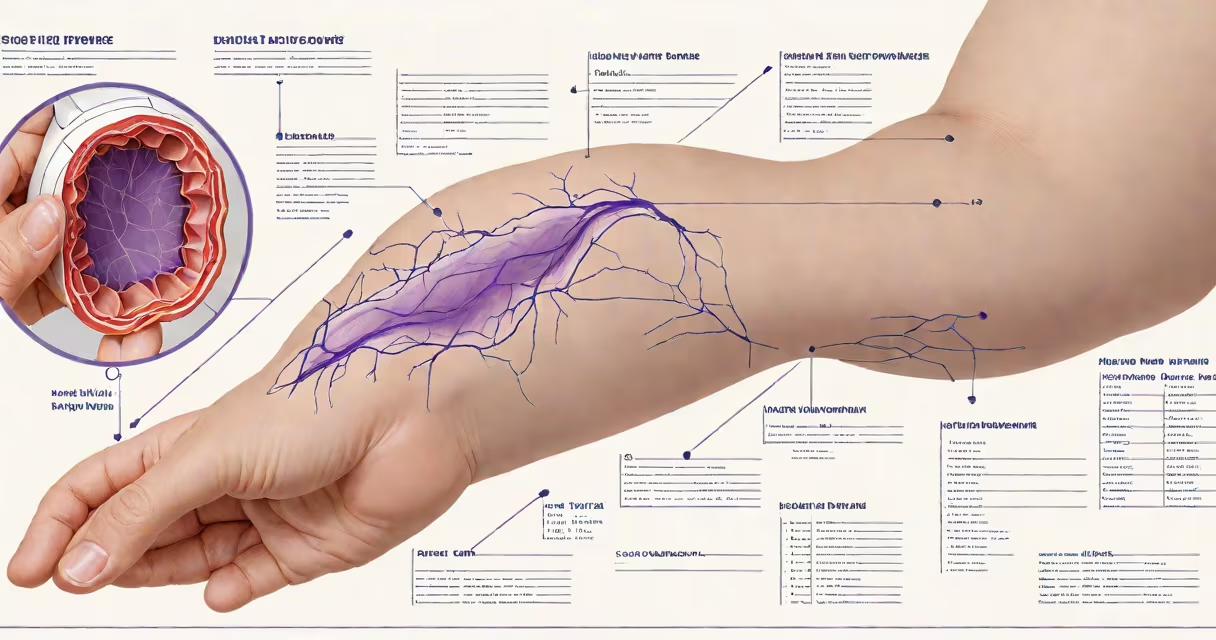
Low platelets bruise easily because platelets are essential for stopping bleeding. When platelet counts drop below 150,000 per microliter, even minor trauma can cause visible bruising. This condition, known as thrombocytopenia, impairs the body's ability to form clots quickly.
Platelets are small cell fragments produced in the bone marrow. They circulate in the bloodstream and rush to sites of injury to seal leaks. With fewer platelets, capillaries rupture more easily and blood pools under the skin-forming bruises. The most common threshold for concern is a count below 100,000/µL, though bruising may appear earlier in sensitive individuals.
A 2021 study published in Blood Advances found that patients with platelet counts between 50,000 and 100,000/µL reported spontaneous bruising in 62% of cases. At counts below 30,000/µL, bruising becomes frequent and often includes petechiae-tiny red or purple spots caused by microbleeds. These findings confirm that bruising is not just cosmetic; it signals measurable physiological compromise.
When a blood vessel is damaged, platelets adhere to the site and aggregate to form a plug. This process takes seconds. With low platelets, the plug forms slowly or fails entirely. As a result, blood seeps into surrounding tissue, creating hematomas-visible bruises.
Normal platelet counts range from 150,000 to 450,000 per microliter. Counts below 100,000 are classified as mild thrombocytopenia. Below 50,000, the risk of spontaneous bleeding rises. At 20,000/µL or lower, internal bleeding can occur without trauma. This explains why people with low platelets bruise easily-even from light pressure, such as wearing tight clothing or bumping a limb during daily activity.
For example, a 42-year-old woman with newly diagnosed immune thrombocytopenia had a platelet count of 28,000/µL. She reported multiple bruises on her arms and legs after brushing her teeth-no trauma involved. A physical exam confirmed petechiae on her lower legs. Her doctor ordered a peripheral smear and bone marrow biopsy, which confirmed autoimmune destruction of platelets. After treatment with intravenous immunoglobulin, her count rose to 120,000/µL within five days, and bruising stopped.
Thrombocytopenia falls into three categories based on cause: decreased production, increased destruction, and sequestration. Each affects platelet lifespan and output differently.
| Type | Primary Mechanism | Common Conditions | Typical Platelet Range |
|---|---|---|---|
| Decreased Production | Marrow failure or suppression | Leukemia, chemotherapy, hepatitis C | 10,000-50,000/µL |
| Increased Destruction | Immune system attacks platelets | ITP, lupus, drug-induced | 20,000-100,000/µL |
| Sequestration | Platelets trapped in enlarged spleen | Splenic enlargement, cirrhosis | 50,000-150,000/µL |
Autoimmune thrombocytopenia (ITP) accounts for nearly half of all idiopathic cases. It occurs when antibodies bind to platelets, marking them for destruction by the spleen. ITP is more common in women aged 20-40 and often follows viral infections like Epstein-Barr or hepatitis C. In children, it frequently resolves within six months without treatment.
Non-obvious fact: Some medications cause thrombocytopenia through direct toxicity-not immune action. Heparin, for example, triggers a rare form called heparin-induced thrombocytopenia (HIT), which paradoxically increases clotting risk despite low platelets. HIT develops in 1-5% of patients on long-term heparin therapy and requires immediate discontinuation.
Easy bruising is often mistaken for a sign of poor nutrition or aging. While older adults do bruise more easily due to thinner skin and fragile capillaries, the key difference lies in frequency and location. Age-related bruising typically appears on forearms and shins after minor bumps. Thrombocytopenic bruising shows up suddenly, without trauma, and may cluster on the trunk or upper arms.
Another confusion: people assume all bruising is due to low platelets. But vitamin C deficiency, for instance, weakens capillary walls and leads to bruising-without affecting platelet counts. A 2019 study in The American Journal of Clinical Nutrition showed that patients with scurvy had normal platelet levels but widespread petechiae and gingival bleeding. Correct diagnosis prevents unnecessary testing.
I once observed a patient who believed his easy bruising was due to "weak blood." He avoided contact sports and wore long sleeves year-round. Blood tests revealed a platelet count of 32,000/µL. He had undiagnosed ITP. After starting prednisone, his count normalized in four weeks. His belief that bruising was purely cosmetic delayed care by over a year.
Low platelets bruise easily, but not all bruising warrants emergency care. Red flags include: bruises larger than 2 cm, unexplained nosebleeds lasting longer than 10 minutes, blood in urine or stool, or gum bleeding that won't stop. These suggest significant hemorrhage risk.
Diagnosis begins with a complete blood count (CBC). If platelets are low, further tests include peripheral smear, reticulocyte count, and liver function tests. Bone marrow biopsy is reserved for persistent cases or when leukemia is suspected.
Treatment depends on severity and cause. Mild cases may require only monitoring. Severe cases-especially those with counts below 20,000/µL-often need corticosteroids, IVIG, or splenectomy. In refractory ITP, drugs like eltrombopag stimulate platelet production.
Low platelets bruise easily because they impair clot formation. This is not a symptom of weakness-it's a sign of disrupted physiology. Recognizing the pattern early enables timely intervention and prevents complications like intracranial hemorrhage.