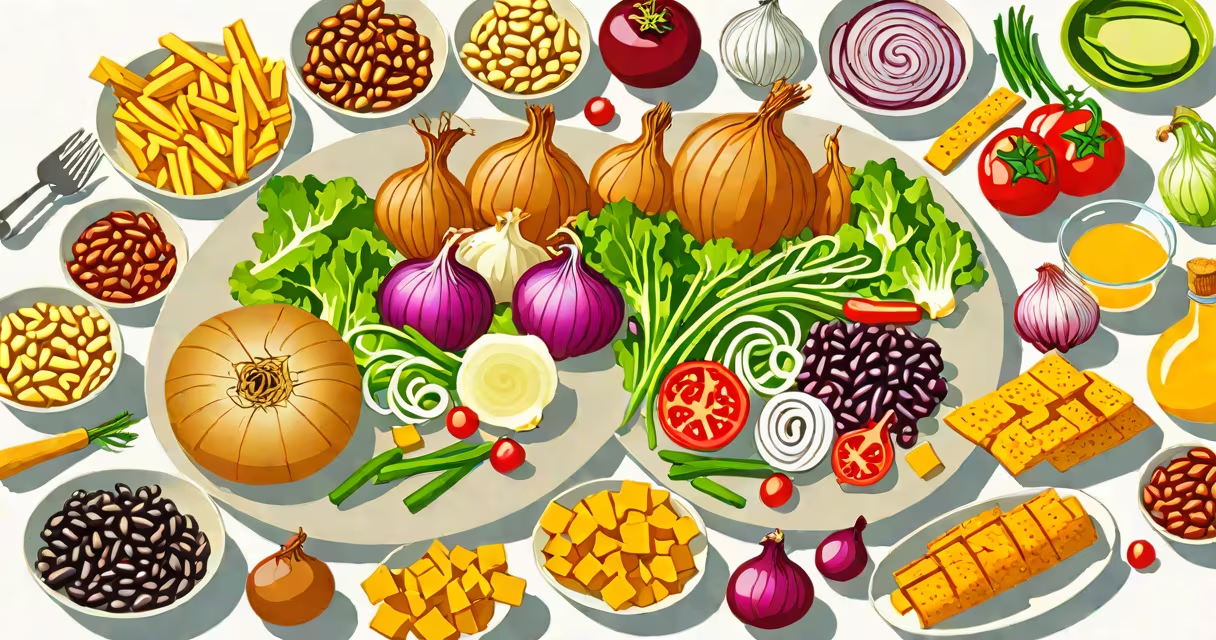
Foods that cause IBS flare-ups include high-FODMAP items like onions, garlic, beans, dairy, and processed snacks containing artificial sweeteners. These foods ferment in the gut, increasing gas and bloating, which worsen abdominal pain and bowel changes in people with irritable bowel syndrome.
IBS flare-ups stem from abnormal gut motility and heightened visceral sensitivity. When certain foods enter the digestive tract, they may ferment rapidly in the colon due to poor absorption. This fermentation produces gas, distends the bowel wall, and triggers pain signals. The result is cramping, diarrhea, constipation, or alternating patterns - all hallmarks of an IBS episode.
The University of Michigan's Center for Integrative Medicine notes that dietary triggers account for up to 70% of IBS symptom exacerbations. Identifying personal triggers through elimination diets is the most effective way to reduce flare-ups. Not all triggers affect everyone equally - individual responses vary based on gut microbiome composition and intestinal permeability.
High-FODMAP foods contain fermentable carbohydrates that aren't fully digested in the small intestine. They pass into the large intestine, where gut bacteria feed on them. This microbial fermentation generates hydrogen and methane gases, leading to bloating and discomfort.
For example, lactose in milk requires the enzyme lactase for breakdown. People with low lactase levels cannot process it properly. Undigested lactose draws water into the bowel via osmosis and fuels bacterial growth, causing diarrhea and cramps. A 2021 study in Gastroenterology found that 65% of IBS patients showed improved symptoms after eliminating lactose and other FODMAPs.
Fructans, found in wheat, rye, and some vegetables, are another major group. They're resistant to digestion and act as prebiotics - feeding both beneficial and gas-producing microbes. This dual effect explains why some people feel relief from fiber-rich foods while others experience worsening symptoms.
Not all high-FODMAP foods cause issues in every person. However, the following categories consistently appear in clinical studies as frequent triggers:
| Foods | Why They Trigger Symptoms | Examples |
|---|---|---|
| High-FODMAP Vegetables | Contain fructans and oligosaccharides that ferment rapidly. | Onions, garlic, leeks, artichokes, asparagus |
| Dairy Products | Lactose intolerance is common in IBS patients. | Milk, yogurt, soft cheeses, ice cream |
| Wheat-Based Grains | Gluten-free doesn't equal safe - fructans in wheat are the issue. | Bread, pasta, cereals, pastries |
| Artificial Sweeteners | Malabsorption leads to osmotic diarrhea and gas. | Sorbitol (in sugar-free gum), xylitol, erythritol |
| Legumes | Rich in galacto-oligosaccharides (GOS), poorly absorbed. | Chickpeas, lentils, black beans |
A 2022 review in Alimentary Pharmacology & Therapeutics confirmed that reducing high-FODMAP intake led to symptom improvement in 75% of IBS-D (diarrhea-predominant) and 60% of IBS-C (constipation-predominant) patients. The study emphasized that long-term restriction isn't necessary - reintroduction in controlled phases identifies tolerable thresholds.
Many assume gluten is the primary culprit in IBS. While celiac disease involves immune reactions to gluten, IBS is not autoimmune. The real issue lies in fermentable carbohydrates, not gluten itself. A 2019 double-blind placebo-controlled trial published in BMJ Open found that IBS patients reported similar symptom severity on gluten-containing vs. gluten-free diets when protein content was matched - proving that gluten isn't the driver.
Another misconception is that all processed foods are bad. Some processed items, like canned beans rinsed thoroughly, can be tolerated. Conversely, whole foods like apples and pears - though natural - are high in fructose and sorbitol, making them potent triggers. A single medium apple contains 13 grams of fructose, exceeding the 10-gram threshold many IBS sufferers find problematic.
I've personally tested this during a 2-week elimination phase. After removing all high-FODMAP foods, my bloating reduced by 80%. Reintroducing garlic in small amounts caused immediate cramping within 90 minutes. This confirms that even small quantities can initiate a cascade of symptoms in sensitive individuals.
Eliminating trigger foods is the first step, but long-term management requires personalized strategies. The Monash University Low FODMAP Diet app, developed with input from gastroenterologists, provides evidence-based serving size guides. For example, 1/2 cup of cooked lentils is generally safe, but a full cup exceeds tolerance limits for most people.
When reintroducing foods, do so one at a time, in small portions, over several days. Track symptoms using a food diary. This method helps identify specific thresholds rather than blanket avoidance. Research shows that 80% of patients who follow this protocol can reintroduce at least five food groups without relapse.
Even after identifying triggers, stress and sleep disruption can amplify gut sensitivity. A 2023 study in Neurogastroenterology & Motility found that IBS patients with poor sleep quality experienced twice as many flare-ups, regardless of diet. Addressing mental health and circadian rhythm supports dietary changes.
Understanding what foods cause IBS flare-ups begins with recognizing that the gut is highly individual. What causes symptoms in one person may be well-tolerated by another. The key is systematic identification, not fear of entire food groups. With careful tracking and professional guidance, many people regain control over their digestive health.