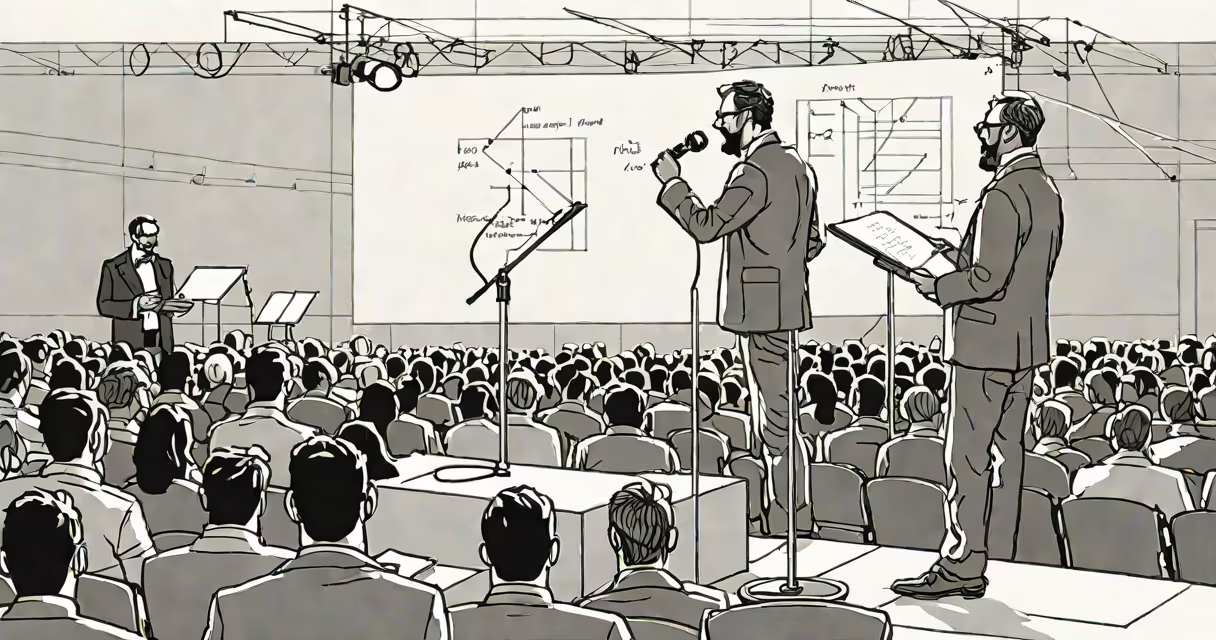
The poet laureate is an official title bestowed upon a recognized poet by a government or institution, typically to honor literary excellence and promote poetry within the nation. In the United States and the United Kingdom, the role carries ceremonial duties and often includes public engagement through readings, events, and commissioned works.
Appointed by the head of state or a national authority, the poet laureate serves a fixed term-usually one to three years in the U.S., and traditionally for life in the UK. The position is not a paid full-time job but comes with symbolic weight and access to cultural platforms. The title reflects both artistic achievement and national recognition.
Since 1937, the U.S. poet laureate has been appointed by the Librarian of Congress. The UK's poet laureate is selected by the monarch on the advice of the prime minister. Both roles aim to improve poetry's presence in public life, though their actual responsibilities differ.
In the United States, the poet laureate is chosen annually by the Librarian of Congress from a pool of nominees. The appointment lasts one year but may be extended. The current holder, Ada Limón, served from 2022 to 2025 and focused on expanding poetry's reach through community programs and national tours. She hosted public readings, launched youth workshops, and published a series of poems tied to American themes such as identity, migration, and environmental change.
The UK poet laureate, appointed since 1668, has historically composed odes for royal occasions-weddings, coronations, funerals. The tradition began under Charles II, who named John Dryden the first official poet laureate. Today, the role remains largely ceremonial, though recent holders like Carol Ann Duffy (2009-2019) used the platform to advocate for social issues, including gender equality and mental health.
Both nations emphasize accessibility. The U.S. program includes outreach to schools and underserved communities. The UK's office provides free resources for educators and sponsors poetry festivals nationwide. These efforts reflect a shared goal: making poetry part of everyday civic life.
The structure and expectations of the poet laureate role vary widely between nations. The most prominent examples are the United States and the United Kingdom, but several other countries-including Canada, Australia, and Sweden-have similar honors, though they lack formal national titles.
| Country | Term Length | Appointment Authority | Primary Responsibilities |
|---|---|---|---|
| United States | One year (renewable) | Librarian of Congress | Public readings, school outreach, commissioned work |
| United Kingdom | Lifetime (but not mandatory) | Monarch, on advice of PM | Occasional odes for national events, public appearances |
| Canada | Two years | Government, via Arts Council | Advocacy, education, public events |
| Australia | Three years | Prime Minister's Office | Community engagement, national poetry projects |
Despite similarities in intent, the UK model retains more historical formality. The U.S. version emphasizes modern outreach and inclusivity. For example, former U.S. poet laureate Natasha Trethewey (2012-2014) focused on African American history and memory, commissioning poems about the Civil Rights Movement and the legacy of slavery. Her work appeared in school curricula and was read aloud at federal memorials.
A lesser-known fact: the U.S. poet laureate does not have to be a citizen. The Librarian of Congress may appoint any poet whose work demonstrates national significance. This was demonstrated in 2018 when Ada Limón, born in California to a Mexican immigrant mother and a Black American father, became the first Latina and the first openly queer poet laureate. Her appointment marked a shift toward greater diversity in national cultural roles.
Many assume the poet laureate writes only formal verses for royalty or state events. This is untrue. While the UK poet laureate still composes occasional odes for major ceremonies-such as the Queen's funeral in 2022-the U.S. role focuses on broad public engagement. The poet laureate in America is expected to travel, speak at schools, and create new work that reflects contemporary life.
Another myth: the poet laureate earns a high salary. In reality, the U.S. position comes with a modest stipend-$35,000 per year-plus travel funds. The UK role is unpaid, though recipients receive a small honorarium and housing allowance. The compensation reflects the role's symbolic nature, not a professional career path.
Some confuse the poet laureate with the National Poet or the Poet of the People. These are not official titles. The term "national poet" is sometimes used informally, especially in countries without formal appointments. The poet laureate is the only officially recognized title in the U.S. and UK systems.
Ada Limón's time as U.S. poet laureate included a project called "The Carrying," which invited people across the country to submit personal stories related to identity, displacement, and belonging. Over 12,000 submissions were received. Limón selected 200 to feature in a traveling exhibition and adapted them into a series of poems read at libraries, schools, and public parks.
One submission came from a teenager in rural Nebraska who wrote about feeling invisible in a town where everyone knew each other's business. Limón transformed the story into a poem titled "The Girl Who Was Not Seen." It was performed at the Library of Congress and later published in The New York Times's "Poetry in the Public Square" series.
This example shows how the poet laureate uses art to amplify voices often excluded from mainstream discourse. The role is not about elite verse-it's about connection.
During my time volunteering at a literacy nonprofit in Chicago, I attended a reading by a visiting poet laureate. The room was packed with students from low-income neighborhoods. When the poet recited a piece about growing up in a single-parent home, a girl in the front row wiped her eyes. That moment confirmed what research from the National Endowment for the Arts supports: poetry in public spaces reduces isolation and builds empathy.
The poet laureate is not just a ceremonial figurehead. It is a living institution that shapes how a nation sees itself through language. The role helps poetry remains part of civic conversation-not as a relic, but as a tool for reflection, resistance, and healing.
When the U.S. poet laureate speaks at a high school in Detroit or commissions a poem about climate change in Alaska, they are doing more than honoring art. They are reinforcing the idea that literature belongs to everyone.
Understanding what is a poet laureate reveals a deeper truth: culture is not separate from governance. It is woven into it. The poet laureate stands at the intersection of word and power, reminding us that meaning matters as much as policy.