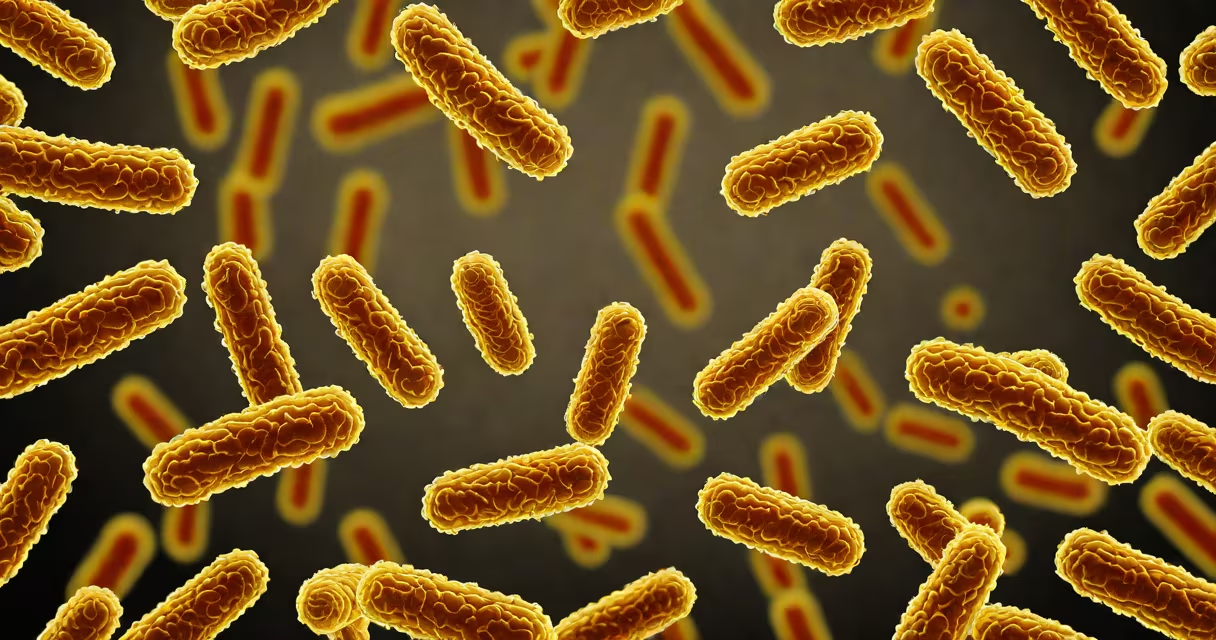
E. coli O157:H7 is a strain of the bacterium Escherichia coli that produces Shiga toxin and causes severe gastrointestinal illness, often linked to undercooked ground beef, raw produce, and contaminated water. It is one of the most dangerous forms of E. coli due to its ability to cause life-threatening complications like hemolytic uremic syndrome (HUS).
This strain was first identified in 1982 during a nationwide outbreak tied to contaminated hamburgers. Since then, it has been responsible for numerous foodborne disease outbreaks in the United States and globally. The "O157" refers to the specific antigen in the bacterial cell wall, while "H7" denotes the flagellar protein type.
Unlike many other E. coli strains that live harmlessly in the human gut, O157:H7 thrives in the intestines of cattle and is shed in their feces. Humans contract it through ingestion of even small amounts of contaminated material-often via undercooked meat, unpasteurized milk, or unwashed vegetables.
When ingested, E. coli O157:H7 travels to the large intestine, where it adheres to the intestinal lining using specialized structures called fimbriae. Once attached, it produces Shiga toxin (Stx), which damages endothelial cells in blood vessels throughout the body.
The toxin disrupts normal cellular function by inhibiting protein synthesis. This leads to inflammation, hemorrhagic colitis (bloody diarrhea), and in severe cases, kidney failure. The damage to small blood vessels in the kidneys triggers HUS-a condition that affects about 5-10% of infected children and can result in acute renal failure.
A 2017 study published in Emerging Infectious Diseases found that the median infectious dose for O157:H7 is as low as 100 colony-forming units (CFUs), meaning a tiny amount can cause illness. This contrasts sharply with other pathogens like Salmonella, which typically require thousands of CFUs to cause infection.
E. coli O157:H7 belongs to a group known as Shiga toxin-producing E. coli (STEC). While O157:H7 is the most well-known, other serotypes such as O26, O103, O111, and O145 also cause similar illnesses. These strains are collectively referred to as EHEC (enterohemorrhagic E. coli).
| Type | Common Source | Typical Symptoms | Complication Risk |
|---|---|---|---|
| O157:H7 | Ground beef, leafy greens, raw milk | Bloody diarrhea, severe cramps, vomiting | High (up to 10% in children) |
| O26 | td>Beef, produce, petting zoosSimilar to O157:H7, but less detectable in standard tests | Medium (underestimated due to testing gaps) | |
| O103 | Beef, poultry | Bloody diarrhea, fever | Low to moderate |
Contamination occurs when cattle feces enter the food chain. During slaughter, muscle tissue from the hide or intestines can be transferred to ground beef. A single contaminated patty can spread the bacteria widely during processing.
Produce contamination happens through irrigation with contaminated water, improper handling, or contact with animal manure. In 2006, a major outbreak traced to bagged spinach sickened 205 people across 26 states, resulting in 102 hospitalizations and 3 deaths.
According to the CDC, E. coli O157:H7 causes approximately 73,000 infections and 60 deaths annually in the U.S. The majority of cases occur between May and October, coinciding with peak grilling season and increased consumption of undercooked meat.
Outbreaks are difficult to trace because symptoms take 3-4 days to appear after exposure, and patients may not seek medical care until symptoms worsen., standard stool cultures do not detect O157:H7 unless specifically tested for using selective media like sorbitol-MacConkey agar.
One key mistake is treating O157:H7 infections with antibiotics. A 2015 study in Clinical Infectious Diseases showed that antibiotic use increases the risk of developing HUS by promoting Shiga toxin release. Treatment focuses on hydration and supportive care, not antimicrobials.
Many people assume all E. coli are harmful. That's false. Most strains are harmless and part of the healthy gut microbiome. Only certain pathogenic strains like O157:H7 and others in the STEC group pose serious health risks.
Another misconception is that cooking meat thoroughly eliminates all risk. While proper cooking (internal temperature ≥160°F/71°C) kills surface bacteria, ground beef can harbor O157:H7 throughout the patty. A rare steak may be safe, but ground beef requires full cooking to eliminate internal contamination.
I once observed a restaurant kitchen where a worker used the same cutting board for raw hamburger and lettuce without cleaning it. The cross-contamination led to a local outbreak involving six people. The incident highlighted how easily O157:H7 spreads in environments lacking strict hygiene protocols.
Finally, O157:H7 is not airborne. It spreads through fecal-oral transmission-either directly via poor hand hygiene or indirectly through contaminated food or water. It cannot be contracted from casual contact with an infected person.
Preventive measures include thorough cooking of ground meats, washing hands after handling raw meat or animals, avoiding unpasteurized dairy products, and rinsing fruits and vegetables under running water.
Seek medical attention if you experience bloody diarrhea, persistent abdominal pain, or signs of dehydration (dizziness, reduced urination). Children under five and older adults are at highest risk for HUS.
Testing for E. coli O157:H7 requires a specific stool test. Standard lab panels may miss it unless requested explicitly. If you suspect exposure-especially after eating at a restaurant or attending a farm event-report it to your local health department.
Recognizing what is E coli O157:H7-and how it differs from other strains-is essential for preventing severe illness. Its ability to cause HUS, combined with low infectious dose and resistance to common treatments, makes it a significant public health concern.