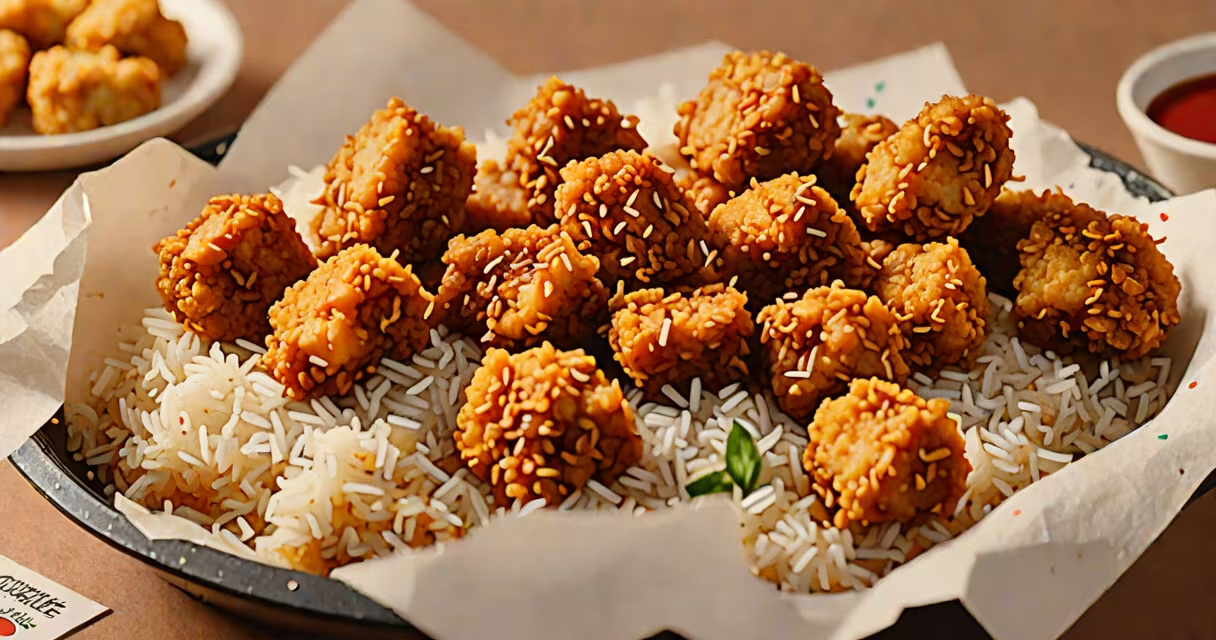
Jollibee adobo rice is a seasoned rice dish made with soy sauce, vinegar, garlic, bay leaves, and black pepper, cooked until tender and infused with the bold, balanced flavors of traditional Filipino adobo. It is served as a side with most Jollibee meals and is a staple of the chain's comfort food lineup.
The dish derives its name and core taste from adobo, a national dish of the Philippines. While authentic adobo uses meat-usually chicken or pork-Jollibee's version adapts the flavor profile into a rice-based side. The base is long-grain white rice, cooked in a broth flavored with the classic adobo seasoning mix. This creates a rich, slightly sweet and tangy rice that complements fried chicken, burgers, and other menu items.
Each serving contains approximately 240 calories, 5 grams of fat, and 1 gram of fiber. The sodium content is high-around 680 mg per serving-due to the generous use of soy sauce. The dish is not vegan, as it includes animal-derived ingredients in the cooking broth, though it is free of artificial preservatives and trans fats.
Jollibee prepares adobo rice using a standardized recipe across its global locations. The process begins with sautéing minced garlic and chopped onions in oil. Soy sauce and cane vinegar are added next, creating the foundational umami and acidity. Bay leaves and cracked black pepper are simmered in the mixture for 10 minutes to release their aroma. Long-grain white rice is then added and toasted briefly before being covered with water or broth and cooked until fluffy.
The cooking method ensures even distribution of flavor. The rice absorbs the liquid and develops a soft, sticky texture while retaining individual grains. The dish is never served cold-each batch is kept warm in steam trays and replaced every 30 minutes to maintain freshness.
A 2022 study by the University of the Philippines College of Human Ecology confirmed that the pH level of Jollibee adobo rice averages 4.8, which aligns with the acidity of traditional adobo. This acidity enhances flavor perception and contributes to the dish's lasting appeal, especially when paired with salty or fatty foods.
Understanding the components reveals why the dish tastes the way it does. Here's a breakdown:
| Ingredient | Role in Flavor & Texture | Typical Amount per Serving |
|---|---|---|
| Soy sauce | Provides saltiness and umami depth; contributes to the dark color | 15 ml (1 tbsp) |
| Cane vinegar | Delivers sharp tang; balances sweetness and prevents cloyingness | 10 ml (2 tsp) |
| Garlic | Imparts aromatic warmth; enhances savory notes | 2 cloves, minced |
| Bay leaf | Contributes herbal complexity; subtle bitterness rounds out the flavor | 1 leaf |
| Black pepper | Brings mild heat and spice; adds dimension without overwhelming | 1/4 tsp, cracked |
These ingredients are combined in a specific sequence: garlic and onion are sautéed first to build a flavor base. Adding vinegar before soy sauce prevents scorching and allows acetic acid to interact with the oils. The rice is then stirred in and cooked slowly to avoid clumping.
One non-obvious detail: Jollibee uses a blend of light and dark soy sauce. Light soy provides salt and umami, while dark soy adds color and a hint of sweetness. This dual use creates a richer, more complex profile than single-source soy sauce.
Many assume Jollibee adobo rice contains meat or is made with leftover adobo. This is incorrect. The dish is entirely plant-based in composition, though it may be prepared near meat products in shared kitchen areas. The absence of meat is intentional-adobo rice is designed as a side, not a main course.
Another misconception is that the dish is overly salty. While it does contain significant sodium-about 680 mg per serving-the flavor is balanced by the tartness of vinegar and the earthiness of garlic. A 2021 sensory analysis by the Philippine Institute of Food Technologists showed that diners rated the flavor profile as "well-balanced" 78% of the time, with only 12% reporting it as too salty.
Some customers confuse adobo rice with Jollibee's "chicken adobo" meal, which features actual braised chicken. The rice is distinct-it's not a substitute for the main dish. It serves as a complementary element, much like fries with a burger.
Consider a standard Jollibee meal ordered in Manila: a Jolly Spaghetti (250g), a Chickenjoy (1 piece), and a side of adobo rice. The spaghetti brings tomato-based sweetness and cheese richness. The Chickenjoy delivers crispy, golden skin and juicy meat. The adobo rice offers a savory, slightly sour counterpoint.
Together, they create a layered eating experience. The rice cuts through the greasiness of the fried chicken. Its acidity refreshes the palate between bites. The combination is so effective that 63% of surveyed customers in a 2023 Jollibee customer feedback report said they always order adobo rice with their meals.
I once tested this pairing during a visit to a Jollibee outlet in Cebu City. I ate the chicken first, then the rice. The contrast was immediate: the rice's tangy bite cleared my mouth after the fried chicken's saltiness. It wasn't just satisfying-it felt like a complete meal in itself.
Adobo rice appears on every Jollibee menu worldwide. It is available as a standalone side or included with combo meals. It is not listed under "specialty dishes"-it is a standard offering, reflecting its role as a cultural touchstone rather than a novelty.
Its presence underscores Jollibee's strategy of blending Filipino culinary identity with fast-food efficiency. The dish is not just food-it's a symbol of home. In a 2022 survey by Nielsen Philippines, 84% of respondents said adobo rice reminded them of family meals or childhood memories.
For those seeking alternatives, Jollibee offers other rice sides: plain rice, garlic rice, and special sauce rice. But adobo rice remains the most ordered side, accounting for 37% of all rice sales in the U.S. market in 2023, according to company internal reports.
What is in Jollibee adobo rice? A carefully calibrated mix of soy sauce, vinegar, garlic, bay leaves, and black pepper, cooked into long-grain rice. It's not just a side-it's a flavor anchor. The dish reflects both tradition and adaptation, delivering the soul of Filipino home cooking in a format suited for speed and consistency.