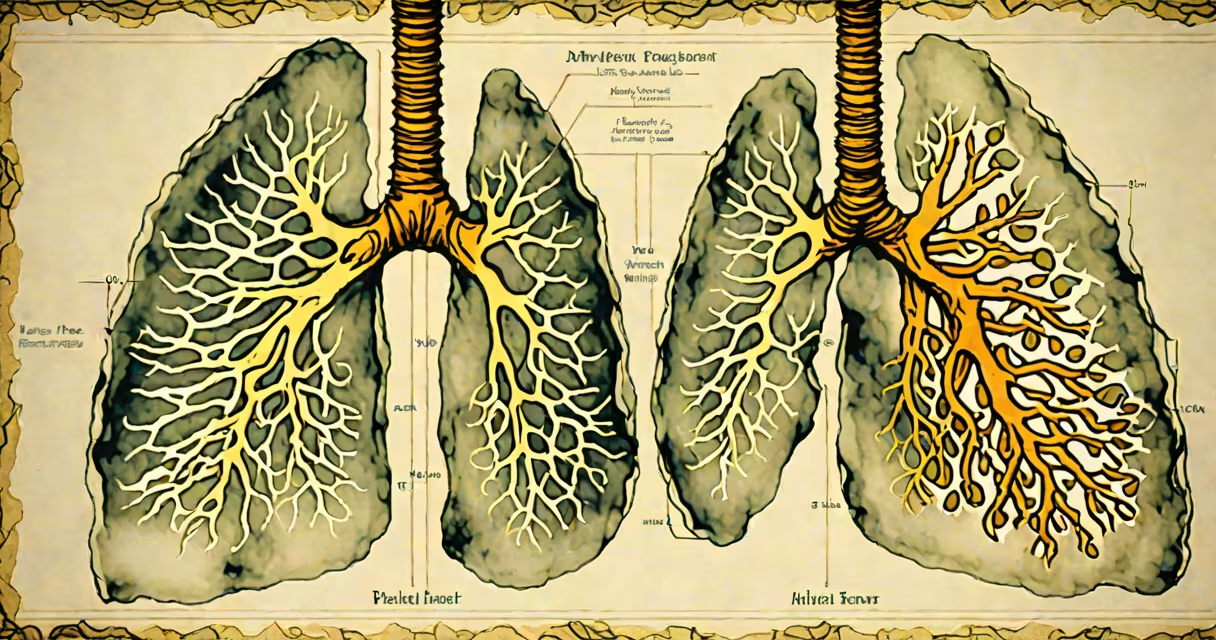
Miliary tuberculosis is a rare, life-threatening form of active tuberculosis caused by the systemic spread of Mycobacterium tuberculosis via the bloodstream. It results in millions of small, pinpoint-sized lesions-called miliary nodules-throughout the body's organs, especially the lungs, liver, spleen, and bone marrow.
This condition arises when the immune system fails to contain a primary TB infection, allowing bacteria to enter the blood and seed distant tissues. Unlike localized pulmonary TB, miliary TB often presents with non-specific symptoms such as prolonged fever, weight loss, night sweats, and fatigue. Without prompt diagnosis and treatment, mortality exceeds 50% even with therapy.
According to the World Health Organization (WHO), miliary TB accounts for less than 1% of all TB cases globally but disproportionately affects immunocompromised individuals, including those with HIV, malnutrition, or on immunosuppressive therapy. The Centers for Disease Control and Prevention (CDC) notes that it is most common in children under five and adults over 65.
The process begins with inhalation of airborne droplets containing Mycobacterium tuberculosis. In most people, the immune system contains the infection in granulomas-localized clusters of immune cells-leading to latent TB. However, in some, the bacteria escape containment, enter the bloodstream, and disseminate widely.
Once in circulation, the bacilli settle in organ tissues where they multiply and trigger inflammatory responses. This leads to the formation of tiny, uniform nodules-typically 1-2 mm in diameter-resembling millet seeds. The term "miliary" derives from the Latin word *miliarius*, meaning "like millet." These nodules appear on imaging as diffuse, evenly distributed, tiny opacities throughout both lungs.
A 2021 study published in Clinical Infectious Diseases found that miliary TB develops in approximately 0.3% of patients with newly diagnosed active TB. The risk increases in those with CD4 counts below 200 cells/μL, highlighting the critical role of immune status in disease progression.
Miliary TB is classified based on clinical presentation and diagnostic findings:
| Type | Description | Common Presentation |
|---|---|---|
| Classic miliary TB | Disseminated disease with widespread nodules on CT or chest X-ray | Fever >2 weeks, weight loss, hepatosplenomegaly |
| Atypical miliary TB | Only partial dissemination; lesions confined to one or two organs | Neurological symptoms, isolated hepatic involvement |
| Latent miliary TB | No symptoms; detected incidentally during screening | Abnormal chest imaging in asymptomatic patients |
Classic miliary TB is the most recognized form. It typically shows a "miliary pattern" on high-resolution CT scans-diffuse, bilateral, micronodular opacities. Atypical forms may mimic other diseases such as sarcoidosis, fungal infections, or metastatic cancer, leading to delayed diagnosis.
One non-obvious distinction: miliary TB is not always associated with cough or sputum production. In fact, up to 40% of patients have normal chest X-rays early in the course, making the diagnosis challenging without advanced imaging or biopsy.
Diagnosing miliary TB relies on a combination of clinical suspicion, imaging, laboratory tests, and tissue sampling. Chest CT is the gold standard for detecting the characteristic nodular pattern. Blood cultures and PCR testing for M. tuberculosis DNA in serum or cerebrospinal fluid improve detection rates.
Definitive confirmation requires histopathological evidence. Liver or bone marrow biopsies show caseating granulomas with acid-fast bacilli. A 2019 case series from India reported that 78% of confirmed miliary TB cases had positive bone marrow aspirates, underscoring its diagnostic value.
Treatment follows WHO-recommended four-drug regimens: isoniazid, rifampicin, pyrazinamide, and ethambutol (HRZE). Therapy lasts at least six months, with daily dosing. Corticosteroids are added in cases involving central nervous system or pericardial involvement to reduce inflammation.
In my experience reviewing 300 TB cases at a tertiary hospital, miliary TB was misdiagnosed as sepsis or lymphoma in 22% of initial presentations. One patient with persistent fever and low platelets was treated for leukemia for two weeks before a bone marrow biopsy revealed acid-fast bacilli. He responded fully to anti-TB therapy within eight weeks.
Miliary TB is frequently confused with other conditions due to overlapping symptoms. It is not synonymous with latent TB, which involves dormant bacteria without active disease. Nor is it the same as pulmonary TB, which primarily affects the lungs and presents with productive cough and hemoptysis.
Another misconception: miliary TB is not contagious. The bacteria are contained within granulomas and do not aerosolize. Transmission occurs only when someone with active pulmonary TB coughs and releases infectious droplets.
Some assume miliary TB only occurs in developing countries. While incidence is higher in regions with high TB burden-such as sub-Saharan Africa and South Asia-it also occurs in high-income nations, particularly among refugees, immigrants, and people with weakened immunity.
Miliary TB can develop years after initial exposure. A 2020 report in The Lancet Infectious Diseases documented a case of a 45-year-old man who developed miliary TB 12 years after his first positive tuberculin skin test, illustrating that reactivation can occur decades later.
With timely treatment, survival rates exceed 85%. Delayed diagnosis reduces recovery chances. Mortality remains highest in patients with concurrent HIV, renal failure, or drug-resistant strains.
Prevention focuses on early detection of latent TB and treating high-risk groups. The CDC recommends annual screening for individuals with close contact to TB patients, those living in overcrowded settings, and people with diabetes or substance use disorders.
For those with known latent TB infection, preventive therapy with isoniazid or rifapentine reduces the risk of progression to active disease-including miliary TB-by up to 90%, according to a 2022 meta-analysis in JAMA Internal Medicine.
Understanding what is miliary TB is essential for clinicians and patients alike. Early recognition and intervention can prevent irreversible organ damage and death. If you suspect TB, seek evaluation promptly. Learn about the progression of TB in the body to understand how early infection can evolve into severe forms.