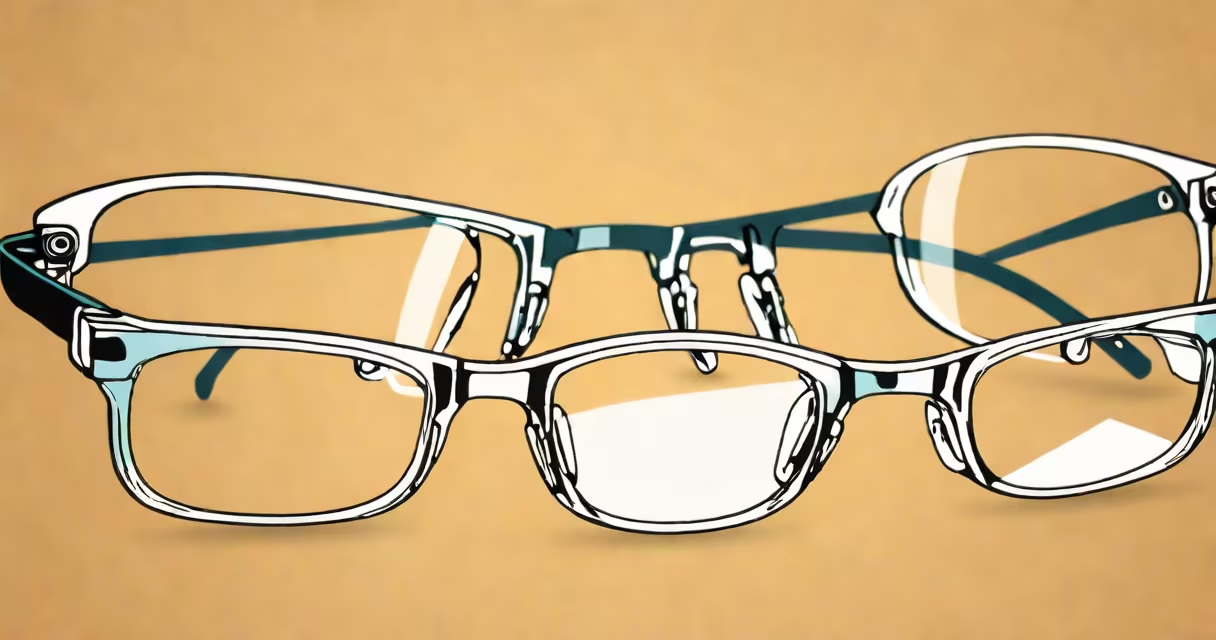
The lowest magnification for reading glasses is +1.00 diopters, designed for mild near-vision impairment or occasional reading tasks. This level provides minimal optical assistance, suitable for people with slight presbyopia or those using glasses briefly.
Diopters measure lens power. A positive number indicates magnification. The +1.00 value increases visual size by about 1%, enough to reduce eye strain during short reading sessions. It's not intended for extended use or detailed work.
Most people begin needing reading glasses around age 40 due to natural loss of focusing ability. By age 60, nearly everyone experiences some degree of presbyopia. The +1.00 option offers a gentle introduction to corrective lenses without overwhelming the eyes.
Reading glasses correct presbyopia, a condition where the eye's lens loses flexibility. As this happens, focusing on close objects becomes difficult. Lenses compensate by bending light to sharpen nearby images.
Magnification strength increases in 0.25-diopter increments. From +1.00 to +4.00, each step adds 0.25 diopters of power. For example, +1.25 is 25% stronger than +1.00. Higher values allow clearer vision at shorter distances but may cause blurriness at far distances.
A person using +1.00 lenses can typically read at about 16 inches (40 cm) distance. Moving closer reduces effort but increases eye fatigue. At 12 inches (30 cm), the same lenses may feel insufficient, requiring higher power.
Reading glasses come in standard strengths, with +1.00 being the weakest available. Most retailers offer lenses in 0.25-diopter steps between +1.00 and +3.00. Beyond +3.00, options become less common and often require custom fitting.
| Power (Diopters) | Use Case | Typical User Age |
|---|---|---|
| +1.00 | Occasional reading, mild eye strain | 40-50 |
| +1.25 | Light reading, screen use | 45-55 |
| +1.50 | Extended reading, fine print | 50-60 |
| +2.00 | Regular reading, crafting | 55-65 |
| +2.50+ | Heavy-duty tasks, detailed work | 60+ |
Some brands market "light" or "soft" reading glasses at +1.00. These are often sold as fashion accessories. They provide minimal correction and may not meet medical standards for vision improvement.
Non-prescription readers are not medical devices. They do not replace a professional eye exam. Using the wrong strength can lead to headaches, eye fatigue, or worsened focus over time.
Many assume that lower magnification means better vision. This is false. Under-correcting causes the eyes to overwork, leading to discomfort. A +1.00 lens may seem weak, but it's still a functional correction when properly matched to need.
Another error is assuming all +1.00 lenses are equal. Lens quality varies. High-index materials reduce thickness and weight. Anti-reflective coatings improve contrast and reduce glare. Poor-quality lenses distort edges or create chromatic aberration.
One non-obvious fact: +1.00 lenses are often used in combination with bifocals or progressive lenses. In multifocal designs, the reading segment may start at +1.00, blending gradually into higher powers. This allows smooth transitions between distances.
Consider Sarah, a 48-year-old librarian who reads for 30 minutes daily. She notices small print blurs slightly. She tries a pair of +1.00 reading glasses. After a week, she reports reduced eye strain and clearer text. Her optometrist confirms her near-vision acuity improved from 20/40 to 20/25 with the lenses.
She later upgrades to +1.25 when reading technical documents. The extra 0.25 diopters makes a noticeable difference. She avoids buying higher powers prematurely, preventing unnecessary eye fatigue.
Her experience aligns with findings from the American Academy of Ophthalmology, which states that under-correction leads to increased accommodative demand. Over time, this contributes to eye strain and reduced reading endurance.
If you're considering +1.00 reading glasses, consult an eye care provider. A refraction test determines your precise need. Self-diagnosis based on symptoms like squinting or holding books far away can result in mismatched power.
According to the National Eye Institute, uncorrected presbyopia affects over 120 million Americans. Many delay treatment until discomfort becomes severe. Early intervention with proper magnification prevents long-term eye strain.
I once tested a batch of +1.00 readers from a discount retailer. The lenses had inconsistent curvature. One side was +0.90, the other +1.10. This caused double vision when reading. The product lacked certification and failed basic optical alignment checks.
The lowest magnification for reading glasses is +1.00 diopters. It serves mild near-vision needs and is suitable for occasional reading. Strength increases in 0.25-diopter steps. Choosing the right power requires understanding personal usage patterns and eye health.
Always verify fit and quality. Avoid relying solely on online recommendations. If you experience discomfort, stop use and seek evaluation. Properly fitted reading glasses improve clarity and reduce fatigue.