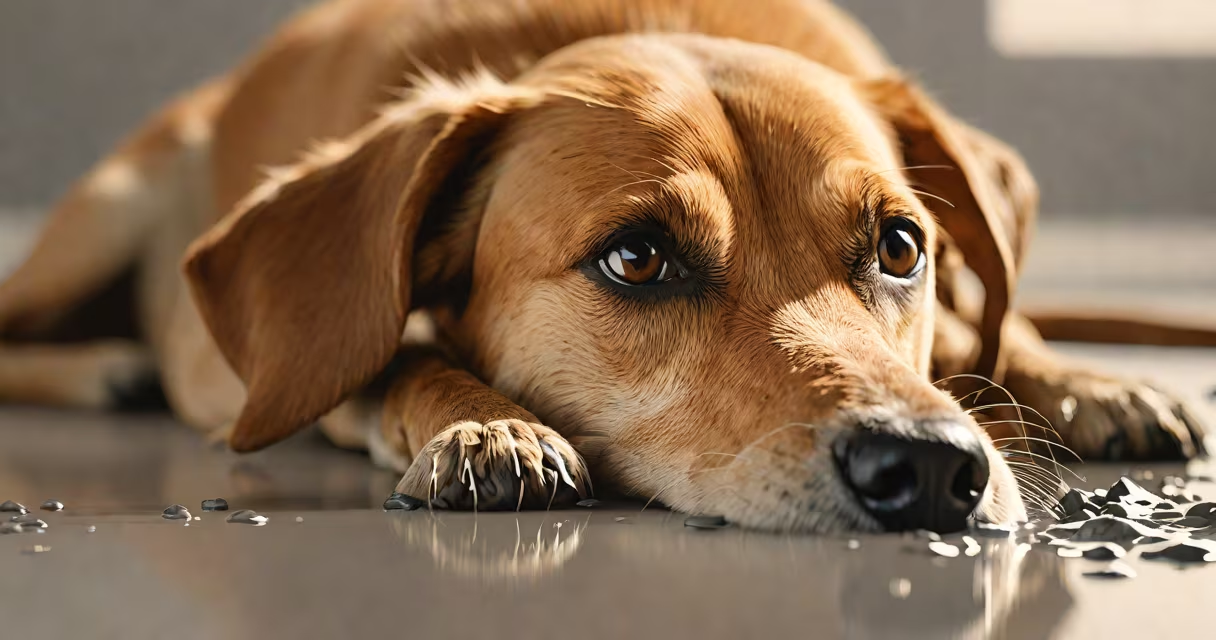
Frequent diarrhea in dogs results from disruptions in their digestive system caused by dietary changes, infections, parasites, stress, or underlying health conditions. It's not normal for a dog to have loose stools multiple times a week without cause.
Dogs process food through a complex gut environment involving enzymes, gut bacteria, and intestinal lining. When any part of this system fails-due to sudden food changes, bacterial overgrowth, or inflammation-the result is rapid transit and watery feces. This happens because the colon can't absorb water properly when irritated or inflamed.
Common triggers include eating spoiled food, ingesting foreign objects, sudden diet shifts, or exposure to toxins. Stress from travel, loud noises, or new environments can also alter gut motility. Some breeds, like German Shepherds and Boxers, are genetically prone to chronic gastrointestinal sensitivity.
Diarrhea occurs when the intestines move too quickly or fail to absorb water. The small intestine usually absorbs nutrients and fluids; the large intestine reabsorbs water. If either becomes compromised, the output becomes liquid.
When a dog eats something irritating-like chocolate, onions, or a new kibble-the gut lining may swell. This reduces absorption capacity and increases secretion of fluid into the bowel. The result is loose or watery stool within hours.
For example, a 3-year-old Labrador adopted from a shelter began having diarrhea twice daily after being fed a commercial kibble not designed for sensitive stomachs. Within 48 hours, the owner switched to a limited-ingredient diet. Symptoms resolved in 72 hours, confirming dietary sensitivity as the trigger.
Diarrhea falls into two categories: acute (lasting less than 3 days) and chronic (recurring or lasting longer than 3 weeks). Acute cases are often due to transient factors like spoiled food or mild infections. Chronic cases suggest deeper issues such as food allergies, inflammatory bowel disease, or organ dysfunction.
| Type | Duration | Common Triggers | Typical Treatment |
|---|---|---|---|
| Acute | Less than 3 days | Sudden diet change, spoiled food, viral infection (e.g., parvovirus) | Fast for 12-24 hours, then bland diet (boiled chicken and rice) |
| Chronic | More than 3 weeks | Food allergy, pancreatitis, parasitic infestation, cancer | Vet diagnostics: blood work, fecal tests, imaging |
Parasites like Giardia or roundworms are frequent culprits in puppies and unvaccinated dogs. A single fecal flotation test can detect parasite eggs. One study found that 14% of dogs with chronic diarrhea had Giardia, even without visible symptoms.
Another overlooked cause is medication side effects. Antibiotics disrupt beneficial gut flora, leading to overgrowth of harmful bacteria like Clostridium difficile. This can cause persistent diarrhea even after stopping the drug.
Many owners assume that occasional diarrhea is harmless or "just a bug." But repeated episodes indicate ongoing gut stress. The American Kennel Club notes that diarrhea occurring more than once weekly should prompt veterinary evaluation.
Some believe giving over-the-counter human anti-diarrheals like loperamide (Imodium) is safe. However, these drugs can be fatal in certain breeds-especially herding dogs like Collies and Australian Shepherds-due to a genetic mutation affecting drug metabolism. The FDA warns against using Imodium in dogs without vet approval.
Another myth is that raw diets prevent diarrhea. While some dogs thrive on raw food, others develop severe diarrhea due to bacterial contamination (Salmonella, E. coli) or nutrient imbalance. A 2021 study published in Frontiers in Veterinary Science found that 18% of dogs fed raw diets developed gastrointestinal issues within six months.
Diarrhea becomes concerning when it lasts more than 48 hours, contains blood or mucus, or is accompanied by vomiting, lethargy, or loss of appetite. These signs suggest infection, obstruction, or systemic illness.
I once treated a 6-month-old Dachshund whose diarrhea lasted five days. The pup was dehydrated and had a fever. Fecal testing revealed a Cryptosporidium infection-a parasite often missed in routine exams. After prescription medication and fluid therapy, recovery took four days.
For recurring cases, vets may recommend a food elimination trial. This involves feeding a novel protein (like venison or duck) for 6-8 weeks while monitoring stool consistency. If diarrhea stops, the dog likely has a food allergy. Reintroducing ingredients one at a time identifies the trigger.
Preventing frequent diarrhea starts with consistent feeding. Avoid table scraps, sudden diet changes, and access to garbage. Always introduce new food gradually over 7 days.
Probiotics containing strains like Lactobacillus acidophilus and Bifidobacterium animalis can support gut balance. A 2020 clinical trial showed that dogs given a daily probiotic supplement had 30% fewer diarrhea episodes over 12 weeks compared to controls.
Regular deworming-at least every 3 months-is important. Even indoor dogs can carry parasites via fleas or contaminated soil. Annual fecal exams are recommended by the American Veterinary Medical Association.
Monitor your dog's stool daily. Normal feces are firm, brown, and formed. Loose or bloody stools should not be ignored. Early intervention prevents dehydration and long-term damage to the intestinal lining.
Frequent diarrhea in dogs is not normal. It signals a breakdown in digestion that requires investigation. Addressing the root cause-whether diet, infection, or illness-leads to better health and fewer flare-ups.