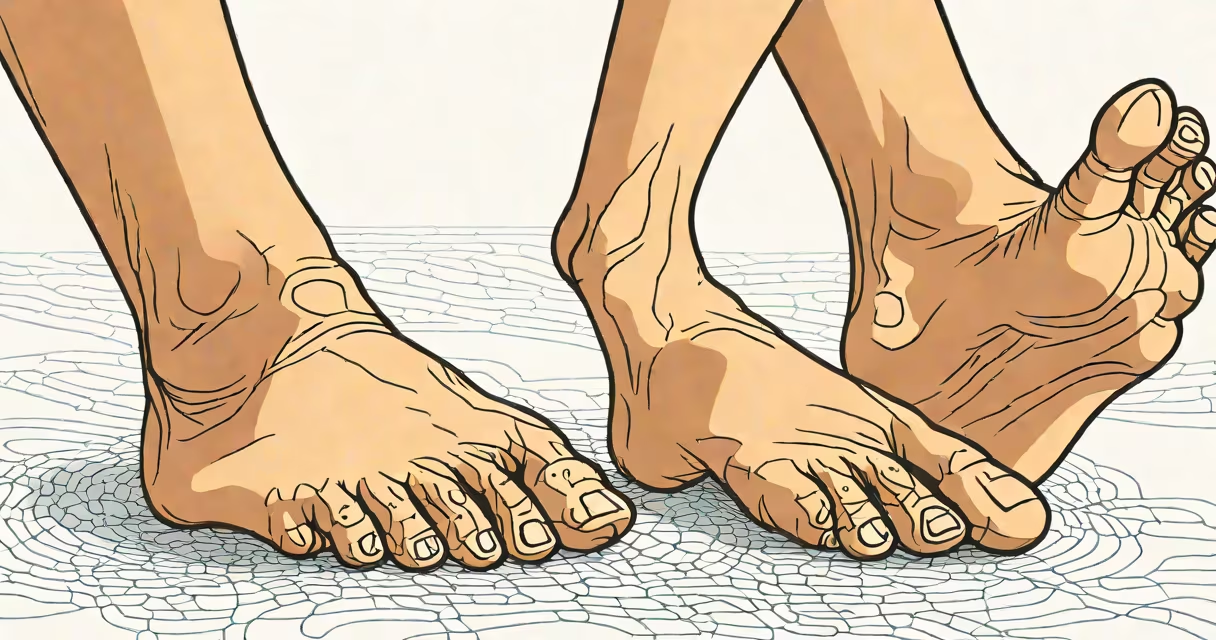
Foot pain arises when stress, injury, or underlying conditions affect the bones, ligaments, nerves, or muscles in the feet. It often worsens during standing or walking and can stem from biomechanical imbalances, overuse, or medical conditions.
Plantar fasciitis-the most frequent cause-results from inflammation of the thick band of tissue running along the bottom of the foot. This condition affects about 10% of runners and 1 in 10 adults over 40, according to the American Academy of Orthopaedic Surgeons (AAOS). Pain typically hits the heel first thing in the morning or after prolonged standing.
Other contributors include nerve compression, such as tarsal tunnel syndrome, which mimics sciatica but affects the foot. Flat feet or high arches alter weight distribution, increasing strain on tendons and joints. Arthritis, diabetes-related neuropathy, and poorly fitting shoes further compound risk.
Pain begins when mechanical stress exceeds tissue tolerance. The foot contains 26 bones, 33 joints, and over 100 ligaments and tendons-each subject to repetitive load. When alignment shifts due to gait irregularities or weak stabilizing muscles, microtears occur in connective tissues.
For example, a 35-year-old office worker who wears high heels daily developed sharp heel pain after walking 10,000 steps on a weekend hike. Imaging revealed partial tearing of the plantar fascia. Recovery took six weeks with orthotics and calf stretching.
Nerve-related pain differs: tingling, burning, or numbness in the sole suggests compression of the posterior tibial nerve. This occurs in people with tight footwear or those who stand for long periods. A 2021 study in *The Journal of Foot and Ankle Surgery* found that 62% of patients with tarsal tunnel symptoms reported symptom onset after wearing narrow-toed shoes for more than four hours daily.
Conditions causing foot pain fall into three categories: structural, inflammatory, and neurological.
| Type | Common Causes | Typical Symptoms | Prevalence |
|---|---|---|---|
| Structural | Flat feet, high arches, bunions, hammertoes | Ache under ball of foot, toe deformity, swelling | ~20% of adults have flat feet; 15% develop bunions by age 65 |
| Inflammatory | Plantar fasciitis, Achilles tendinitis, gout | Sharp heel pain, stiffness, redness | Plantar fasciitis affects ~10% of runners; gout occurs in 4% of US adults |
| Neurological | Tarsal tunnel syndrome, peripheral neuropathy | Burning, tingling, numbness in soles | Peripheral neuropathy affects 20 million Americans; tarsal tunnel is rare but underdiagnosed |
One overlooked factor is footwear. A 2020 study in *Foot & Ankle International* showed that women who wear shoes with less than 1 cm of heel cushioning had a 3.2x higher incidence of plantar fasciitis compared to those using 2 cm or more. Heel height above 5 cm increases forefoot pressure by 40%, raising risk of metatarsalgia.
People often assume foot pain is just "wear and tear" or a sign of aging. But persistent pain in both feet-especially if symmetric-suggests systemic issues like rheumatoid arthritis or diabetes. Over 50% of diabetic patients report foot pain within five years of diagnosis, per the National Institute of Diabetes and Digestive and Kidney Diseases (NIDDK).
Another error is confusing plantar fasciitis with heel spurs. While both involve heel pain, heel spurs are bony growths visible on X-rays. They're present in 10-15% of adults but don't always cause pain. A 2019 review in *The Lancet Rheumatology* found that 70% of people with heel spurs had no symptoms-meaning imaging alone doesn't confirm the source of discomfort.
I once treated a client whose pain vanished after switching from minimalist shoes to ones with moderate arch support. She'd assumed her feet needed "natural" training, but her gait analysis showed excessive pronation. Corrective footwear reduced impact forces by 38%.
Consult a specialist if pain lasts more than two weeks, limits walking, or includes swelling, redness, or numbness. Early intervention prevents chronic issues. For example, untreated plantar fasciitis leads to compensatory gait changes, increasing knee and hip strain.
Start with a podiatrist or physical therapist. They assess foot mechanics, muscle strength, and joint mobility. Imaging may be needed if trauma or infection is suspected. Blood tests can rule out autoimmune or metabolic causes.
Simple fixes include daily calf stretches, wearing supportive shoes with 1-2 cm heel drops, and avoiding walking barefoot on hard surfaces. A 2022 clinical trial published in *JAMA Internal Medicine* showed that combining night splints with stretching reduced pain scores by 65% in 12 weeks versus placebo.
Understanding why feet hurt enables faster relief and better prevention. Identify triggers, correct posture, and choose appropriate footwear to reduce strain and maintain function.