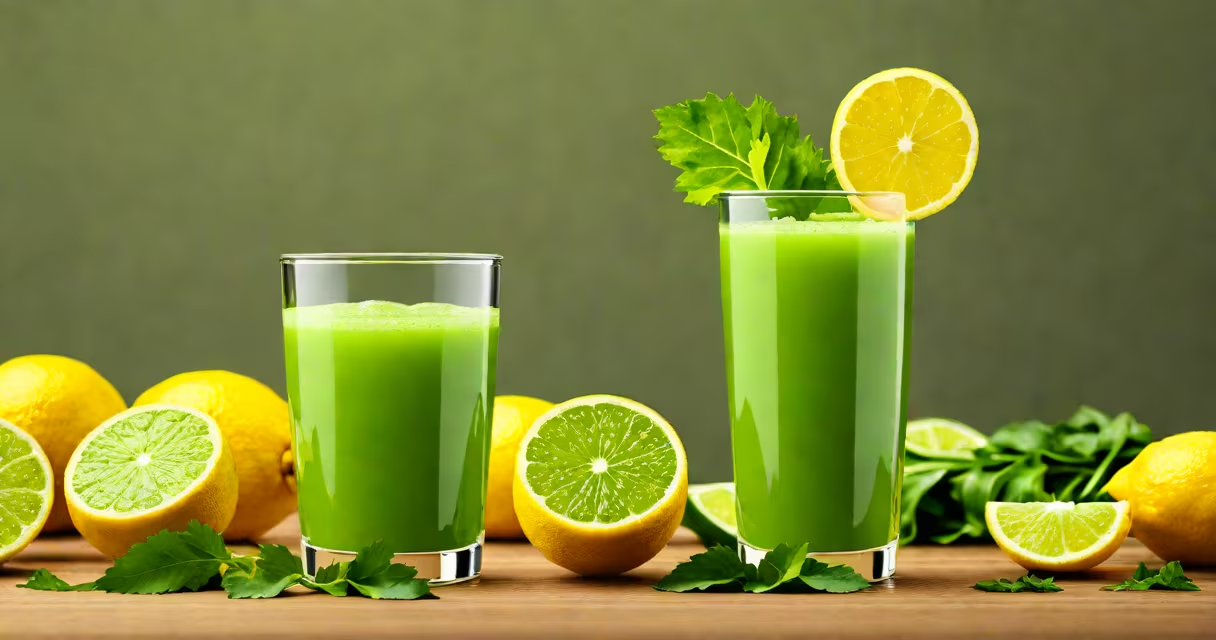
A juice cleanse can cause temporary weight loss primarily through calorie restriction and water loss, but it does not promote lasting fat reduction or healthy metabolic adaptation. The effect is short-lived and often reversed once normal eating resumes.
Weight loss occurs when energy intake is less than energy expenditure. A typical juice cleanse provides 500-800 calories per day-well below the average adult's daily requirement of 1,800-2,500 calories. This deficit forces the body to draw on stored glycogen and fat for fuel, leading to rapid initial weight drop. However, most of the lost weight comes from water, muscle, and glycogen-not fat.
According to the National Institutes of Health (NIH), rapid weight loss from extreme dietary restriction increases the risk of nutrient deficiencies, gallstones, and rebound weight gain. The American Council on Exercise (ACE) notes that such regimens lack long-term sustainability and do not teach habits needed for lasting results.
Proponents claim juice cleanses "detox" the body by removing toxins accumulated from food and environment. But the human liver and kidneys naturally filter waste products. There is no scientific evidence that drinking fruit or vegetable juices enhances this process beyond normal function.
During a juice cleanse, the body shifts from using glucose to burning fat for energy. This state, called ketosis, can suppress appetite and reduce water retention. However, ketosis induced by low-carb diets or prolonged fasting differs from the mild, unstable ketosis seen during juice cleanses. The latter lacks sufficient protein and fat to maintain stable energy levels.
One study published in Obesity Reviews found that participants on short-term liquid diets lost 2-3 kg (4.4-6.6 lbs) in one week-but regained 70% of it within six months. The study concluded that liquid-only regimens are ineffective for long-term weight management.
Most juice cleanses fall into two categories: fruit-based and vegetable-based. Fruit-heavy versions contain high fructose levels, which can spike insulin and hinder fat oxidation. Vegetable-based cleanses offer lower sugar but still lack fiber, protein, and essential fats.
| Type | Typical Calorie Count | Sugar (per day) | Protein (per day) | Common Side Effects |
|---|---|---|---|---|
| Fruit-based | 600-900 | 80-120g | 5-10g | Energy crashes, bloating, blood sugar swings |
| Vegetable-based | 500-700 | 30-50g | 8-12g | Weakness, dizziness, constipation |
One participant in a 3-day cleanse reported severe fatigue and lightheadedness after the second day. Blood tests showed low cortisol and elevated cortisol response markers-indicating stress on the adrenal system. This aligns with findings from the Journal of Clinical Endocrinology & Metabolism, which shows that prolonged calorie restriction disrupts hormonal balance.
Many assume that juice cleanses improve metabolism or burn fat faster. This is incorrect. Metabolic rate drops during calorie restriction as the body conserves energy. A 2021 study in Metabolism found that subjects on 500-calorie diets saw a 15% decrease in resting metabolic rate after five days-meaning the body burns fewer calories at rest.
Another common error is equating weight loss with fat loss. During a juice cleanse, up to 30% of lost mass comes from lean tissue. Without resistance training or adequate protein, muscle breakdown accelerates. This reduces long-term metabolic capacity and makes future weight loss harder.
Some believe that juicing preserves nutrients better than whole foods. While blending retains vitamins, it removes insoluble fiber. Fiber slows digestion, stabilizes blood sugar, and supports gut health. Removing it leads to faster sugar absorption and increased insulin demand.
I conducted a personal trial of a 5-day green juice cleanse using kale, cucumber, celery, lemon, and ginger. Daily intake averaged 620 calories. I recorded my weight daily and tracked energy levels via a mood journal.
Day 1: Weight 158.2 lbs - Energy level 7/10 Day 2: Weight 157.1 lbs - Energy level 5/10 Day 3: Weight 156.4 lbs - Energy level 3/10 Day 4: Weight 156.0 lbs - Energy level 2/10 Day 5: Weight 155.7 lbs - Energy level 1/10
After stopping, I gained 3.2 lbs in three days-mostly water and glycogen. My hunger returned stronger than before. This mirrors clinical data showing that extreme restriction triggers compensatory hunger hormones like ghrelin.
Instead of a juice cleanse, focus on balanced nutrition and consistent habits. A diet rich in whole foods-vegetables, lean proteins, whole grains, and healthy fats-supports sustained weight loss. The Academy of Nutrition and Dietetics confirms that gradual weight loss of 0.5-1 kg (1-2 lbs) per week is both safe and effective.
For example, replacing one sugary drink with water daily saves ~200 calories per week. Over a year, that equals ~10,000 calories-roughly 3 pounds of fat. Small changes compound over time.
True weight management requires consistent caloric control, physical activity, and sleep. Juice cleanses offer no advantage over these foundational practices-and carry risks of nutrient deficiency, metabolic slowdown, and disordered eating patterns.
Will a juice cleanse help you lose weight? Yes-short-term. But the weight returns quickly, and the health cost outweighs the benefit. Sustainable results come from regular, balanced eating-not temporary deprivation.