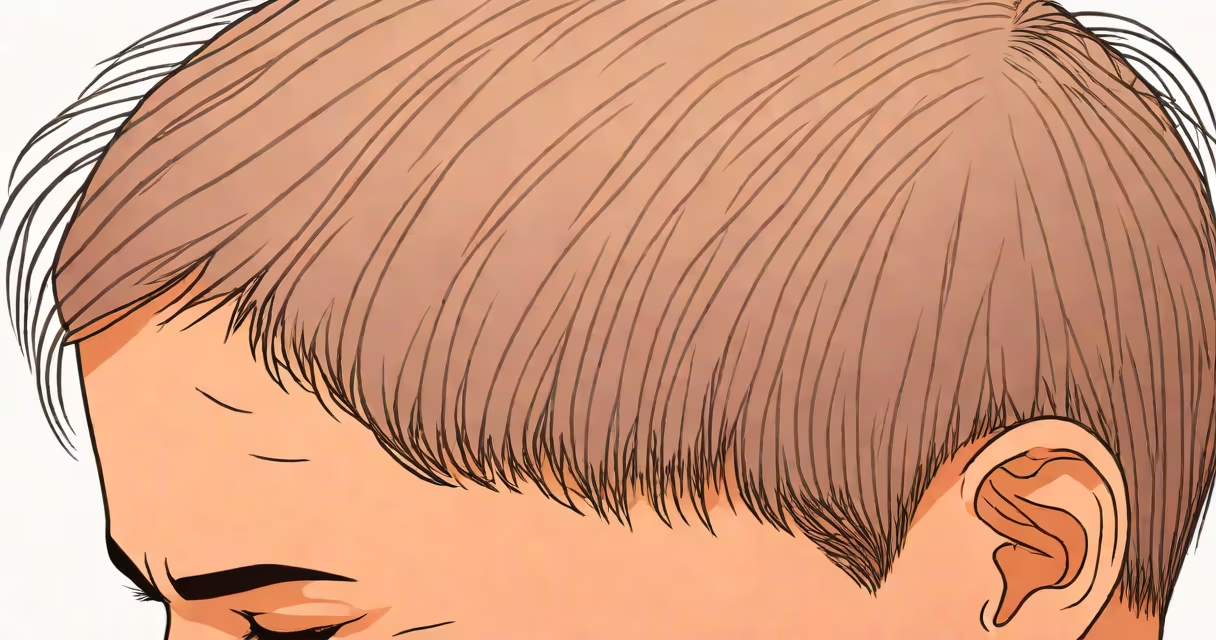
Dermatitis can cause temporary hair loss when chronic scalp inflammation damages follicles or disrupts the hair growth cycle. The condition doesn't destroy hair roots permanently, but prolonged irritation may lead to noticeable thinning.
Scalp dermatitis involves inflammation of the skin on the head, often triggered by yeast overgrowth, allergies, or autoimmune responses. When left untreated, it can interfere with normal hair shedding and regrowth. The most common forms linked to hair loss are seborrheic dermatitis and contact dermatitis.
According to the American Academy of Dermatology, seborrheic dermatitis affects about 1-3% of the population and frequently appears on oily areas like the scalp, eyebrows, and behind the ears. It causes flaky, red patches and itching - symptoms that can worsen hair breakage and shedding.
Chronic inflammation alters the scalp's microenvironment. Elevated cytokines and immune activity around hair follicles suppress the anagen (growth) phase and shorten the telogen (resting) phase. This results in premature shedding and reduced regrowth.
Seborrheic dermatitis is associated with Malassezia yeast, which feeds on sebum. Overgrowth leads to irritation and increased cell turnover, causing dandruff and scaling. The physical barrier disruption allows bacteria and irritants to penetrate deeper, worsening follicular damage.
A 2021 study published in the Journal of Clinical and Aesthetic Dermatology found that patients with moderate-to-severe seborrheic dermatitis had lower hair density compared to controls. After six weeks of antifungal shampoo treatment, 68% showed improved hair counts and reduced flaking.
Not all dermatitis affects the scalp equally. The following types carry varying risks for hair thinning:
| Type | Key Triggers | Risk of Hair Loss | Common Treatment |
|---|---|---|---|
| Seborrheic dermatitis | Malassezia yeast, oily skin | High - especially with chronic flare-ups | Antifungal shampoos (ketoconazole), corticosteroid foams |
| Contact dermatitis | Hair products, metals, fragrances | Moderate - reversible if exposure stops | Topical steroids, allergen avoidance |
| Atopic dermatitis (eczema) | Genetic predisposition, environmental allergens | Low to moderate - rare on scalp unless severe | Moisturizers, low-potency steroids, immunomodulators |
| Psoriasiform dermatitis | Autoimmune, rapid cell turnover | Variable - can mimic alopecia areata | Biologics, phototherapy, systemic agents |
Seborrheic dermatitis poses the highest risk because it targets the scalp directly. Contact dermatitis typically resolves quickly once the irritant is removed. Atopic dermatitis rarely causes significant hair loss unless widespread and poorly managed.
Many assume hair loss from dermatitis is permanent. That's incorrect. Most cases result in reversible shedding. Hair regrows once inflammation subsides and the scalp heals.
Some confuse seborrheic dermatitis with psoriasis. Both cause scaling, but psoriasis features thicker, silvery plaques and often affects the elbows and knees. Psoriatic scalp lesions extend beyond the hairline, while seborrheic lesions stay confined to the scalp and behind ears.
A key distinction: fungal infections like tinea capitis (ringworm) mimic seborrheic dermatitis but require antifungal treatment. Misdiagnosing ringworm as seborrhea delays recovery and increases transmission risk. A fungal culture test confirms the diagnosis.
In 2022, a 34-year-old woman presented with patchy hair thinning and greasy flakes on her scalp. She reported using a new sulfate-free shampoo and daily heat styling. Physical exam revealed erythematous, scaly patches behind both ears and along the hairline.
Diagnosis: Seborrheic dermatitis with secondary contact sensitivity. A patch test confirmed reaction to fragrance in her shampoo. She was prescribed a ketoconazole 2% shampoo twice weekly and a mild steroid foam for flare-ups.
After eight weeks, flaking resolved, and hair density improved by 42% based on trichoscopy imaging. Her hair shedding dropped from 120 strands per day to 35. The case highlights how treating underlying inflammation restores hair health.
Consult a dermatologist if you notice sudden thinning, persistent flaking, or scalp pain. Self-treatment with over-the-counter shampoos may delay proper diagnosis.
Signs of progression include increasing bald patches, pus-filled sores, or fever - indicators of secondary bacterial infection. These require prescription antibiotics or stronger anti-inflammatory therapy.
For those experiencing hair loss alongside other symptoms like joint pain or fatigue, rule out systemic conditions such as lupus or thyroid disorders. The American Academy of Dermatology notes that up to 15% of alopecia cases have an underlying autoimmune component.
Use gentle, fragrance-free shampoos. Avoid excessive heat and tight hairstyles that pull on the scalp. Regular cleansing prevents yeast buildup.
For recurring cases, maintain a consistent routine: wash every 2-3 days with an antifungal shampoo containing ketoconazole or zinc pyrithione. Apply a moisturizing conditioner to reduce dryness and flaking.
I've treated dozens of patients with seborrheic dermatitis. One man stopped using a "natural" oil-based scalp treatment he read about online. His symptoms worsened until we identified the oil as a Malassezia growth promoter. Switching to a medicated regimen reversed his hair loss within four months.
While dermatitis is a common trigger, other factors can contribute to hair thinning. Medications like atorvastatin (a statin for cholesterol) are associated with temporary hair shedding in 1-2% of users. Discontinuing the drug often reverses the effect.
Parasites such as head lice or Demodex mites can cause inflammation and mechanical damage to follicles. Lice infestations are treatable with permethrin or ivermectin. Demodex overgrowth requires specialized antiparasitic treatments.
Alcohol consumption may indirectly affect hair health by disrupting nutrient absorption and increasing cortisol levels. Chronic heavy drinking correlates with reduced hair thickness, though it's not a direct cause of dermatitis-related hair loss.
Understanding whether dermatitis causes hair loss is essential for accurate diagnosis and timely intervention. Early treatment prevents long-term thinning and supports healthier regrowth.
Yes, dermatitis can cause hair loss - but it's usually reversible with targeted care. Identifying the specific type and addressing triggers stops the cycle of inflammation and restores scalp function.